
Sources checked
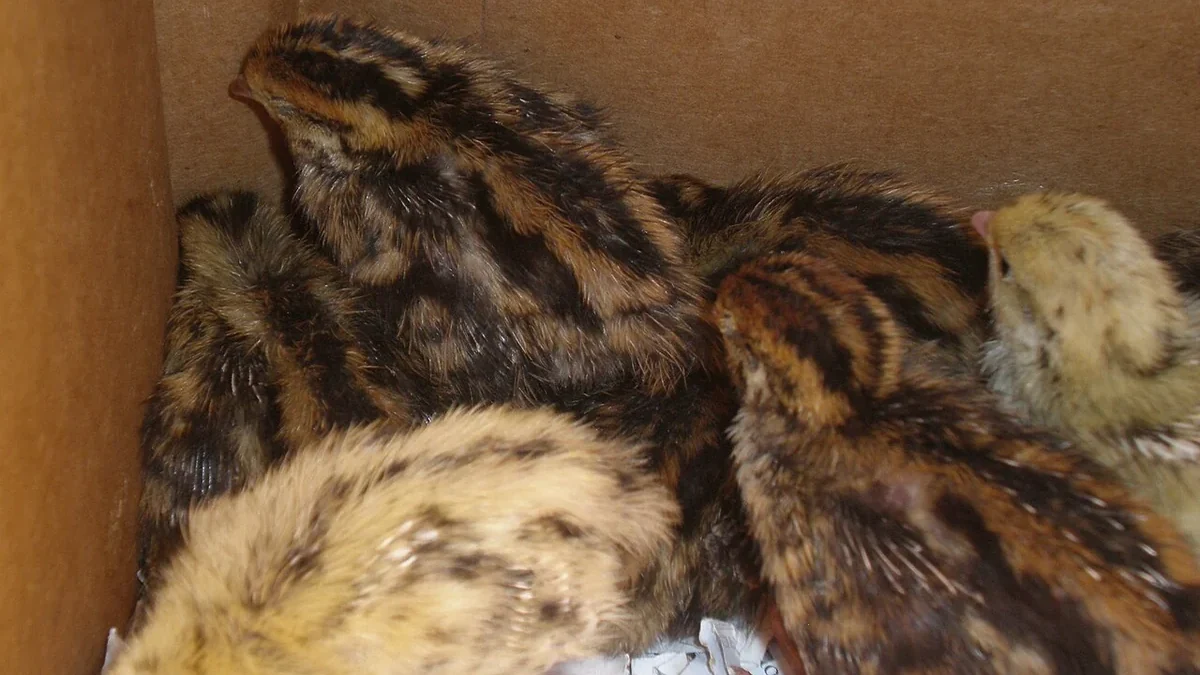

Know which birds you are acquiring
Quail guidance depends on species, life stage and purpose. Confirm source and identification before purchasing chicks or hatching eggs. Japanese or Coturnix quail are the focus of the linked extension management guide; do not assume its information applies to every quail species.
Prepare the brooder, suitable feed, water equipment and observation routine before arrival. Very small chicks can escape through gaps and encounter water or crowding hazards. Use appropriate species-specific design guidance rather than simply scaling down an improvised chicken setup.
A readiness checklist
| Area | What to establish |
|---|---|
| Environment | Suitable brooding conditions and a way to observe the chicks |
| Water | Equipment appropriate to the chicks’ size and needs |
| Feed | Species- and life-stage-appropriate product |
| Containment | Gaps and surfaces suitable for very small birds |
| Crowding | A layout that avoids problematic trapping or piling |
| Hygiene | Clean equipment and a separate care route |
| Next stage | Suitable housing and a responsible caregiver |
Use the exact heat-source instructions and appropriate electrical or installation guidance. Do not create a fire or ventilation hazard while improvising warmth.
Test equipment before the first day
A household inspects the empty brooder and finds gaps suitable for adult equipment but large enough for chicks to escape. It changes the enclosure and water arrangement before arrival, then checks that the planned caregiver can observe and service every area.
Record supplier information, arrival and life-stage guidance. Have appropriate contacts for a chick that behaves unusually or a equipment problem.
Plan the transition and future flock
Growth brings changing space, equipment and feeding needs. Have the adult arrangement ready and a plan for males or extra birds. Egg production and breeding involve different goals; hatching should not create birds without a care destination.
Read adult quail for eggs and the full quail guide. The useful starting scale is one the household can support through every stage, not just the first week.
Can adult quail equipment simply be reused for chicks?
Inspect it against the chicks’ actual size and needs. Openings, water access and surfaces suitable for larger birds may create hazards for very small chicks. Establish an appropriate brooding arrangement before arrival and keep the next-stage equipment ready as the birds grow.
Sources & further reading
Official guidance and original source material used for the factual points in this guide. Planning examples and worksheets are our own illustrations.
- Mississippi State University Extension: Quail Feeding Programs
- Cooperative Extension: Raising Japanese Quail in Small and Backyard Flocks
- RSPCA: Quail — Natural History and Housing Guidance
- USDA APHIS: Defend the Flock — Biosecurity Basics
- CDC: Backyard Poultry — Healthy Pets, Healthy People
Checked 8 October 2026. Location-specific rules, availability and product specifications can change. Suggest a correction.