
Sources checked
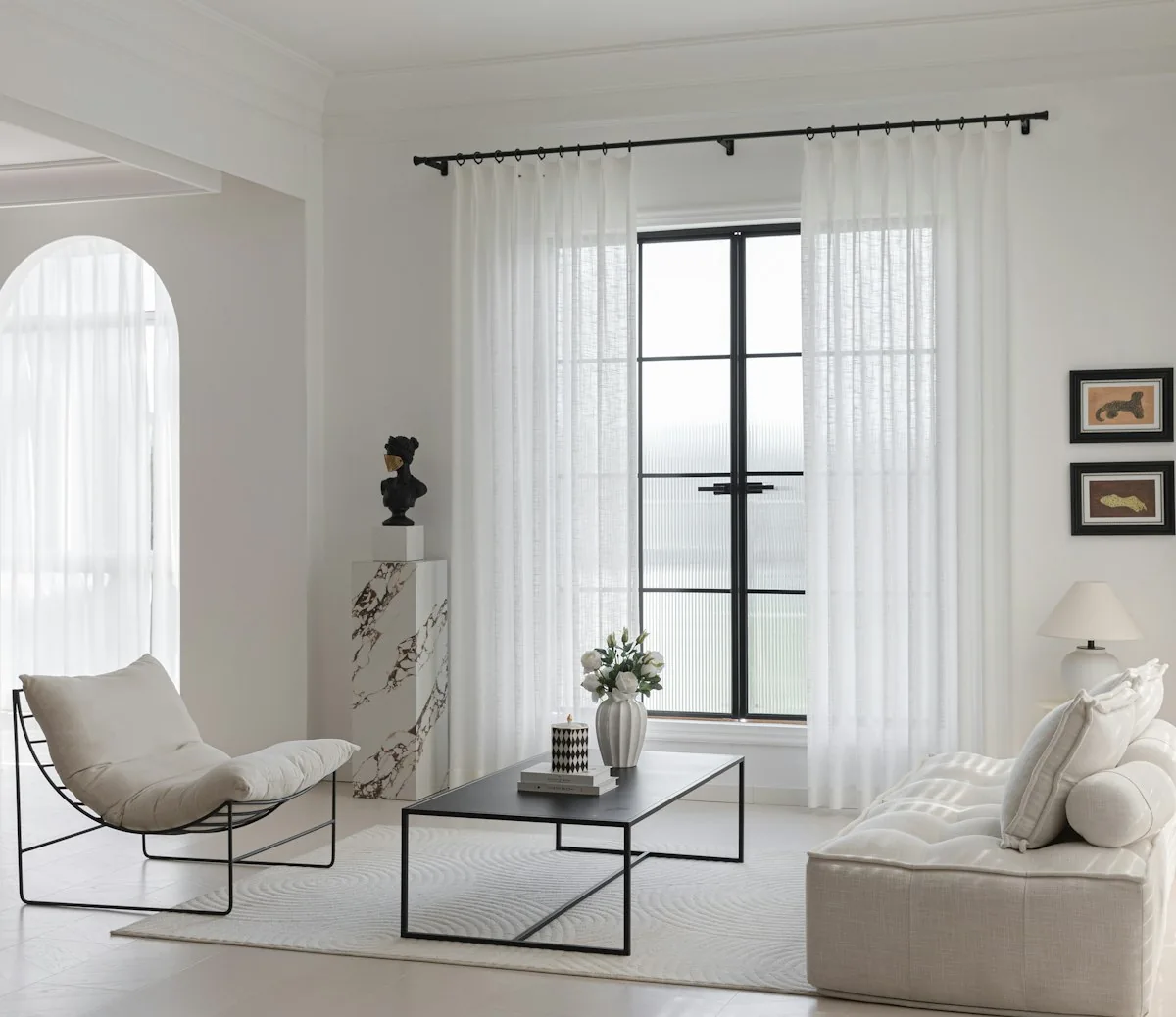
Minimalism begins with a purpose
Minimalist living is a deliberate approach to what you own and commit to. The useful aim is a home and routine that support your priorities without unnecessary cost, storage or upkeep. It can look different across households. A cook may keep a well-used kitchen; a musician may reserve space for instruments. Fewer possessions is a possible result, not the only measure.
Separate the approach from a particular look. White walls, matching containers and expensive replacements are optional. Using the things you already have may support a simpler life better than buying a new minimalist identity.
Decide what an item does for you
| Reason to keep | Example | Storage question |
|---|---|---|
| Regular use | A work tool or favorite pan | Can it be reached and returned easily? |
| Essential occasional need | Seasonal or safety equipment | Is it protected and identifiable? |
| Meaning or enjoyment | A valued collection or instrument | Does it have a realistic place? |
| Shared responsibility | Another person’s belongings | Have their choices and needs been respected? |
A possession can be useful without being beautiful, and meaningful without being used daily. Avoid forcing all categories through the same time-based rule.
Try a small practical change
A household clears one work surface and gives its daily items convenient homes. It observes whether setup and cleanup become easier. It does not replace all the furniture or empty every cupboard to prove commitment.
Begin with a source of recurring friction: a crowded entry, duplicate supplies or a task that requires moving many objects. Finish the removal or relocation process so the decision does not become a donation pile in another room.
Measure whether life works better
Review ease of use, spending, storage and the time needed to reset the space. Preserve necessary backups, health-related equipment and other people’s belongings. Choose limits that can survive an ordinary busy week.
The starting guide provides a practical path, and decision questions help with uncertain items. Minimalist living is useful when the choices serve your life, rather than when the room resembles a photograph.
Sources & further reading
Official guidance and original source material used for the factual points in this guide. Planning examples and worksheets are our own illustrations.
Checked 8 October 2026. Location-specific rules, availability and product specifications can change. Suggest a correction.