
Sources checked
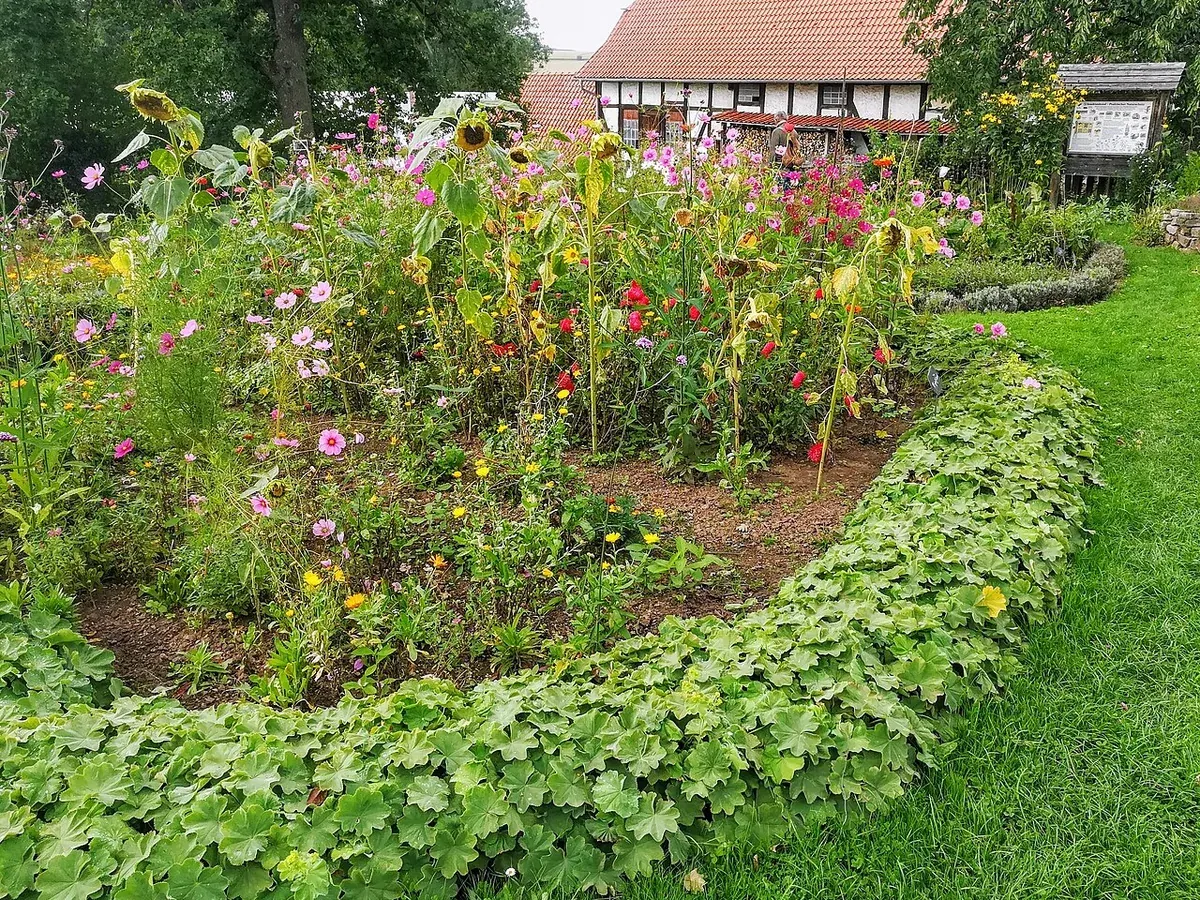

Give the informal planting a clear framework
A cottage garden can look relaxed while still having a deliberate structure. Begin with the entrance, paths, sitting area and views from the home. Keep doors, windows, ventilation outlets and utility access clear. Then choose plants for your region, soil, sunlight and available maintenance time. A small home benefits from a garden that supports everyday use as well as appearance.
Make a rough site plan and observe the light at several times of day. Consider mature growth near siding, steps and roof drainage. Do not place a tree or vigorous shrub where its eventual size will overwhelm the house or block repair access.
Build layers with a purpose
| Layer | Useful role | What to check |
|---|---|---|
| Structure | A small suitable shrub, trellis or repeated perennial group | Mature height, root needs and clearance from the home. |
| Seasonal color | Locally adapted flowering perennials and annuals | Bloom sequence, water needs and maintenance. |
| Edible edge | Reachable herbs or selected vegetables | Food-safe access and suitable sunlight. |
| Ground protection | Suitable groundcover or mulch | Spread, competition and ease of weeding. |
| Pollinator habitat | Regionally appropriate flowering plants | Bloom through the season and pesticide choices. |
Select a manageable palette and repeat it. A garden made from one of every attractive nursery plant can be harder to water, identify and maintain.
Plan flowers through the season
Choose several locally appropriate plants that flower at different times, and group plants with compatible water needs. Include regionally suitable native plants where they fit the site and purpose. Different flower shapes can serve different visitors, but avoid claiming that any one flower will solve every pollination or pest issue. Use local guidance to avoid invasive species.
Keep a small record of bloom dates and observed insects. That information helps reveal a gap in flowering or a plant that is poorly adapted. Avoid broad, unnecessary pesticide use; identify the problem and follow product instructions when intervention is required.
A small-front-yard example
Imagine a short path from a gate to a tiny home. Keep the path clear at mature plant size. Place a repeated group of suitable low perennials beside it, a limited taller flowering group farther from the edge and a separate herb container near the kitchen entrance. Leave space to inspect the wall and manage drainage. This is a layout method, not a fixed plant list for every region.
Before buying plants, mark their mature footprint on the ground with temporary markers. Walk the route carrying a bag and imagine wet foliage leaning into it. Adjust the planting boundary while changes are easy.
Make maintenance part of the design
Reserve room to kneel, weed, prune and carry mulch. Keep hose access practical and separate plants needing regular irrigation from those preferring drier conditions. Apply mulch appropriately without piling it against stems or the building. Plant spacing should allow mature growth; an instant dense display can become a crowded bed that requires constant cutting back.
- Review local winter hardiness and summer conditions before buying.
- Label young perennials while they are still easy to confuse.
- Remove invasive or unwanted seedlings promptly.
- Inspect supports and ties before storms.
- Record plants that require more work than their value to you.
- Keep a realistic budget for replacement, water and maintenance.
Set useful boundaries near animals and food
Protect edible herbs and vegetables from poultry access, dirty runoff and fresh manure. Chickens may scratch and damage plants, and animal feces do not belong in a ready-to-harvest food bed. Keep tools used for animal cleaning separate from kitchen-garden harvesting tools. If children or pets use the space, select plants and placements with their contact in mind and confirm plant identity before allowing edible use.
One practical next step
Photograph the bed once each season from the same viewpoint. Compare mature size, path clearance and gaps in bloom before buying replacements. A plant that looks small at installation may already occupy the space you were about to fill. Use the photographs to simplify the planting rather than adding another variety by habit.
Cottage garden questions and mistakes
Does informal mean no pruning or weeding? No; the style still needs a routine. Must I use traditional cottage flowers? Choose locally adapted plants that create the shape and seasonal interest you want. Can I mix vegetables with flowers? Yes when light, water, mature spacing and food handling fit. What causes small gardens to become difficult? Crowding, blocked paths, vigorous spreaders and too many incompatible watering needs.
Sources & further reading
Official guidance and original source material used for the factual points in this guide. Planning examples and worksheets are our own illustrations.
- Colorado State University Extension: Creating Pollinator Habitat
- University of Maryland Extension: Care of Herbs and Starting Herbs from Seed
- University of Maryland Extension: How to Start a Vegetable Garden
- University of Maryland Extension: Growing Vegetables in Containers and Salad Tables
Checked 8 October 2026. Location-specific rules, availability and product specifications can change. Suggest a correction.