
Sources checked
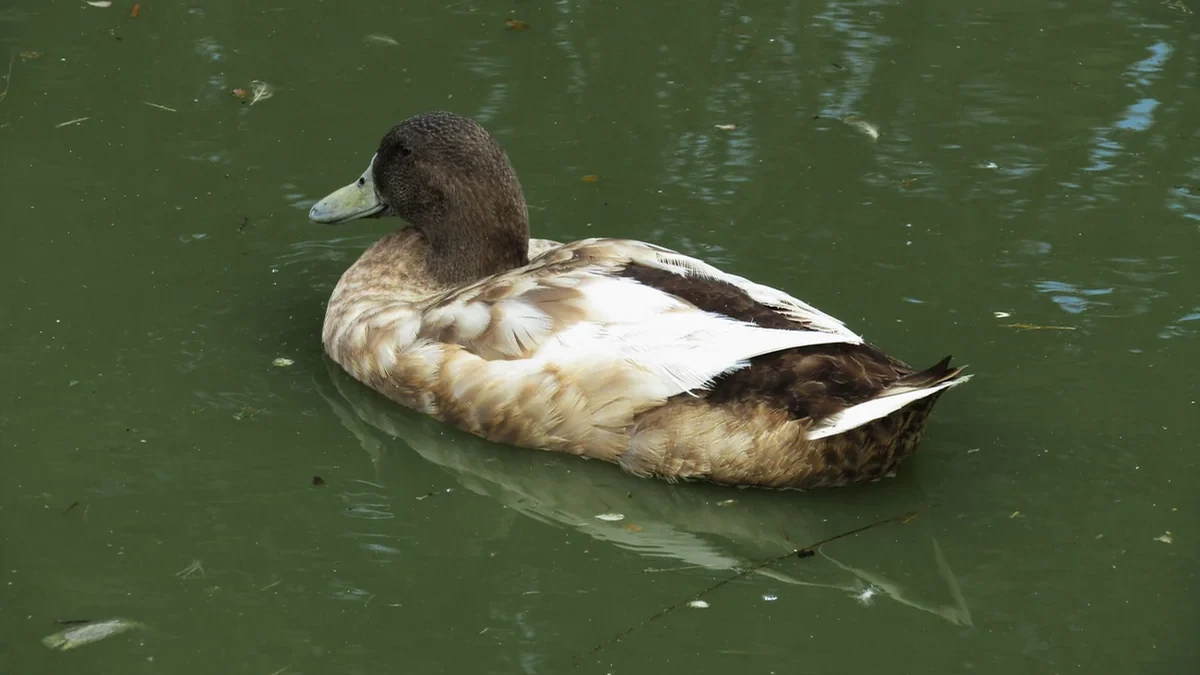

Choose around the complete duck routine
Egg-focused duck breeds or lines can be useful where the property and household can meet their care needs. The extension selection source identifies different purposes among domestic ducks. Khaki Campbell and Indian Runner are options to investigate for laying, alongside other egg-oriented lines offered by reliable sources.
Do not use an advertised annual count as a guarantee. Ask for actual source and line information, and compare age, climate, housing, feed and management. Females can lay without a male; breeding and fertile eggs are separate decisions.
A laying-flock comparison
| Option or decision | What to investigate |
|---|---|
| Khaki Campbell | Source, line and egg-focused management information |
| Indian Runner | Line, behavior and housing fit |
| Other laying hybrids or varieties | Exact source information rather than a generic breed claim |
| Flock size | Household egg demand plus housing and care capacity |
| Feed | A species- and production-appropriate complete diet |
| Water and ground | Suitable access, drainage and litter management |
Ducks create a different water and ground-management task from chickens. Plan the arrangement using duck guidance rather than copying a chicken enclosure.
Use an egg-demand scenario
If a household uses 20 eggs weekly and tests an assumption of four usable eggs per female per week, the arithmetic suggests five females. That is an example demand calculation, not a breed promise. Review lower-output periods and the complete care capacity before choosing a flock.
Plan suitable egg collection, handling and storage. Any sale or wider distribution introduces additional local questions.
Review the enterprise after ordinary use
Record feed, bedding, water-management work, health costs and actual usable eggs. Compare the result with the household’s aims rather than maintaining a flock solely to meet a promised production number. Have suitable backup care for daily tasks.
Read the full duck guide and meat-oriented choices. Pick a flock that suits the goal and the property’s ability to manage water, feed and care.
Should egg color decide the flock?
Treat appearance as a preference after care and household fit. Compare the actual line, source, species needs, water arrangement and use of the eggs. A visually appealing flock can still be a poor match if the property cannot manage wet ground or dependable daily care.
Sources & further reading
Official guidance and original source material used for the factual points in this guide. Planning examples and worksheets are our own illustrations.
- Cooperative Extension: Selecting a Duck Breed for Small or Backyard Poultry Flocks
- Cooperative Extension: Feeding Ducks Intended for Consumption
- Cooperative Extension: Feeding Ducks for Egg Production in Small Flocks
- Agriculture Victoria: Farmed Bird Welfare Science Review
- RSPCA: Indoor Housing for Pet Geese and Ducks
- USDA APHIS: Defend the Flock — Biosecurity Basics
- CDC: Backyard Poultry — Healthy Pets, Healthy People
Checked 8 October 2026. Location-specific rules, availability and product specifications can change. Suggest a correction.