
Sources checked
Understand The Package
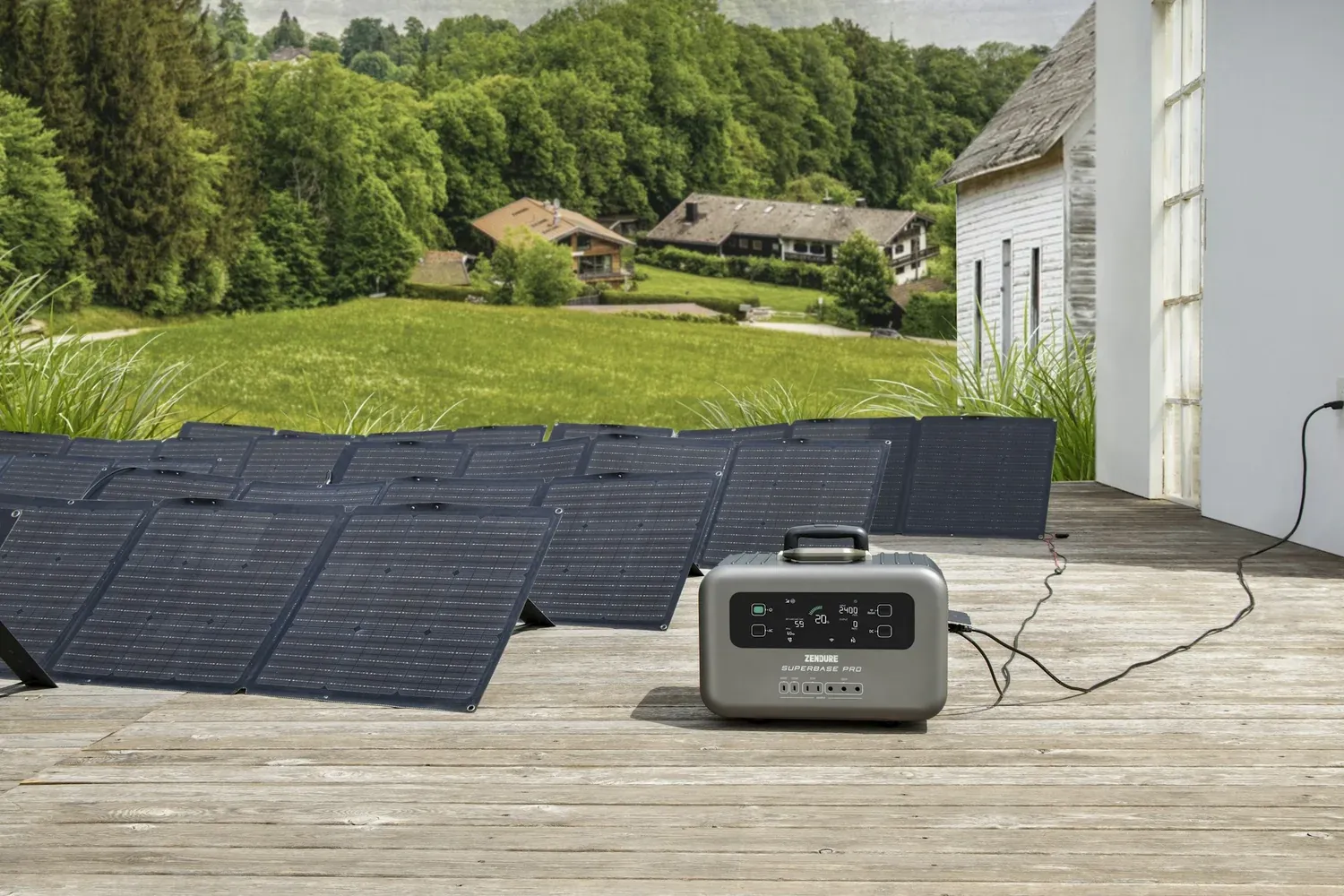
A product sold as a solar generator commonly combines a portable battery power station with solar charging equipment. Check what is actually included: panels, cables, adapters and expansion batteries may be separate. Read the current manual for the exact model and market before comparing units. A product photo does not establish that its pictured accessories come in the box.
Define its job first. Charging phones on a trip, running selected loads during an interruption and powering a permanent home are different proposals. Keep the required appliances, operating hours and fallback arrangements beside that definition. This guide compares the decision, without ranking products or assuming a current price.
Keep The Ratings Separate
| Rating | Question It Answers | What To Check |
|---|---|---|
| Battery capacity in Wh | How much energy is nominally stored? | Usable energy, operating conditions and conversion losses. |
| Continuous AC output in W | What ongoing load can the inverter supply? | Combined demand of loads used together. |
| Starting or surge capability | Can it handle a short starting demand? | The exact load and the maker’s limits. |
| Solar input limits | Which panels and arrangements can charge it? | Voltage, current, power, connectors and the manual. |
| Recharge arrangements | How will energy be replaced? | The planned source and realistic operating conditions. |
Do not compare a large output-watt figure with battery watt-hours as though they measure the same thing. Manufacturer manuals can specify solar voltage and current limits independently of headline power. A compatible-looking connector is not enough to establish a safe panel combination.
Calculate A Simple Load Budget
Illustrative example: a 20 W router used for eight hours needs 160 Wh. A 10 W light used for five hours needs 50 Wh. The listed loads therefore require 210 Wh before conversion losses, the power station’s own consumption and other loads. These are invented inputs to demonstrate watts multiplied by time, not measured appliance performance.
Start with your own measured loads and operating hours. If a proposed unit advertises 500 Wh, dividing that figure by 210 Wh does not promise a little over two days of service. Nominal capacity, usable output and the complete energy budget differ. Test the loads and allow for conditions documented by the manufacturer.
Plan Recharge For The Difficult Day
Identify a realistic panel location, available sunlight, weather exposure and a way to secure and store the equipment. A panel’s rated power is not a guarantee of that output throughout the day. Use local conditions and actual observations to evaluate how much charging is available when you need it.
Write down what happens after several poor charging days. For a household system, identify which loads are essential, which can pause and what approved backup can restore service. For a portable trial, record energy used and restored over several days before increasing the responsibility placed on the unit.
Use The Equipment Within Its Design
Follow the manual for ventilation, environment, charging, cables and storage. Do not improvise connections from a portable station into household wiring; have any fixed electrical arrangement designed and installed through the applicable approval process. Keep instructions for the exact model available with the equipment.
Compare the complete package: required accessories, replacement and repair support, handling weight, setup effort and the job it can reliably perform. A modest unit that covers a clearly defined task can be more useful than a bigger purchase whose limitations are never tested. Revisit the load list whenever appliances or household routines change.
Sources & further reading
Official guidance and original source material used for the factual points in this guide. Planning examples and worksheets are our own illustrations.
- Virginia Cooperative Extension: Estimating Appliance Energy Use — Use measured current loads; the arithmetic is useful, but historical appliance examples and electricity rates are not current recommendations.
- EcoFlow: DELTA 3 Manufacturer Manual — Example of separate solar voltage/current limits, not a product recommendation or specifications for every market. Official indexed manual checked.
Checked 8 October 2026. Location-specific rules, availability and product specifications can change. Suggest a correction.