
Sources checked

Start with a capacity plan
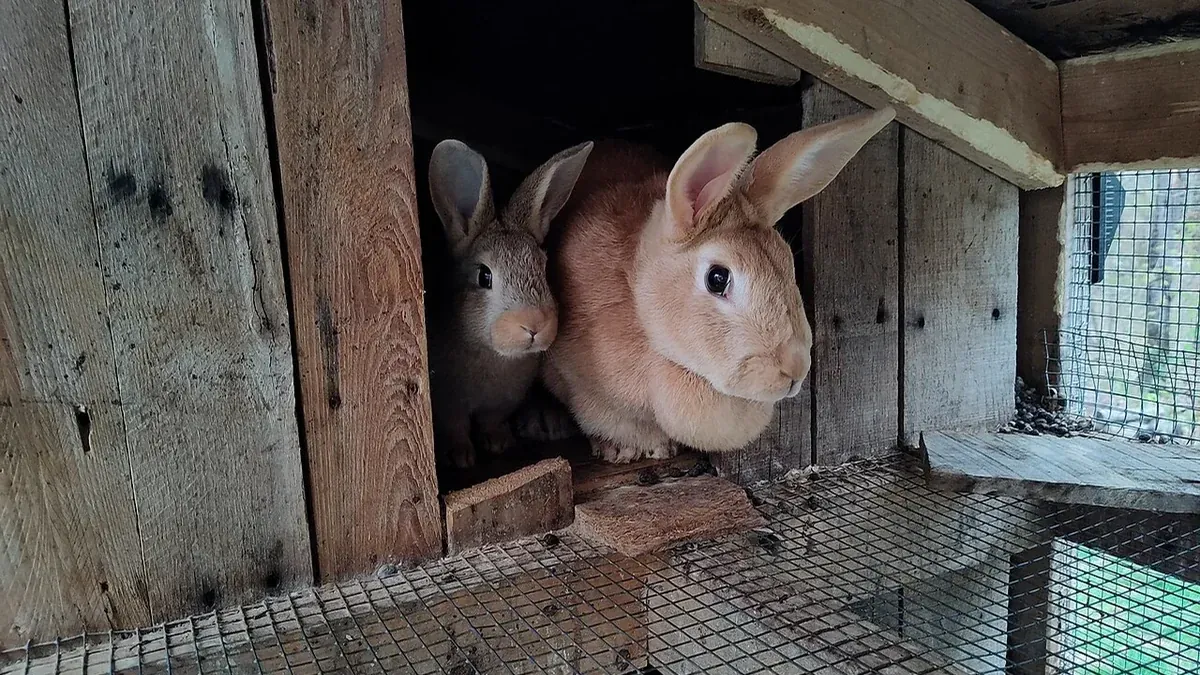
A meat-rabbit project begins with housing, daily care, veterinary access and a responsible final-use plan. Breeding creates a rapid increase in animals; do not start because rabbits are advertised as effortless or profitable. Check local keeping and processing requirements and arrange humane processing and food handling before mating. If producing for others, additional sale and inspection questions may apply.
Decide how many adults and growing kits you can care for during your busiest period. Include isolation, emergency housing, heat management and a backup carer. A small initial purchase does not mean a small workload after litters arrive.
Choose stock for health and your purpose
| Decision | What to ask | Why it matters |
|---|---|---|
| Source | Health history, parent performance and relatedness | Unknown stock makes breeding and disease planning harder. |
| Breed or line | Mature size, growth and suitability for the intended product | Large appearance alone does not prove useful meat performance. |
| Breeding readiness | Age, size, body condition and health | A calendar alone cannot establish readiness. |
| Temperament and handling | Normal behavior and safe inspection routine | Daily checks need to be practical without unnecessary stress. |
| Records | Identification, matings, litters and outcomes | You need to trace performance and avoid careless repeat breeding. |
Build housing that supports normal care
Provide secure shelter, appropriate space for movement and resting, shade, ventilation and protection from rain, wind and predators. Give comfortable footing and a suitable resting surface rather than assuming wire alone meets every need. Housing must allow inspection, cleaning and access to feed and water. Keep sharp edges and unstable fittings out of the enclosure.
Heat can seriously affect rabbits and reproductive performance. Monitor conditions inside the housing, not just the outdoor forecast. Use shade and ventilation and have a practical extreme-weather plan. Do not seal the enclosure so tightly against cold that moisture and stale air become another problem. Plan social housing and any required separation with suitable rabbit-experienced advice; unmanaged mixing can lead to fighting or accidental breeding.
Use a stable balanced diet
Provide a suitable complete rabbit feeding program for age and breeding stage, with high-quality hay or other fiber management as advised and clean water at all times. Confirm the ration with a reliable supplier or veterinarian. Lactation, growing kits and adult maintenance are different nutritional demands.
Make diet changes gradually under suitable guidance. Do not replace a balanced program abruptly with garden weeds or scraps. Identify plants, avoid mold and chemical contamination, and keep feed dry. Check that water bottles, nipples or crocks actually deliver water; an apparently full container does not prove every rabbit can drink.
Mating, nesting and the first litter
Breed only healthy mature animals in suitable condition. Keep a supervised mating and record the date and both animals’ identities. Do not leave unfamiliar adults together unattended. Rabbit gestation is commonly about 30–31 days, with variation; use a reliable rabbit-specific schedule and prepare a suitable clean nest box and bedding before the expected birth.
Inspect the doe and nest gently, noting live kits, losses, bedding condition and whether kits appear warm and nourished. A doe does not need to remain in the nest continually to be caring for her litter. If she is ill, kits are cold or development seems abnormal, seek rabbit-experienced veterinary help rather than attempting an improvised feeding program.
Do not use a fixed intensive rebreeding calendar
Commercial schedules are designed around specific systems and should not become an automatic beginner rule. Assess the doe’s health, body condition, litter development, climate and your available housing before another mating. Delay breeding during unsuitable conditions or when recovery and capacity are uncertain. Have an appropriate weaning and sex-separation plan to prevent unintended litters as young rabbits mature.
For an illustrative first project with one doe, budget for the actual litter rather than assuming a promised number of kits. If six kits survive, you need safe growing accommodation, feed, water, records and a final-use plan for six additional rabbits as well as the doe. If another litter would exceed that capacity, pause breeding.
Health, biosecurity and records
- Observe appetite, droppings, movement and breathing every day.
- Contact a veterinarian promptly for reduced eating, reduced droppings or other illness.
- Use an isolation plan for new or sick animals.
- Protect feed from pests and prevent contact with wild rabbits.
- Ask the veterinarian about locally relevant disease prevention, including RHDV2.
- Record matings, births, survival, growth, treatments and costs.
Rabbit hemorrhagic disease virus type 2 can affect domestic and wild rabbits and can spread through infected animals or contaminated materials. Follow current animal-health advice for your location. Keep manure handling separate from ready-to-harvest vegetables; manure is not automatically pathogen-free.
Rabbit questions and mistakes
How often should I breed? Use condition, welfare and capacity rather than one universal interval. Can rabbits live on garden scraps? Do not assume scraps provide a complete stable diet. Will rabbits automatically save money? Count feed, housing, health, losses and processing. What commonly fails? Unplanned litters, inadequate heat management, abrupt feed changes, unreliable water and breeding before the kits’ care and final use are arranged.
Sources & further reading
Official guidance and original source material used for the factual points in this guide. Planning examples and worksheets are our own illustrations.
- University of Maine Cooperative Extension: Backyard Production of Meat Rabbits in Maine
- Utah State University Extension: Rabbit Breeding and Management — A Guide for Producers
- RSPCA: Creating a Good Home for Rabbits
- USDA APHIS: Rabbit Hemorrhagic Disease Virus Type 2
Checked 8 October 2026. Location-specific rules, availability and product specifications can change. Suggest a correction.