
Sources checked
Choose a rule because it helps
A household rule is useful when it reduces a recurring problem. A clear landing place for keys, a spending pause or a limit based on actual storage can simplify decisions. A rigid item count can create unnecessary replacement purchases or make essential occasional equipment harder to keep. Begin with the problem and write the rule in plain language.
Agree on shared-space rules with the people affected. A personal preference does not authorize discarding someone else’s possessions. Keep exceptions visible for health, safety, seasonal use, work and other real needs.
Examples you can adapt
| Problem | Possible rule | Useful exception |
|---|---|---|
| Duplicate buying | Check the category before purchasing | Urgent replacement of a failed essential |
| Crowded entry | Daily departure items return to one place | Equipment drying after use |
| Overflowing storage | A category fits its assigned accessible space | A planned temporary guest or seasonal need |
| Unfinished outgoing piles | Use a scheduled removal route | Items needing a specialist disposal method |
| Impulse subscriptions | Review recurring charges at a chosen interval | A service required for work or care |
Rules should describe behavior rather than punish ordinary use. “Return tools after the task” is more workable than requiring a room to look unused.
Test the rule with a realistic week
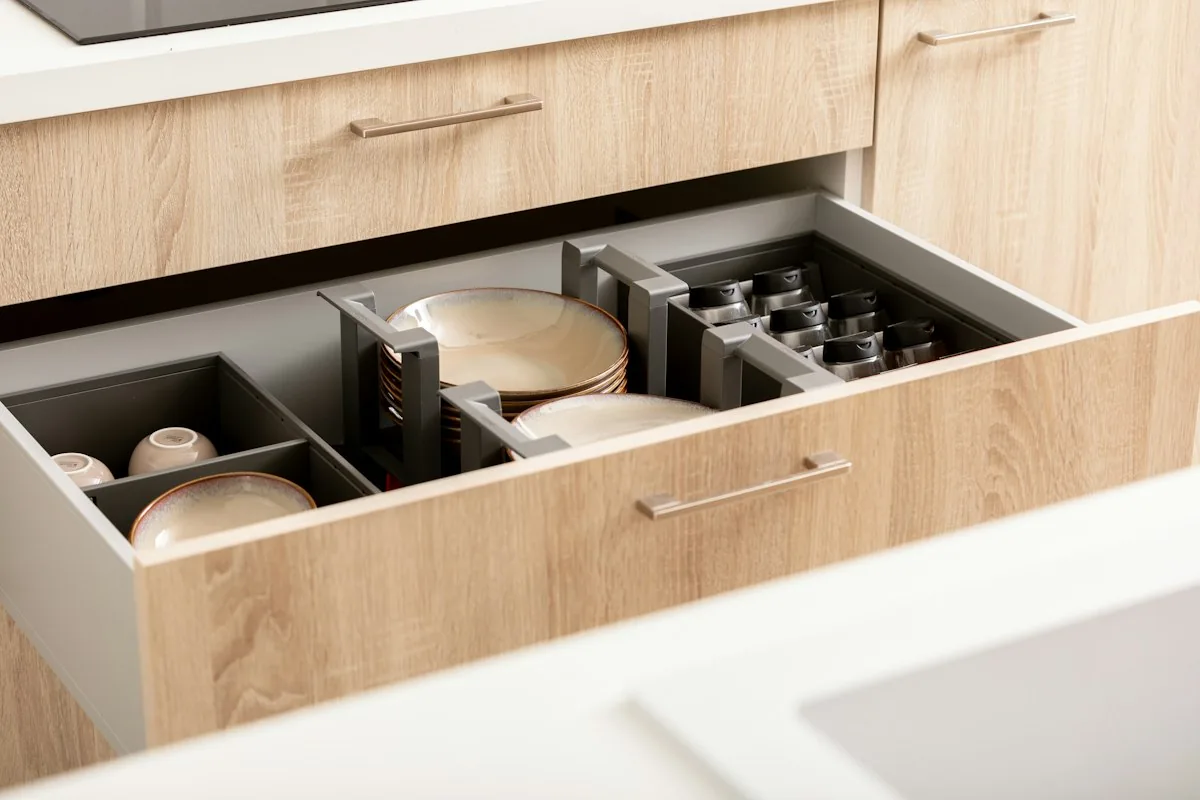
A household tries a shelf limit for everyday mugs, while storing a clearly needed guest set separately. It records whether washing and serving still work. The aim is accessible storage, not minimizing a number at any cost.
Notice whether a rule shifts work to another person or creates constant negotiation. If maintaining it becomes more effort than the original problem, revise the rule. Give the change enough ordinary use to evaluate it.
Review after a change in circumstances
New work, mobility needs, children, guests or a move can change what the home must support. Revisit limits instead of treating an old decision as permanent. Use a small number of useful rules that people can remember.
Named methods such as the 90/90 rule and 20/20 rule are decision prompts with important exceptions. Choose the approach that helps your household and keep the outcome—usable space, less waste or clearer decisions—visible.
Sources & further reading
Official guidance and original source material used for the factual points in this guide. Planning examples and worksheets are our own illustrations.
- EPA: What You Can Do
- Marie Kondo: About the KonMari Method
- The Minimalists: 90/90 Minimalism Rule
- The Minimalists: Getting Rid of Just-in-Case Items
- EPA: Household Hazardous Waste
Checked 8 October 2026. Location-specific rules, availability and product specifications can change. Suggest a correction.