
Sources checked
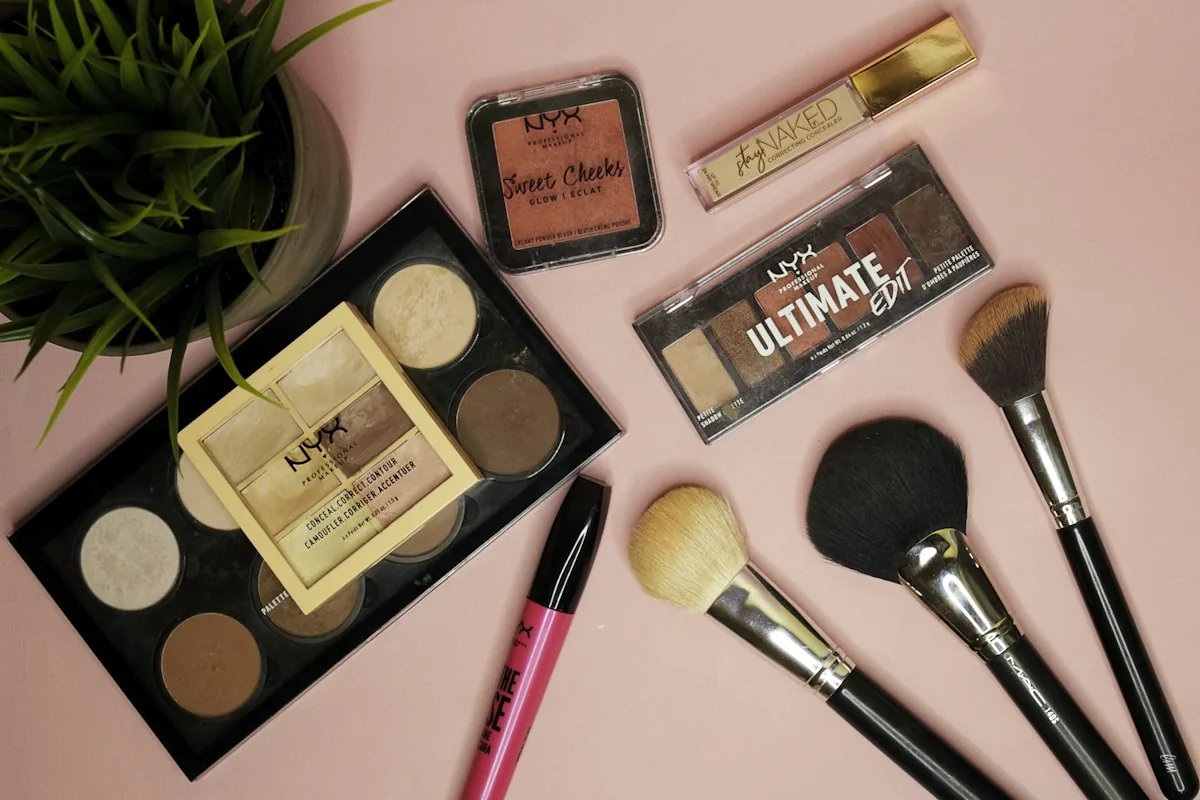
Begin with the product information
Gather a manageable cosmetic category and check labels, instructions, opening information and condition. The FDA explains that shelf life depends on the product, storage and use, and that U.S. cosmetic products do not generally need a printed expiration date. A universal internet chart is not a reliable replacement for the manufacturer’s guidance.
Eye-area products, contamination and changes in the product deserve particular attention. Do not share cosmetics as a way to use up a questionable item. If a product causes irritation or another concerning reaction, stop using it and seek appropriate guidance.
Use a small inventory
| Record | Purpose |
|---|---|
| Product and shade | Notice realistic use and duplication |
| Opening date or available product guidance | Assess against the instructions |
| Condition and storage history | Identify concerns rather than judging only volume remaining |
| Current routine | Keep the items actually used |
| Outgoing route | Check local packaging, disposal and recipient policies |
Separate unopened suitable products from used or questionable products. Donation organizations have their own rules; check before offering cosmetics.
Simplify purchases through actual use
Someone routinely uses a small set of products but owns several similar shades. They keep suitable products for the real routine and stop buying duplicates while those are in use. They do not keep an old or questionable item merely because it was expensive.
A spending pause can be more useful than replacing everything with a coordinated set. Observe what is actually finished before choosing future quantities.
Store for use and suitable conditions
Follow the product’s storage instructions and keep caps, applicators and packaging appropriately maintained. Give the retained set a convenient place without blocking the bathroom’s daily tasks. Record opening dates for future purchases when relevant.
Check local packaging and disposal rules and avoid pouring products into drains without a suitable instruction. Continue with the bathroom guide for toiletries and medicines, which require their own decision and disposal routes.
Should unused products be kept because they were expensive?
Price is already spent and does not establish present suitability or use. Check the manufacturer’s guidance and the condition, then decide whether the product belongs in your actual routine. Do not give a questionable used product to someone else as an alternative to disposal.
Sources & further reading
Official guidance and original source material used for the factual points in this guide. Planning examples and worksheets are our own illustrations.
- FDA: Shelf Life and Expiration Dating of Cosmetics
- FDA: Where and How to Dispose of Unused Medicines
- EPA: Household Hazardous Waste
- FoodSafety.gov: Four Steps to Food Safety
Checked 8 October 2026. Location-specific rules, availability and product specifications can change. Suggest a correction.