
Sources checked
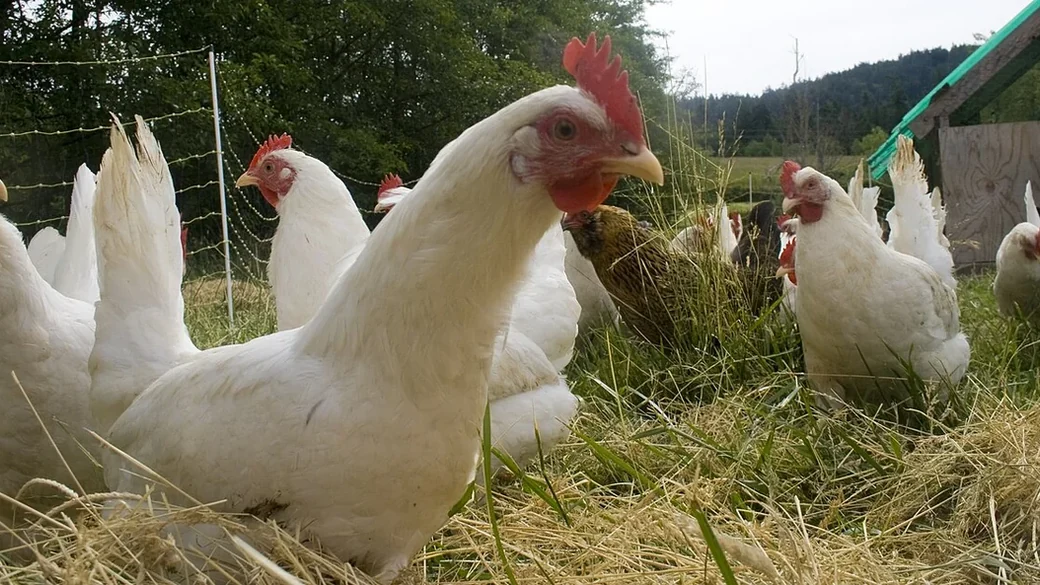

Acreage does not determine flock capacity
A acre figure alone cannot establish how many chickens a property can support. Usable housing, outdoor space, ground condition, climate, predator protection, water, complete feed, manure management and local limits all matter. Rotational pasture management adds further questions about recovery and vegetation. Avoid treating a geometric area calculation as a care recommendation.
Measure the actual indoor and outdoor areas available to birds. Subtract structures and unusable space where appropriate. Obtain the applicable allowances from suitable local and husbandry guidance, then compare the results with permission and practical care capacity.
The arithmetic behind the worksheet
| Input | Calculation | What it does not prove |
|---|---|---|
| Indoor area | Usable area ÷ chosen allowance per bird | Ventilation, access or appropriate design |
| Outdoor run | Usable area ÷ chosen allowance per bird | Pasture health or predator protection |
| Local limit | Apply any permitted number | That the home and care plan are ready |
| Care capacity | Review water, feed, cleaning and backup help | An acreage figure alone cannot supply it |
Round area arithmetic down to whole birds and use the smallest relevant limit as a starting check. Husbandry and welfare can require a smaller flock.
A stated-assumption example
For illustration only, 80 square feet of indoor space divided by an entered allowance of 4 gives 20 birds. An outdoor run of 120 square feet divided by an entered allowance of 10 gives 12. A permitted limit of 6 makes 6 the smallest entered limit. Those chosen allowances are example inputs, not universal standards.
Open the interactive flock-space worksheet to use your measurements and guidance. It leaves the per-bird allowances to you rather than presenting one stocking number for every property.
Plan how the ground will be maintained
Review drainage, mud, shade, vegetation, parasite and disease management, and how areas can recover if birds rotate. Feed and water remain necessary; an acre of vegetation is not a complete formulated diet.
Read coop and garden design and feeding. Capacity is a whole-system decision that should be revisited as the flock, season or usable ground changes.
Sources & further reading
Official guidance and original source material used for the factual points in this guide. Planning examples and worksheets are our own illustrations.
- University of Minnesota Extension: Raising chickens for eggs
- University of Minnesota Extension: Raising layer chicks and pullets
- CDC: Backyard Poultry — Healthy Pets, Healthy People
- USDA APHIS: Defend the Flock — Biosecurity Basics
- USDA APHIS: Defend the Flock
- University of Maryland Extension: Growing Vegetables in Raised Beds
Checked 8 October 2026. Location-specific rules, availability and product specifications can change. Suggest a correction.