
Sources checked
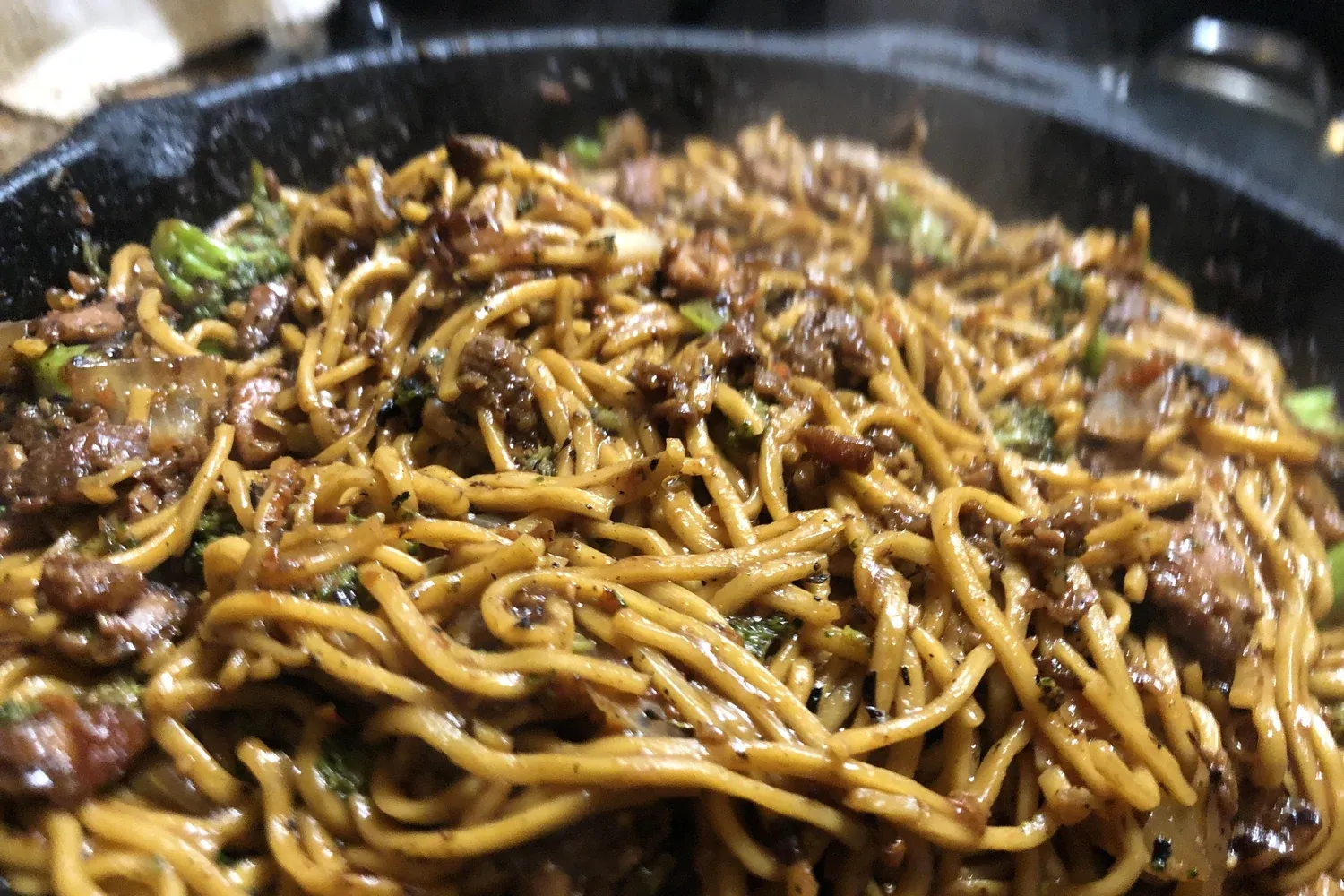

Choose A Meal Before Choosing More Equipment
Start with something you already cook and a skillet that suits the portion. Check that the pan sits properly on the appliance and that you can move it when full. Reserve a stable place for hot cookware before you begin. In a compact kitchen, the awkward moment is often carrying a heavy pan past an open cupboard or another person.
Lay out the ingredients, utensils, plates and cleanup supplies. If the only counter is also the landing place for a hot pan, prepare food first and clear that space before heating. This small sequence can make an existing kitchen more usable without adding equipment.
Control Heat And Give Food Room
Lodge advises preheating its skillet for about four to five minutes, then adjusting the heat as needed and adding enough oil for the food. Its guidance also notes that excessive heat can cause sticking. Follow the cookware and cooktop instructions, and treat this as a starting point rather than a timing rule for every burner or pan.
Give ingredients enough room to work through the recipe. If your pan cannot accommodate the portion comfortably, prepare smaller batches. Record what works with your own appliance: heat setting, quantity, time and the point at which food releases. An attractive browned surface alone does not establish that meat is safely cooked; use applicable food-temperature guidance.
Match The Cooking Task To The Pan
| Task | What To Plan | What To Watch |
|---|---|---|
| A quick everyday meal | Ingredients ready before the pan heats | Crowding, an obstructed work area and rushed handling. |
| Oven finishing | The pan and all its parts must be oven suitable | Handle temperature and a safe place to put the pan afterward. |
| An acidic recipe | Consider seasoning condition and contact time | Use maker guidance; another pan may better fit a long simmer. |
| A large portion | Compare batches with one oversized pan | Weight, burner fit and whether cleanup becomes impractical. |
Lodge allows acidic ingredients in its iron cookware but recommends attention to seasoning and prompt cleanup after the pan cools. Choose the tool around the recipe and your routines; one material does not have to do every job.
Diagnose Sticking Methodically
Ask what changed: a different burner, a larger portion, less oil, colder ingredients or moving food too quickly. Avoid changing everything at once. Try one adjustment with a familiar meal and compare the result. If several foods stick under different conditions, inspect the cooking surface and review the manufacturer’s care guidance.
Keep a short note beside the recipe. “Medium heat, one smaller batch, cleared counter” gives you something repeatable next time. “Cast iron is difficult” does not identify the cause or help someone else cook in your kitchen.
Finish The Meal And Reset The Space
Allow cookware to cool appropriately before cleaning, then follow its washing and drying instructions. Transfer leftovers into suitable storage containers instead of leaving the pan to occupy the only work surface. Make the pan dry and ready for the next meal before putting it away.
A useful test is whether cooking, serving and cleanup can happen without blocking the sink or forcing someone to carry a hot pan across another person’s work. If the routine remains uncomfortable, a lighter or differently shaped pan may suit your home better. Keep the cookware that earns its space.
Sources & further reading
Official guidance and original source material used for the factual points in this guide. Planning examples and worksheets are our own illustrations.
- Lodge: Keeping Food From Sticking
- Lodge: Cooking Acidic Foods In Cast Iron
- FDA: What You Need To Know About Egg Safety
Checked 8 October 2026. Location-specific rules, availability and product specifications can change. Suggest a correction.