
Sources checked

Pick an arrival date you can support
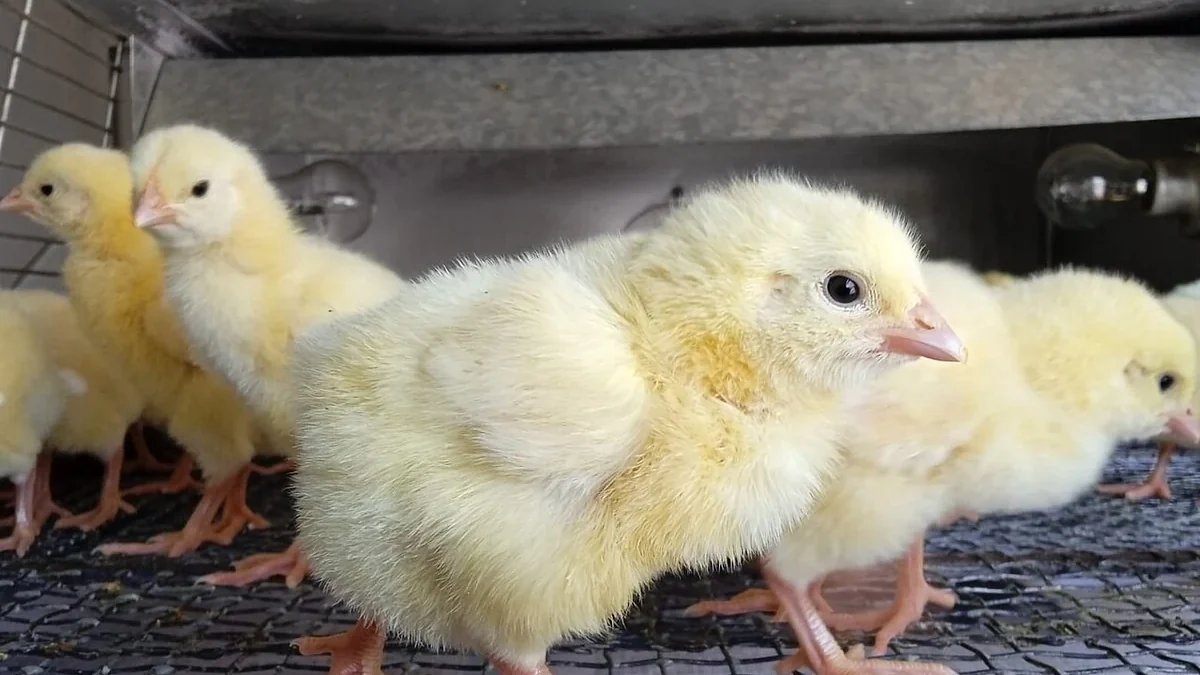
The best time to get chicks is when your brooder, care schedule and eventual coop are ready. Spring can make the later move outdoors easier in some temperate climates, but it is not a universal requirement. A winter batch requires reliable safe heat and close attention to cold; a summer batch needs protection from overheating. Plan the birds’ entire growing period, including holidays and the point at which they need more space.
If your goal is eggs, consider sexed pullet chicks or healthy started pullets from a reputable source. Sexing is not infallible, so have a responsible plan for unexpected males. Ask about vaccination, health status and the feed program before arrival.
Prepare and test the brooder
| Need | Practical preparation | What to observe |
|---|---|---|
| Heat | Install a suitable brooder heater according to its instructions | Comfortable distribution, not constant huddling or avoidance. |
| Floor and bedding | Use clean absorbent bedding and secure footing | Wet areas, slipping and material chicks may consume. |
| Feed | Provide a complete chick starter suited to the birds | Whether every chick finds and reaches it. |
| Water | Use a suitable chick drinker and stable base | Cleanliness, spills and safe access. |
| Containment | Provide secure sides and suitable ventilation | Escape gaps, drafts and crowding as chicks grow. |
Run the system before chicks arrive. Keep heat sources secure, clear of flammable material and safe from tipping or equipment failure. Maintain fresh air without exposing chicks to cold drafts.
Use temperature guidance with the right heater
For conventional brooding, UMN guidance begins around 90–95°F at chick level in the heated area and reduces temperature by about 5°F per week until supplemental heat is no longer needed. This is a starting framework, not a requirement to heat the whole enclosure uniformly. Provide a cooler area so chicks can move away from heat, and use their behavior as well as measurements.
Radiant brooder plates operate differently from heat lamps; follow the manufacturer’s height, capacity and use instructions rather than trying to apply an air-temperature rule mechanically. Chicks evenly active around the brooder are more reassuring than birds continually piled under heat or pressed far away from it. Investigate illness as well as temperature if behavior is abnormal.
Feed for growth and keep the brooder dry
Provide complete starter feed and clean water continuously according to the product and breeder guidance. Do not use a layer ration intended for adult laying hens as a chick starter. Adjust feeder and drinker access as the birds grow. Remove wet bedding promptly and correct spills rather than covering an ongoing leak with more litter.
Choose any medicated feed or vaccination program with the supplier and veterinary guidance, including compatibility between products. Avoid adding herbs, supplements or fermented mixtures as substitutes for a balanced starter. Chicks need a predictable diet and reliable care more than a complicated treat routine.
A brooder-to-coop planning example
Suppose you plan a spring chick arrival. Before ordering, sketch the brooder at arrival size and again after several weeks, including the larger feeders and drinkers. Confirm that the coop will be completed before birds outgrow the temporary space. Check the outdoor weather likely at that stage, but do not set the move by age alone.
Birds should be appropriately feathered and able to manage the expected conditions, with secure suitable housing. Introduce changes gradually and monitor behavior. Different climates and brooder systems can require different timing.
Chick care checklist
- Observe every chick several times during initial establishment.
- Check heat operation, feed, water and bedding.
- Record losses or unusual behavior and seek help promptly.
- Increase usable space and equipment access as birds grow.
- Keep feed dry and protected from pests.
- Use dedicated equipment and prevent contact with older birds or other flocks unless a suitable management plan supports it.
Keep poultry and brooder equipment outside household food areas. Wash hands after contact. Children under five should not handle chicks, and chicks should not be given as novelty gifts.
Brooder questions and mistakes
Can chicks live in a kitchen box? Choose an appropriate separate brooding location and follow poultry hygiene guidance. Can I turn off heat at one fixed age? Feathering, weather, behavior and heater guidance matter. What commonly goes wrong? An untested heater, insufficient space as chicks grow, wet litter, unsuitable feed and buying chicks before the coop has a completion plan.
Sources & further reading
Official guidance and original source material used for the factual points in this guide. Planning examples and worksheets are our own illustrations.
- University of Minnesota Extension: Raising layer chicks and pullets
- CDC: Backyard Poultry — Healthy Pets, Healthy People
- USDA APHIS: Defend the Flock — Biosecurity Basics
Checked 8 October 2026. Location-specific rules, availability and product specifications can change. Suggest a correction.