
Sources checked
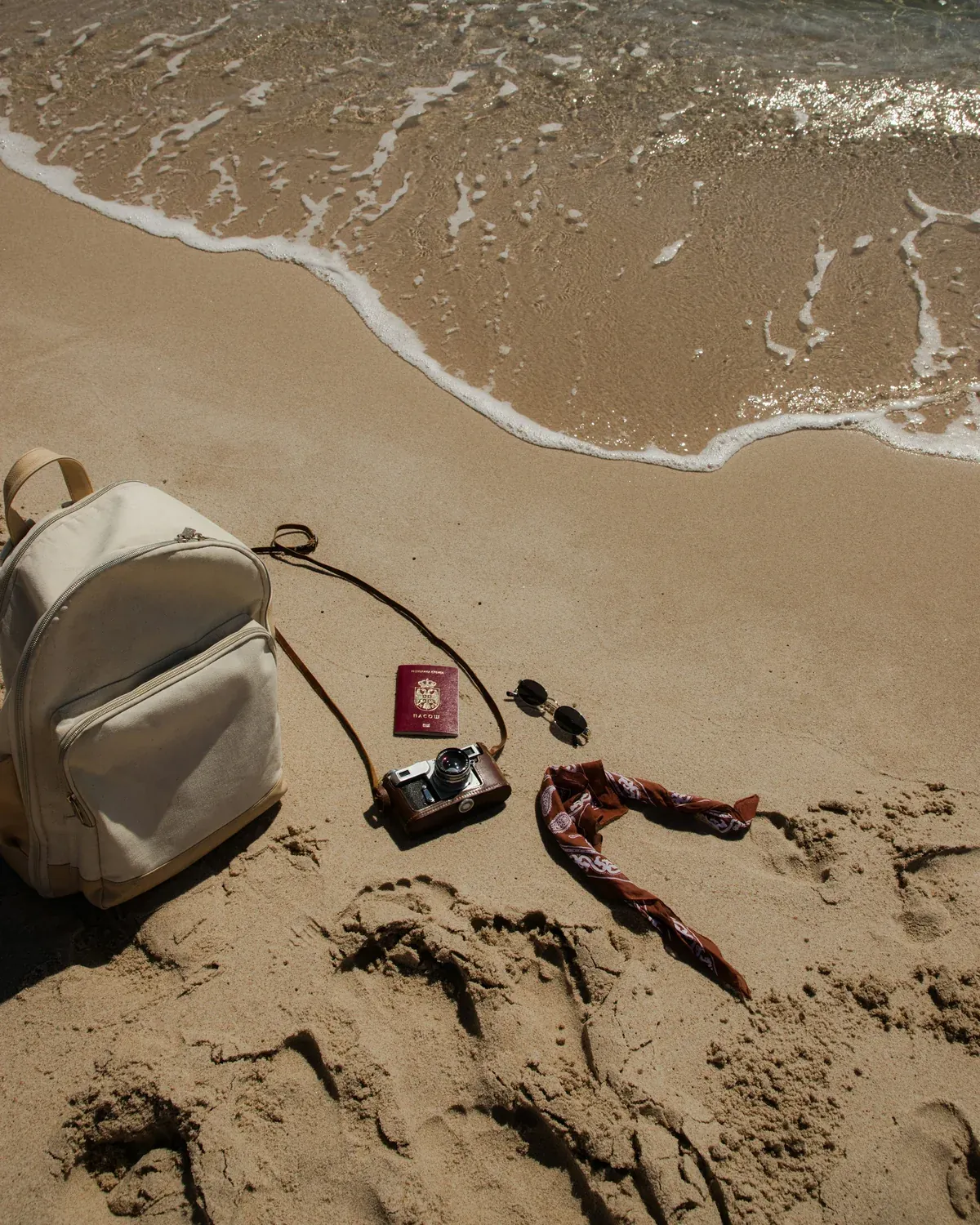
Pack for the trip, not for a bag-size challenge
Traveling with less can make moving between places easier, but the goal is a useful kit, not the smallest possible bag. Start with destination conditions, trip activities, laundry access, care needs, and the transport involved. A city weekend differs from a remote journey with limited shops and unreliable power.
Write down what must remain available even if baggage is delayed: medication and care supplies, necessary documents, communication, suitable clothing, and any essential accessibility equipment. Check storage and transport conditions for each. Keep more when the consequences of going without are serious.
Make a task-based packing worksheet
| Task | Items to review | Question before packing |
|---|---|---|
| Dress for the itinerary | Layers, footwear, event clothing. | What weather and activities are actually planned? |
| Wash and care | Toiletries, treatment supplies, laundry. | What is provided, acceptable, and reliably available? |
| Navigate and communicate | Device, charger, adapter, offline information. | What happens without signal or power? |
| Meet entry requirements | Passport, visa, required documentation. | Have the destination and transit rules been checked? |
Sort the resulting list into essential, useful, and optional. Challenge optional items first rather than trimming essential supplies to meet an arbitrary item count.
Build clothing around the laundry gap
Choose combinations you already know are comfortable and suitable. Count the days until you can realistically wash and dry clothes, then add a margin for delays or changing conditions. Include an appropriate option for cold, rain, work, ceremonies, or the activities you will actually do.
For a five-day visit with reliable laundry midway, a small group of interchangeable clothes may be enough. If drying takes two days, you need a different plan. Try the packed combinations at home and check that footwear can handle the expected walking or other movement. Buying an entire new travel wardrobe is rarely the necessary first step.
Verify documents and screening rules
The U.S. Department of State's international travel checklist covers destination information, travel documents, health planning, and emergencies. U.S. travelers should check it alongside the official requirements of the destination and any transit country. Other nationalities should use their own relevant authorities.
TSA's published U.S. carry-on liquids rule generally allows containers of 3.4 ounces or 100 milliliters within a quart-size bag, with medically necessary liquids subject to separate provisions. Check current official instructions for your departure airport and needed exceptions; security procedures are not identical everywhere.
FAA says spare lithium batteries, including power banks, belong in carry-on baggage, with terminals protected. They must be removed if that bag is checked at the gate. Airlines can impose additional limits, so check the carrier's current rules and the capacity of your device.
Test the packed system
Pack early enough to carry the bag safely, find essential items, and check the transport provider's dimensions and weight allowance. Include the cost of baggage in your comparison. A smaller bag is not useful if you must repeatedly buy replacements at the destination.
Keep essential contact and booking details accessible offline if appropriate. Consider a paper fallback when a device failure would create a serious problem. Identify where you will store purchases, wet clothing, or items used in transit rather than filling every centimeter before leaving.
Learn from the return journey
After the trip, note what you used, what you needed but lacked, and what remained untouched. Record why an item was unused; a rain layer may have been a sensible precaution even when the weather stayed dry.
Should I pack no just-in-case items? Keep justified backups for safety, care, and unreliable access. Remove only low-consequence extras you can comfortably manage without.
Can a minimalist travel kit be expensive? It need not be. Test your existing bag and clothing first, then replace only a defined gap.
Does one bag fit every traveler? No. Family, work, medical, and accessibility needs change the amount and type of baggage required.
Sources & further reading
Official guidance and original source material used for the factual points in this guide. Planning examples and worksheets are our own illustrations.
- U.S. Department of State: International Travel Checklist
- TSA Travel Tips
- FAA: PackSafe, Lithium Batteries
Checked 8 October 2026. Location-specific rules, availability and product specifications can change. Suggest a correction.