
Sources checked
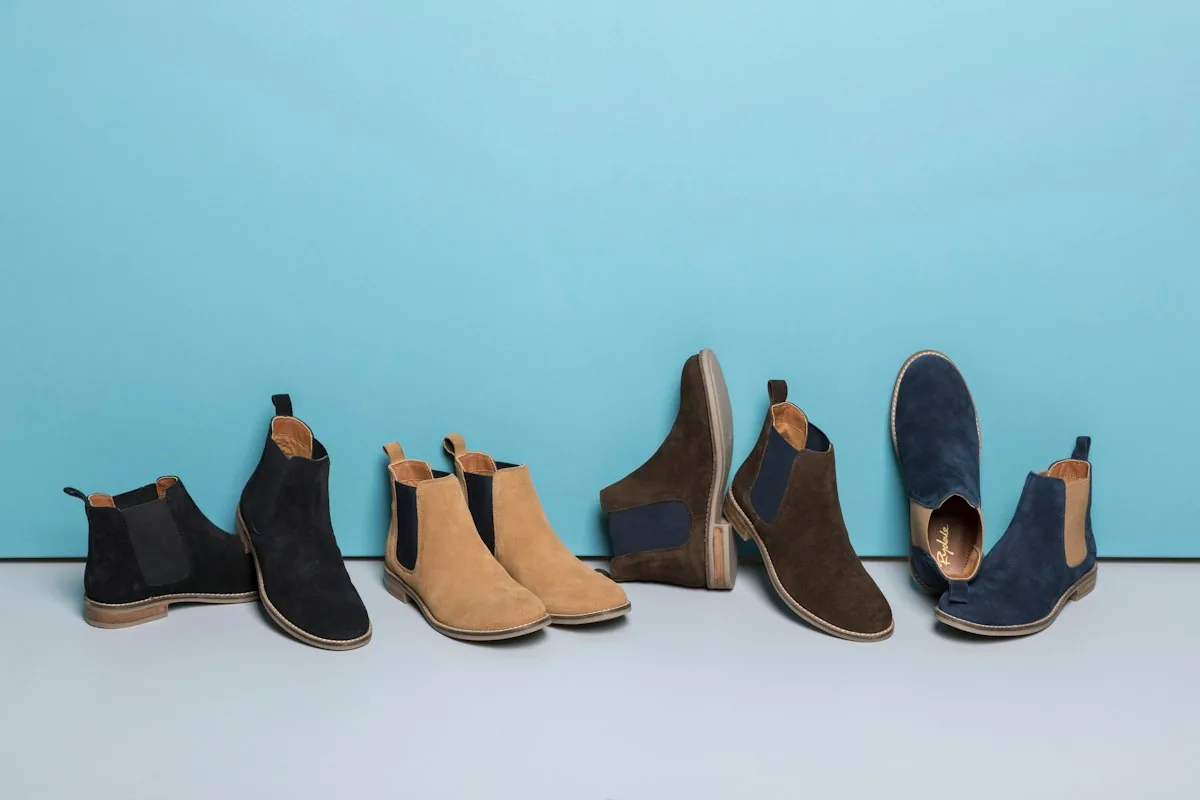
Review shoes around your actual activities
List work, ordinary walking, weather, exercise and any specific health or access needs. Gather the relevant footwear and inspect it in that context. A pair may look attractive yet be uncomfortable or unsuitable for its job. Another may be used only seasonally but still be necessary. Avoid selecting a fixed number before understanding those needs.
Try uncertain pairs where appropriate, check condition and consider whether repair is realistic. For health-related fit or support concerns, use appropriate professional advice rather than a general decluttering rule. Keep another person’s choices separate.
A footwear decision table
| Check | Question | Decision |
|---|---|---|
| Fit and comfort | Can it be worn for the intended activity? | Keep a suitable pair or investigate a fit issue |
| Condition | Is it usable, repairable or beyond use? | Choose repair or a suitable outgoing route |
| Role | Does it cover a real current or seasonal need? | Keep the role visible |
| Duplication | Are several pairs genuinely used? | Retain a realistic rotation |
| Storage | Can it dry, be reached and be returned? | Change the storage before buying another rack |
Condition and destination matter for donation. Do not assume an unusable pair is useful to a recipient.
Build a rotation from routines
A household needs ordinary footwear, wet-weather shoes and a specific work pair. It keeps suitable options for those jobs and enough rotation for drying. Uncomfortable duplicates without a real role are reviewed separately. Climate and laundry or drying conditions determine the arrangement.
Keep occasional footwear only where the need is credible or the item is valued enough to have a real place. An imagined event does not need to justify every pair.
Finish storage and removal
Give frequently used pairs convenient access and separate wet or dirty footwear appropriately. Preserve circulation at the entrance, especially in a tiny home where an open shoe pile can block the daily route. Follow product care instructions rather than sealing damp footwear into unsuitable storage.
Use appropriate local textile or footwear collection, resale and disposal routes, checking acceptance. Continue with the wardrobe guide to coordinate clothing and footwear around real activities.
Sources & further reading
Official guidance and original source material used for the factual points in this guide. Planning examples and worksheets are our own illustrations.
- FDA: Shelf Life and Expiration Dating of Cosmetics
- FDA: Where and How to Dispose of Unused Medicines
- EPA: Household Hazardous Waste
- FoodSafety.gov: Four Steps to Food Safety
- EPA: What You Can Do
Checked 8 October 2026. Location-specific rules, availability and product specifications can change. Suggest a correction.