
Sources checked
Distinguish returning items from cleaning surfaces
Tidying puts possessions where they belong. Cleaning removes dirt and other material from surfaces. Keeping fewer items on a counter can make cleaning easier, but a clear-looking space still needs the care appropriate to its use.
Begin with the places used for food preparation, washing, and daily movement. Decide what must be handled after use, what can follow a weekly cycle, and what depends on conditions. Frequency changes with household size, pets, spills, illness, and the surfaces in the home. A rigid universal cleaning schedule will miss those differences.
Build a kit around the surfaces you have
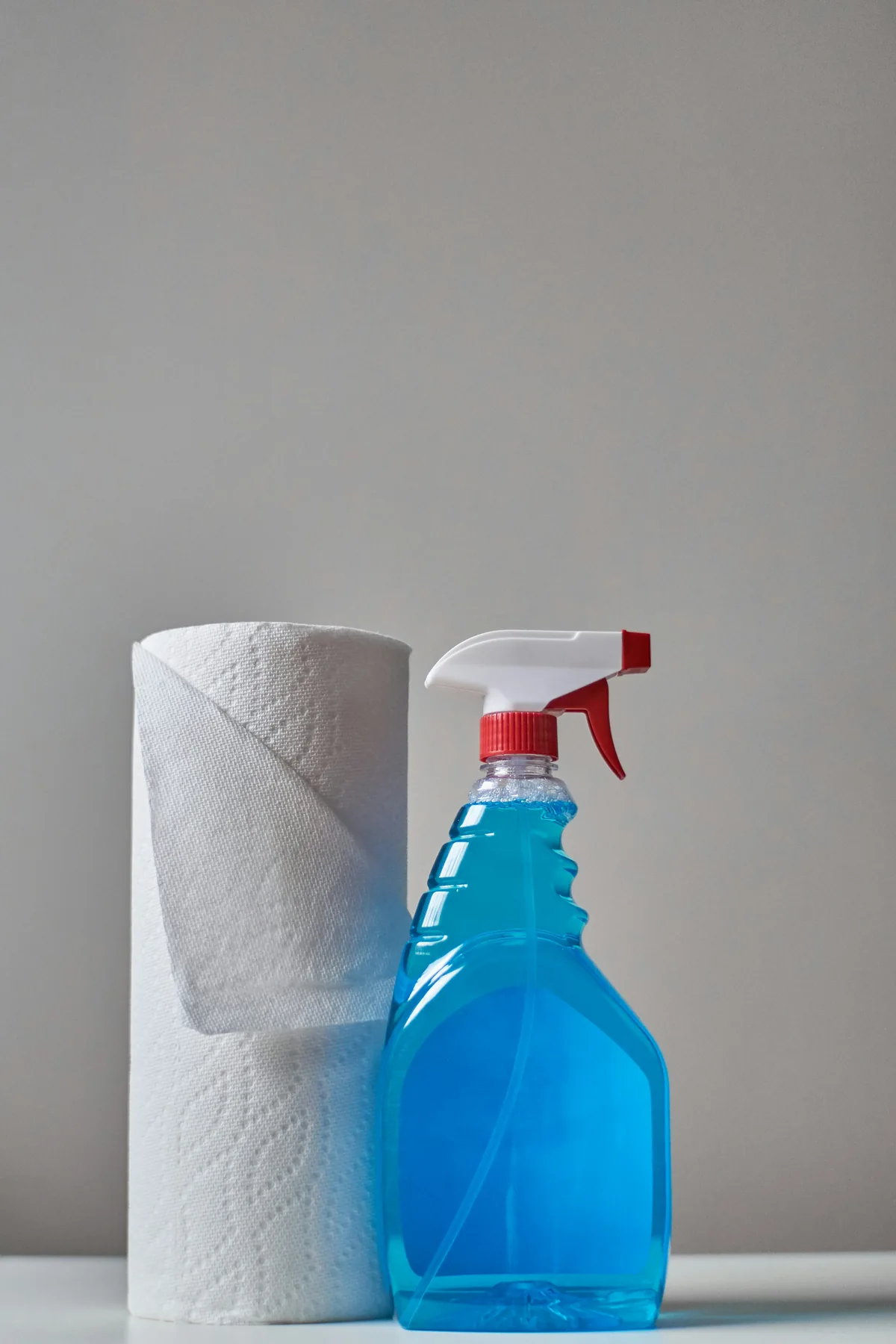
List the material of each important surface and check the manufacturer's care instructions. Choose appropriate products and tools rather than assuming one solution is suitable for wood, stone, upholstery, and bathroom fittings. A small kit might include reusable cloths, a suitable cleaning product, a brush, and the floor tool you can comfortably handle.
Keep product labels and store supplies safely. Do not decant chemicals into food or drink containers. Check whether concentrates require dilution and whether a disinfectant needs a specific contact time. Using more product than directed does not make a task automatically more effective.
Use an adaptable task worksheet
| Trigger or interval | Example task | What makes it workable? |
|---|---|---|
| After preparing food | Handle spills, dishes, and work surfaces. | Keep the appropriate cloth and product accessible. |
| When the bathroom needs attention | Clean fixtures and address visible dirt. | Use suitable products and allow ventilation. |
| Regular household review | Floors, laundry, rubbish, overlooked surfaces. | Share tasks and adjust frequency to actual use. |
| Seasonal or occasional | Check hidden storage and appliance care. | Follow equipment instructions rather than guessing. |
Assign a task to a person and a practical trigger. “Someone should clean” is less useful than an agreement about the next action.
Keep cleaning and disinfection distinct
CDC advises cleaning before sanitizing or disinfecting and says regular cleaning is enough in many ordinary household situations. Illness and particular circumstances may call for additional measures. Follow current guidance relevant to your household.
Use an appropriate labeled disinfectant when disinfection is needed, following its instructions. Do not treat an improvised kitchen mixture as equivalent. CDC warns against mixing products or chemicals. Preserve ventilation and other precautions in the label, even if the room is small or you want to finish quickly.
Products should remain identifiable throughout storage and disposal. EPA's hazardous-waste guidance explains that some household cleaners require special handling; check local rules for leftovers and damaged containers.
Reduce the friction instead of speeding through
Place a return tray near the area that collects loose items and empty it at a planned interval. Leave enough storage room to put things away without compressing them into a cupboard. In a multipurpose room, reset the part needed for the next activity first.
For limited energy, choose a short session or divide tasks across days. Seated tasks, lighter tools, and help with lifting may make a routine more practical. Stop when the chosen task is complete rather than expanding every small clean into a whole-home project.
Pitfalls and FAQs
A large stock of products can add clutter and waste. Finish suitable products you already own before buying another equivalent, while respecting expiry, condition, and safety instructions.
Can I use one cloth everywhere? Plan separate cloths or appropriate washing so that dirt from one task is not spread to another, especially around food preparation.
What if my home never looks perfect? Prioritize usable surfaces, hygiene, safe access, and a routine the household can maintain.
Should I make all my own cleaners? Only use methods appropriate to the surface and task. A homemade label does not establish disinfectant effectiveness or compatibility.
Sources & further reading
Official guidance and original source material used for the factual points in this guide. Planning examples and worksheets are our own illustrations.
Checked 8 October 2026. Location-specific rules, availability and product specifications can change. Suggest a correction.