
Sources checked
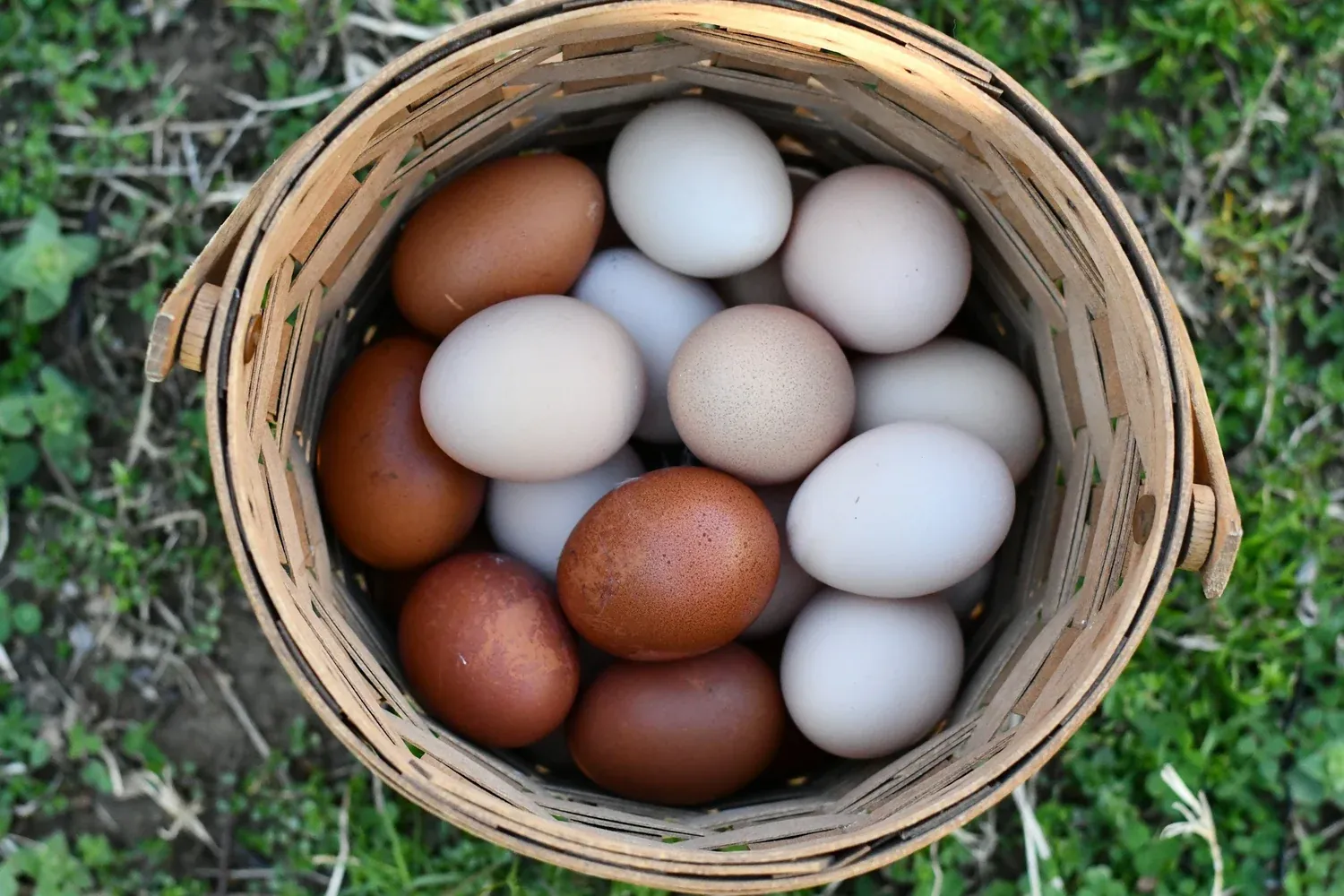
A Fresh Egg Still Needs Safe Handling
A backyard egg is food from an animal environment. Its attractive shell or recent collection does not establish that it is free of harmful bacteria. Build the routine around clean nests, clean collection equipment, sorting, refrigeration and safe preparation. Keep the containers used for eggs separate from garden harvests or other items that may carry soil and manure.
This guide uses U.S. food-safety sources for household handling. Sale, donation, grading and washing requirements depend on where you live. When asking a local extension service for advice, describe your flock, how eggs are collected and whether they are for your household or for other people.
Why “Just Wash Them” Is Poor Advice
Commercial egg cleaning is a controlled process. Rewashing store eggs at home is not a substitute for handling them properly. For backyard eggs, extension advice varies: New Mexico State recommends gentle dry wiping, without washing or sanding, while Minnesota describes other dry cleaning methods. Both emphasize avoiding wet shells and discarding cracked eggs. Do not combine fragments of different methods into a homemade chemical wash.
Use current local guidance for the intended use. NMSU advises discarding heavily manure-soiled eggs rather than trying to make them usable. Preventing dirty eggs through nest care is a more useful first action than assembling an elaborate cleanup station afterward. Never soak fresh eggs.
Build A Collection And Storage Routine
| Stage | What To Organize | What To Record |
|---|---|---|
| Collection | A clean dedicated container and regular nest checks | Collection date and recurring dirty-nest problems. |
| Sorting | Remove cracked or unsuitable eggs | Separate food-handling decisions from whether an egg looks attractive. |
| Storage | Clean cartons and reliable refrigeration | Use a refrigerator thermometer and rotate the older batch first. |
| Cooking | Clean hands, utensils and a clear preparation space | Use appropriate cooking guidance for the recipe. |
FDA advises keeping eggs refrigerated at 40°F or below. Check the appliance with a thermometer rather than assuming its dial represents the temperature. In a small kitchen, store egg containers where they will not be crushed or mixed with items from the coop.
Prepare Eggs Without Spreading Contamination
Wash hands and clean utensils and work surfaces after contact with raw eggs. Keep the collection container away from ready-to-eat food preparation. FDA advises cooking eggs until the yolk and white are firm and cooking egg dishes to 160°F. For recipes served raw or undercooked, use pasteurized eggs or pasteurized egg products suitable for the recipe.
Plan the sink sequence so dirty containers do not share a crowded surface with washed dishes or prepared food. This matters in a tiny kitchen because the same counter may serve several jobs within a few minutes. A clear preparation area is more useful than treating shell washing as the entire safety plan.
Troubleshoot The Flock-To-Kitchen System
If eggs are repeatedly dirty, examine nests, bedding, collection frequency and the route from the coop. If refrigeration is unreliable, solve that problem before expanding the flock or promising eggs to neighbors. Write down who collects, sorts and cleans the equipment when someone else covers daily chores.
If you sell or donate eggs, confirm the current requirements with the responsible local authority. Minnesota’s published labeling rules should not be assumed to apply nationwide. Keep household handling guidance, local sale rules and flock-health questions as separate checks, with the relevant authority for each.
Sources & further reading
Official guidance and original source material used for the factual points in this guide. Planning examples and worksheets are our own illustrations.
- New Mexico State University: Fresh Egg Safety
- University Of Minnesota: Handling Farm Fresh Eggs — Its sale and labeling requirements apply to Minnesota; cleaning guidance differs from NMSU.
- FDA: What You Need To Know About Egg Safety
Checked 8 October 2026. Location-specific rules, availability and product specifications can change. Suggest a correction.