
Sources checked
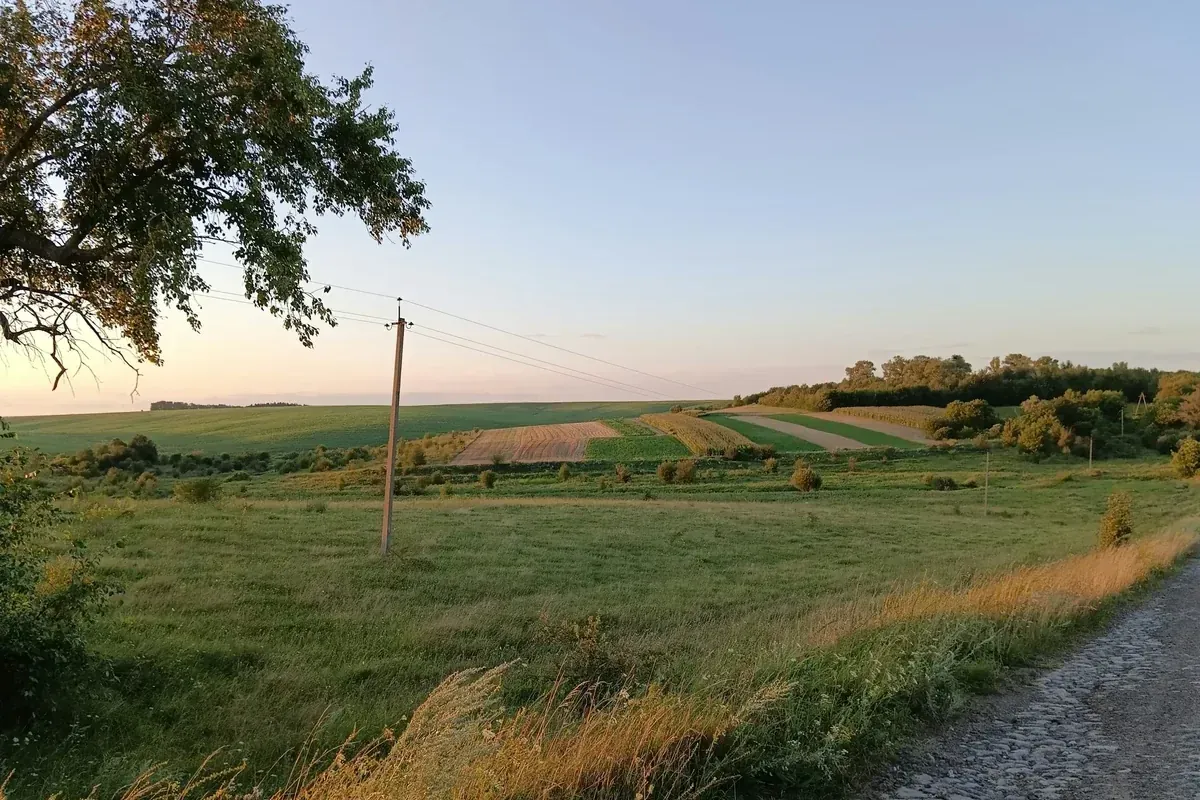
Search for a living arrangement, not just cheap acreage
Write the proposed home category, household, duration of occupancy, mobility plans and service needs before contacting agents or landowners. Search options can include buying a parcel, leasing a prepared site, renting a small existing dwelling or joining a community. Each solves a different combination of ownership, flexibility and maintenance needs. A large inexpensive parcel may need more access and infrastructure than a smaller prepared location.
Set a search boundary using work, care, schools, deliveries and essential services. Compare actual travel time at the times you will use the route. If reliable internet is essential, investigate it for the address rather than accepting a broad regional coverage claim.
Shortlist with evidence
| Question | Evidence to obtain | Stop and resolve when |
|---|---|---|
| Can this use be considered? | Written parcel- and category-specific authority response | Only verbal or generic tiny-house claims are offered |
| Can you reach the home? | Legal access and workable delivery route | Access depends on an undocumented neighboring route |
| Can services work? | Water, wastewater and electricity proposals | No approved wastewater solution is identified |
| What restrictions exist? | Title, easements, covenants and applicable rules | A listing says unrestricted without documentation |
| What risks affect the site? | Survey, soil, drainage and hazard information | Aerial photographs are the only site evidence |
In the U.S., official flood mapping and USDA soil surveys are useful screening tools. They do not replace parcel-specific investigation, a survey or an approved system design.
Compare the usable-site cost
Parcel A is listed for 40,000 in your chosen currency and needs 30,000 of quoted access and service work. Parcel B is 55,000 with 10,000 of equivalent work. Before fees, financing or unresolved items, the comparison is 70,000 versus 65,000. These are illustrative figures, not land-price estimates.
Add surveys, investigations, application work, clearing, drainage, foundation or support, connections, delivery and recurring expenses. Mark unknowns separately. A low listing price is not evidence that the installed project will be inexpensive.
Use a staged decision folder
Keep parcel identification, a location map, site photographs, official responses, title information, quotes and outstanding questions together. Ask the relevant local professionals about investigation and contract conditions before committing to purchase. The important condition is whether the proposed arrangement can be made workable, not whether tiny houses exist somewhere nearby.
For leased sites, obtain the home-acceptance policy, service capacity, lease term, rent-change process and exit obligations. Then work through setting up the land with the team responsible for design, approvals and installation.
Sources & further reading
Official guidance and original source material used for the factual points in this guide. Planning examples and worksheets are our own illustrations.
- USDA NRCS: Web Soil Survey
- FEMA: Access to official flood maps
- EPA: Types of septic systems
- Oregon State University Extension: Creating a Land Steward property management plan
- PHMSA: Contact 811 before digging
Checked 8 October 2026. Location-specific rules, availability and product specifications can change. Suggest a correction.