
Sources checked

Begin with site evaluation and design
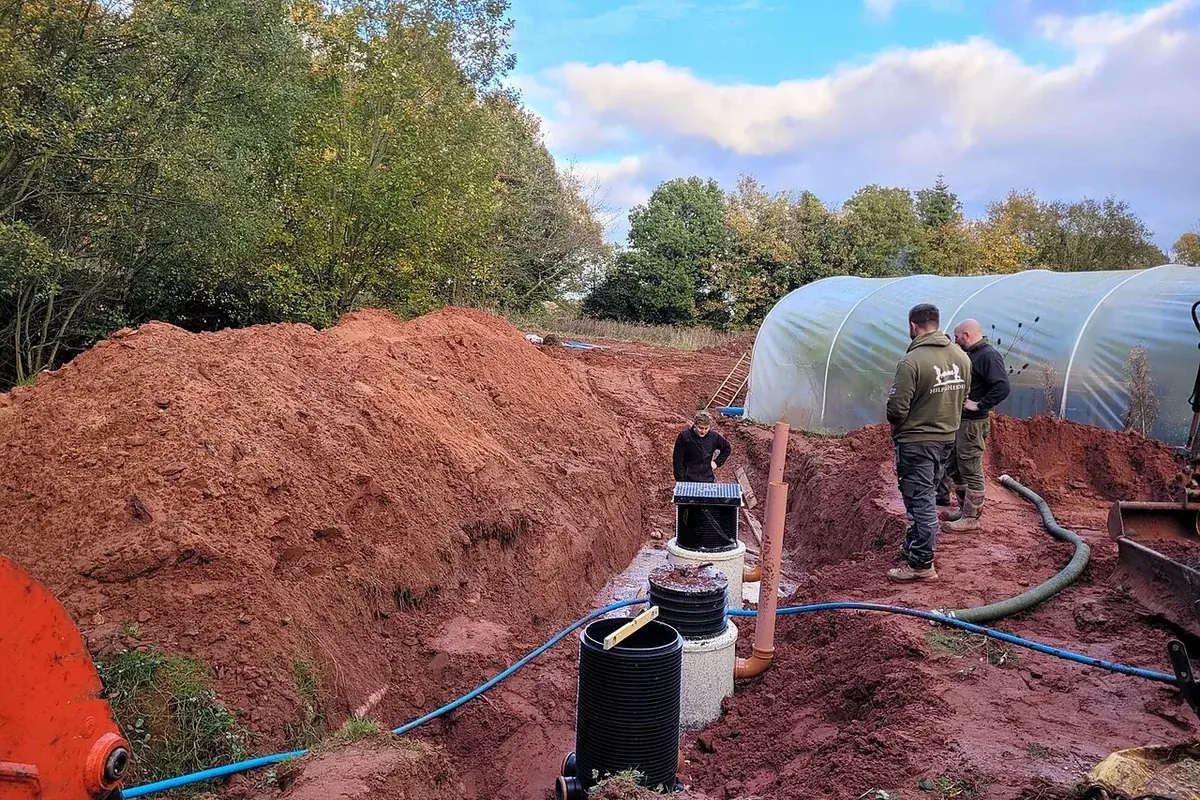
A septic system treats wastewater through a coordinated arrangement of collection, treatment and dispersal. The correct system depends on the site, intended use and local approval process. Start with the responsible authority and a qualified local evaluator or designer. Obtain the site report, accepted design and any operation conditions before requesting construction prices.
The tank is only one component. Soil treatment, pumps, alarms, electrical supply, inspection access, setbacks and a possible reserve area can affect both layout and cost. A tiny home does not automatically mean the smallest possible system; design requirements may use prescribed occupancy or bedroom assumptions. Ask how the proposal will be assessed.
Compare the installed scope
| Quote item | What to clarify |
|---|---|
| Evaluation and permits | Reports, design, application fees and inspections |
| Equipment | Tank, pumps, alarms, controls and specified treatment components |
| Ground work | Excavation, access, unsuitable material and restoration |
| Connections | House plumbing interface, electricity and testing |
| Treatment area | Exact location, earthwork and protection during construction |
| Ownership | Service contract, routine inspections and expected maintenance |
Request the assumptions behind the quote and what changes them. Depth, rock, difficult access and extra design work can affect a price. Keep currency, tax, validity date and exclusions visible when comparing bids.
Make the cost example explicit
Suppose a local quote separates 1,500 for evaluation and permits, 9,000 for equipment, 7,000 for excavation and treatment-area work, and 2,500 for electrical connections and restoration. That illustration totals 20,000 before any excluded items. It is an arithmetic example, not a typical septic installation price.
Use actual local quotes in the site budget. Record maintenance and electricity separately from the initial installation. If an advanced treatment unit needs regular service, compare that commitment before choosing the lowest initial bid.
Protect the system and finish the handover
Arrange inspections at the required stages before work is concealed. Save the approved plan, as-built location, inspection records, equipment manuals, installer details and operating instructions. Mark the treatment area for the site team so heavy vehicles and later projects do not compact or build over it.
The EPA advises regular inspection and pumping based on system and use, careful water use and protection of the drainfield. Follow the local and system-specific service schedule rather than assuming one interval fits everything. Keep accessible covers, a service route and an emergency contact. A useful handover tells you where the components are and what to do when an alarm or fault occurs.
Sources & further reading
Official guidance and original source material used for the factual points in this guide. Planning examples and worksheets are our own illustrations.
- EPA: Types of septic systems
- EPA: How to care for your septic system
- USDA NRCS: Web Soil Survey
- Oregon State University Extension: Creating a Land Steward property management plan
- FEMA: Access to official flood maps
- PHMSA: Contact 811 before digging
Checked 8 October 2026. Location-specific rules, availability and product specifications can change. Suggest a correction.