
Sources checked
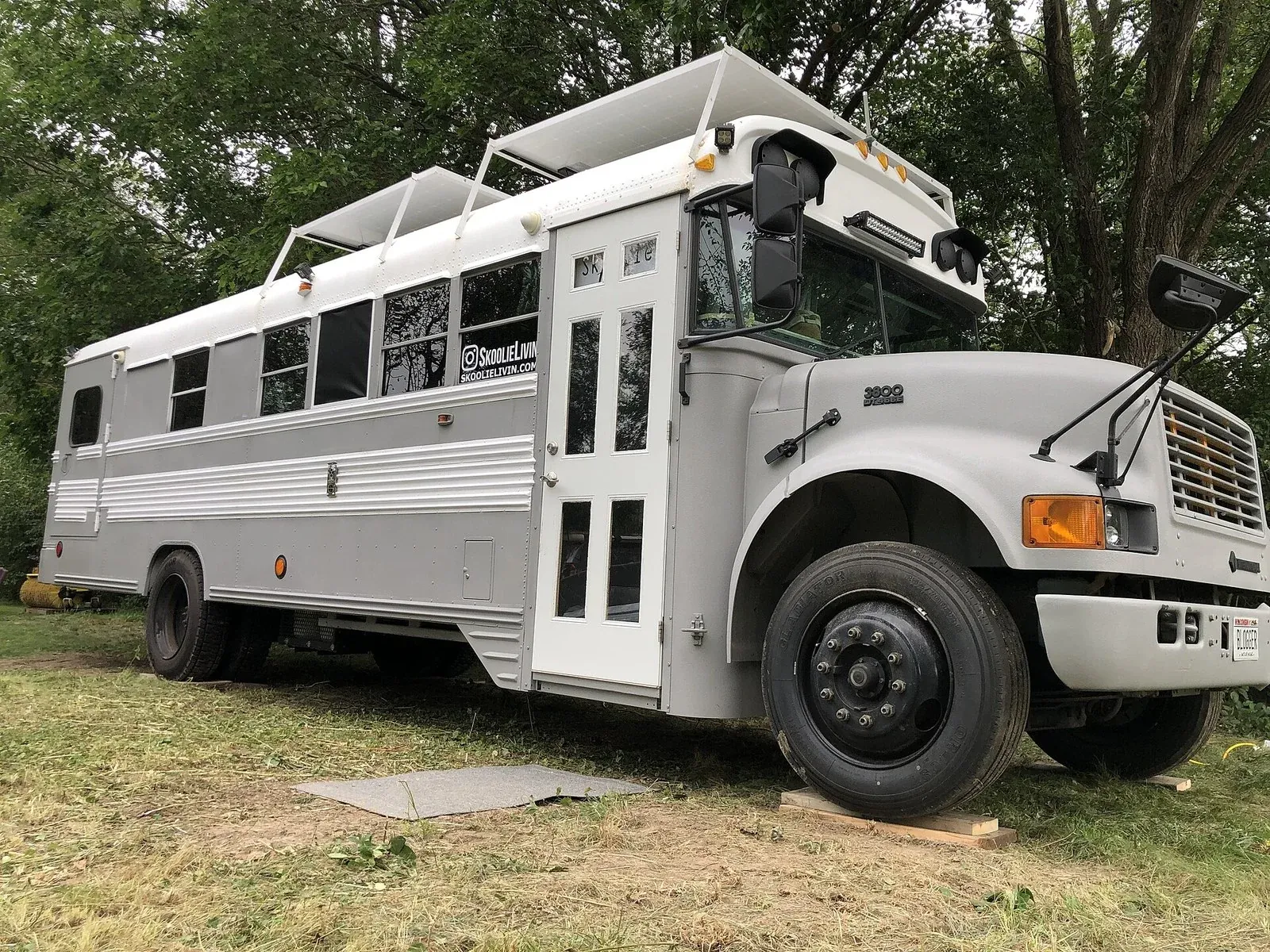

Start with the intended use
Start with a qualified mechanical inspection and a clear record of the vehicle before purchasing the shell. Ask about title, registration, insurance and the rules for the intended use. Map the engine, access panels and other components that must remain serviceable. An attractive interior should not obstruct the vehicle work that keeps the bus usable.
Write a short brief stating who will use it, where, in what season and for how long. Mark the parts that rely on external facilities. Compare the complete arrangement against your current life, including work, pets, groceries and ordinary maintenance. This keeps the decision tied to use rather than the novelty of the structure.
Compare the important trade-offs
| Area to review | What to verify | Possible difficulty |
|---|---|---|
| Vehicle condition | Service history, corrosion, running gear and mechanical inspection | A cheap bus can create a large repair project before the interior starts |
| Interior envelope | Finished standing height, curved edges and window positions | The original passenger layout may conflict with insulation and storage |
| Daily use | Driving, parking, sleeping and working arrangements | Occasional travel and a fixed home need different priorities |
For each row, record evidence received, the unanswered question and the person who can resolve it. Ask for a written specification for the exact product or proposed design. A claim about a different model, climate or site does not answer your project.
Design for ordinary days
The curved roof, repeated windows and long narrow floor create specific design questions. Draw the bed, shower and storage inside the finished envelope, rather than the stripped shell. Put heavy systems and tanks into a professionally assessed load plan. Consider how the living layout interacts with travel preparation, securing objects and vehicle maintenance.
Test the operational layout: doors and drawers open, sleeping space in use, cleaning supplies out and two people moving at once. Add reachable storage for daily items and a place for occasional equipment. Keep service access visible on the plan. A compact arrangement should work when it is lived in, not only after everything is put away.
Price the complete arrangement
Compare the cost of the bus, mechanical work, conversion, systems and travel with a purpose-built alternative. Add workshop space, tools and the time you need to learn. A self-build can be satisfying when you want the process, but it should not depend on every repair being inexpensive.
Use a written comparison with included, excluded and provisional items. Record currency, tax treatment and the quotation date. Keep recurring costs separate from purchase and installation. Our budget planner adds your own inputs; it is useful for seeing scope gaps before you make a commitment.
Before committing
- Confirm the category and intended use with the relevant authorities.
- Request the actual specification, documentation and maintenance instructions.
- Have structure, systems or transport reviewed by the appropriate professionals.
- Test the finished interior dimensions with your own furniture and routines.
- Obtain complete site, delivery and installation quotes.
- Agree responsibilities, inspection access, changes and support in writing.
Questions to take to the seller
What is included? Ask for the work, equipment, documents and installation tasks line by line.
What changes for my site? Identify the person responsible for local adaptation and review.
How is it maintained? Ask how the distinctive parts are inspected, accessed, repaired and replaced.
Can I try a comparable setup? A trial helps reveal routine compromises, while the project still needs its own documentation and approvals.
Sources & further reading
Official guidance and original source material used for the factual points in this guide. Planning examples and worksheets are our own illustrations.
- NHTSA TireWise: tire selection, loading and maintenance
- U.S. Department of Energy: whole-house ventilation
Checked 8 October 2026. Location-specific rules, availability and product specifications can change. Suggest a correction.