
Sources checked
Begin With A Normal Cooking Day
Write down breakfast, drinks, meals, cleanup and leftovers for an ordinary day. List the actual appliances and which jobs happen at the same time. Include kettle use, a water pump, refrigeration and any ventilation equipment. A kitchen plan built around one attractive appliance can miss the work needed before and after cooking.
Test where ingredients, washing, preparation, cooking and clean dishes fit. Choose a route that works when another person is in the room. Keep raw-food handling and clean-food preparation practical on the surfaces you have. The useful starting point is a meal sequence and a list of service needs, not a universal off-grid shopping list.
Separate Power From Daily Energy
Power in watts describes demand at a moment; watt-hours describe energy used over time. Virginia Cooperative Extension explains energy use as watts multiplied by operating hours. Use measurements for your own appliances, especially devices that cycle on and off. Record simultaneous demand separately from the daily total.
| Illustrative Load | Assumed Use | Energy |
|---|---|---|
| Cooking appliance | 1,000 W for 0.5 hour | 500 Wh |
| Lighting | 10 W for 4 hours | 40 Wh |
| Water pump | 60 W for 0.25 hour | 15 Wh |
| Subtotal | Only these three teaching inputs | 555 Wh before losses and other loads |
This example omits refrigeration, ventilation and charging losses. It is not a battery or panel recommendation. If the cooking appliance and pump operate together, the assumed simultaneous load is 1,060 W before any starting demand. Put the real load list through the solar-energy worksheet and confirm the system design with suitable expertise.
Keep Food Storage Reliable
Use measured refrigerator and freezer demand in the energy budget. USDA guidance recommends refrigerator temperatures of 40°F or below and freezer temperatures of 0°F or below. Check them with appliance thermometers and make a plan for a power interruption. Storing a large harvest or meat order makes reliable cold storage more consequential.
Choose quantities around the storage you can maintain. A pantry plan should identify what needs refrigeration, what can be stored by a tested preservation method and what should be bought in smaller amounts. Off-grid living does not make an untested food-storage method safe.
Plan Water And Wastewater Together
List drinking, cooking, handwashing and dishwashing needs, then identify the approved water source, treatment requirements and drainage route. Have the real site and intended use checked where required. Carrying water may be workable for a trial, but the daily effort belongs in the plan alongside equipment and energy.
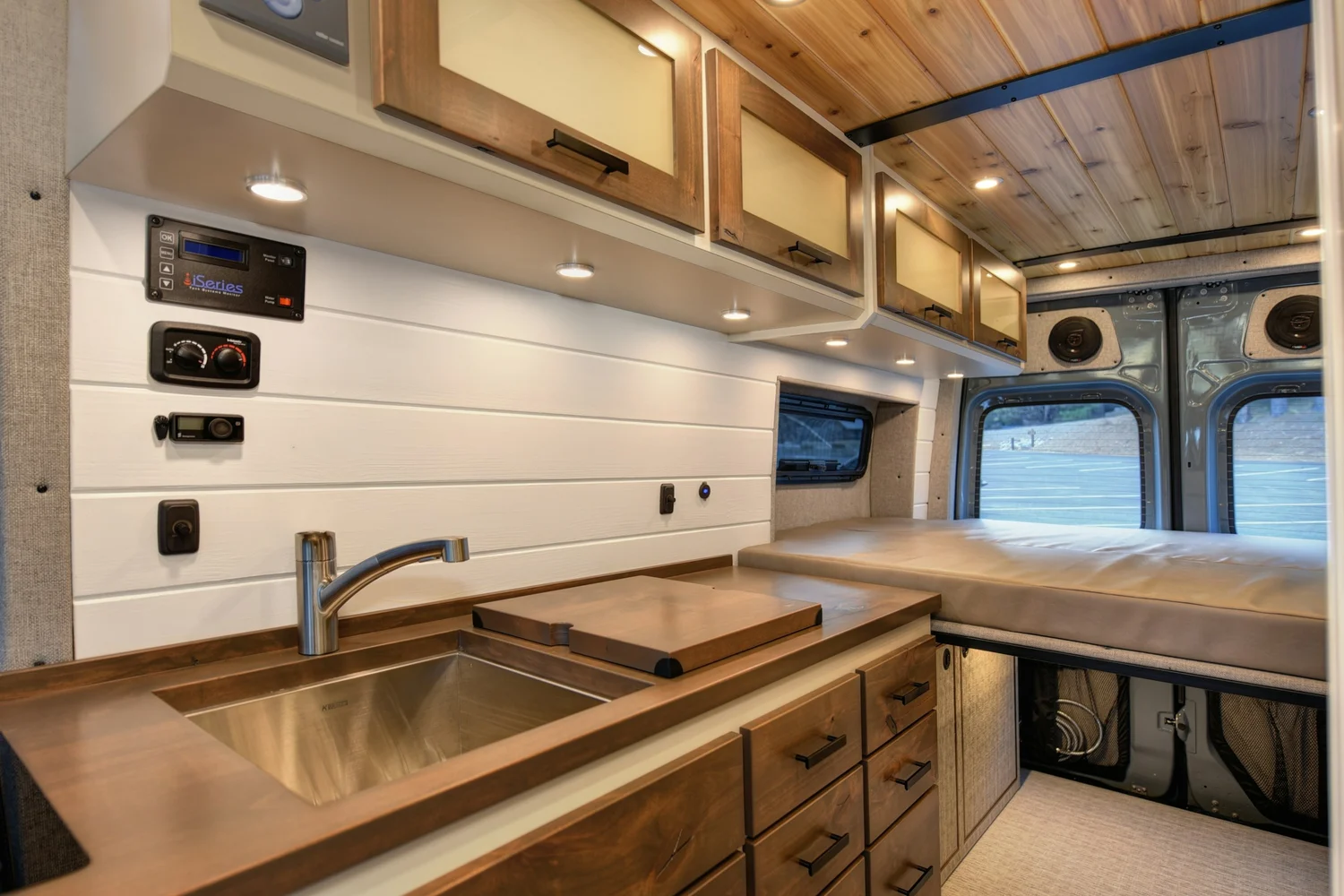
Place cleaning supplies and waste containers where they can be used without crossing prepared food. Test washing the largest pan in the planned sink. A small sink that suits a photograph may make ordinary cookware awkward, increase splashing or obstruct the only counter.
Make A Safe Backup Plan
Government carbon-monoxide guidance warns against bringing camping gas appliances into tents, caravans or cabins unless they are correctly installed permanent fixtures. Follow the appliance instructions and applicable installation requirements for the actual home. An outdoor cooking appliance is not an indoor fallback simply because a door is open.
Write down what you will do when power, water or equipment is unavailable: which meals remain practical, where cold food goes and which tasks must stop. Try a manageable version while services are working. Keep the instructions accessible to anyone sharing the home instead of depending on one person’s memory.
Sources & further reading
Official guidance and original source material used for the factual points in this guide. Planning examples and worksheets are our own illustrations.
- Virginia Cooperative Extension: Estimating Appliance Energy Use — Use measured current loads; the arithmetic is useful, but historical appliance examples and electricity rates are not current recommendations.
- USDA FSIS: Freezing And Food Safety — Official indexed guidance checked; direct retrieval unavailable.
- Northern Ireland Government: Cooking Appliance And Carbon Monoxide Safety — Safety guidance for camping, caravans and boats; installation requirements for a permanent home remain local.
Checked 8 October 2026. Location-specific rules, availability and product specifications can change. Suggest a correction.