
Sources checked
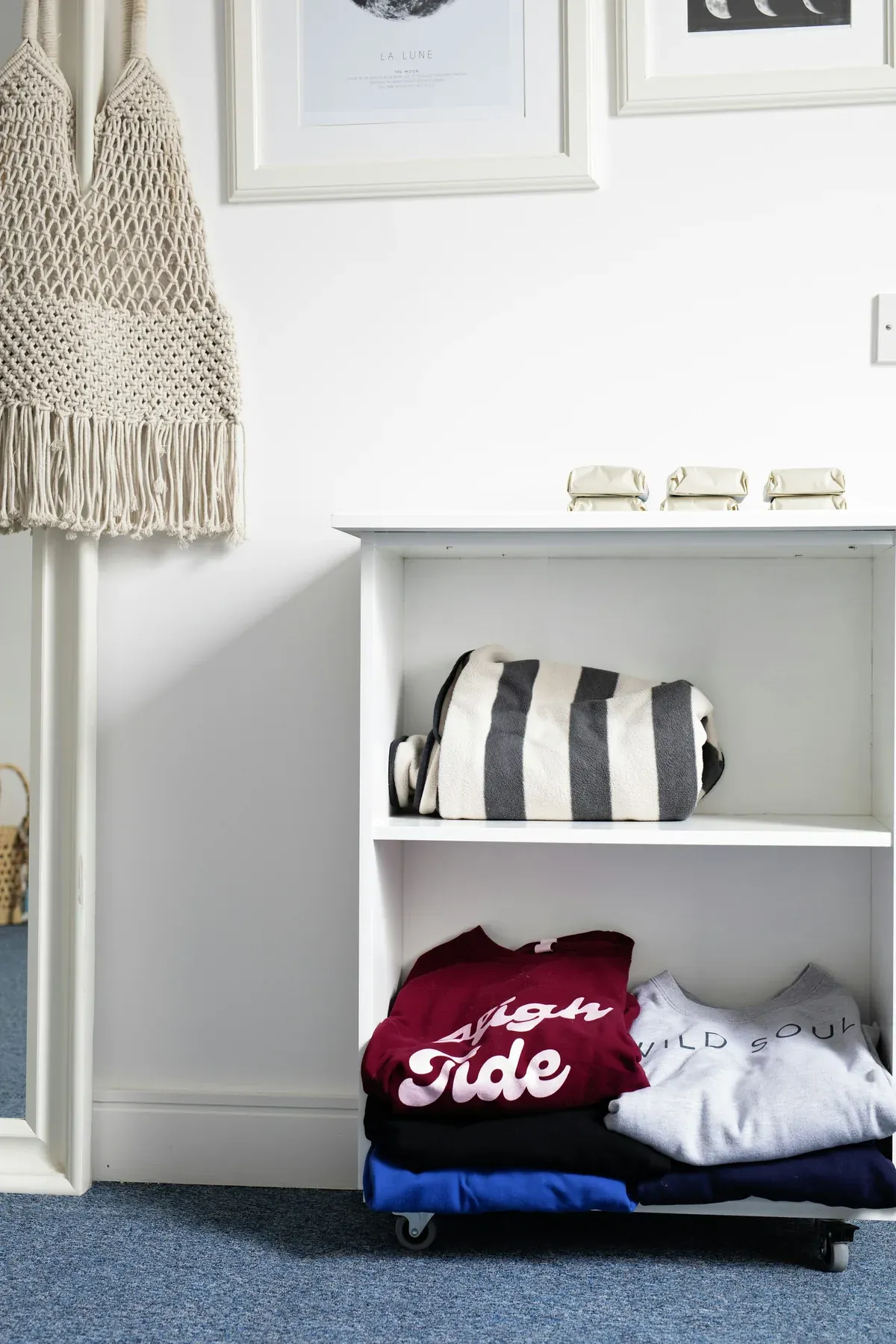
Use your week as the starting point
List the activities and conditions your clothing must cover: work, ordinary home life, exercise, weather, care needs and credible occasional uses. Then examine the clothes you actually wear. Fit, comfort and ease of care matter more than whether the wardrobe resembles a particular capsule photograph.
Keep daily and seasonal needs separate. A useful small rotation depends on laundering and drying conditions; owning fewer clothes can create more frequent chores. Do not choose a numerical limit before understanding the work and climate the set must support.
A wardrobe planning table
| Role | Questions | Storage |
|---|---|---|
| Everyday | What is comfortable and regularly worn? | Easy access and return |
| Work | What standards, protection or presentation are required? | A practical ready-to-use rotation |
| Weather | Which seasonal conditions need coverage? | Protected seasonal storage |
| Activity | Which specific tasks require suitable clothes? | A distinct useful category |
| Occasional | Is the need credible or the item valued? | A realistic place, not an unlimited reserve |
Try uncertain items and check condition. Alteration or repair may help a suitable garment; a label or past price does not establish present usefulness.
Test before buying replacements
A person sets aside a practical group for an ordinary work and home cycle, retaining necessary seasonal and special-use items. They observe laundry frequency, comfort and actual combinations. Only then do they identify a genuine gap, rather than buying a complete new capsule.
Maintain a usable system
Return retained items to storage that makes daily selection easy. Record unwanted duplicate purchases and what triggered them. Before buying, check the role, fit, care, storage and whether another garment already solves the need.
Use suitable outgoing routes for wearable or recyclable items, checking local policies. Read slow fashion for care and purchasing, and category-based tidying for a selection method. Review the wardrobe when work, climate, health or household routines change.
What if laundry happens only weekly?
Plan enough suitable clothing for the actual wash and drying cycle, including delays that routinely occur. A smaller count that forces emergency washing may create more work and expense. Test the rotation through an ordinary cycle before releasing necessary backups.
Sources & further reading
Official guidance and original source material used for the factual points in this guide. Planning examples and worksheets are our own illustrations.
Checked 8 October 2026. Location-specific rules, availability and product specifications can change. Suggest a correction.