
Sources checked
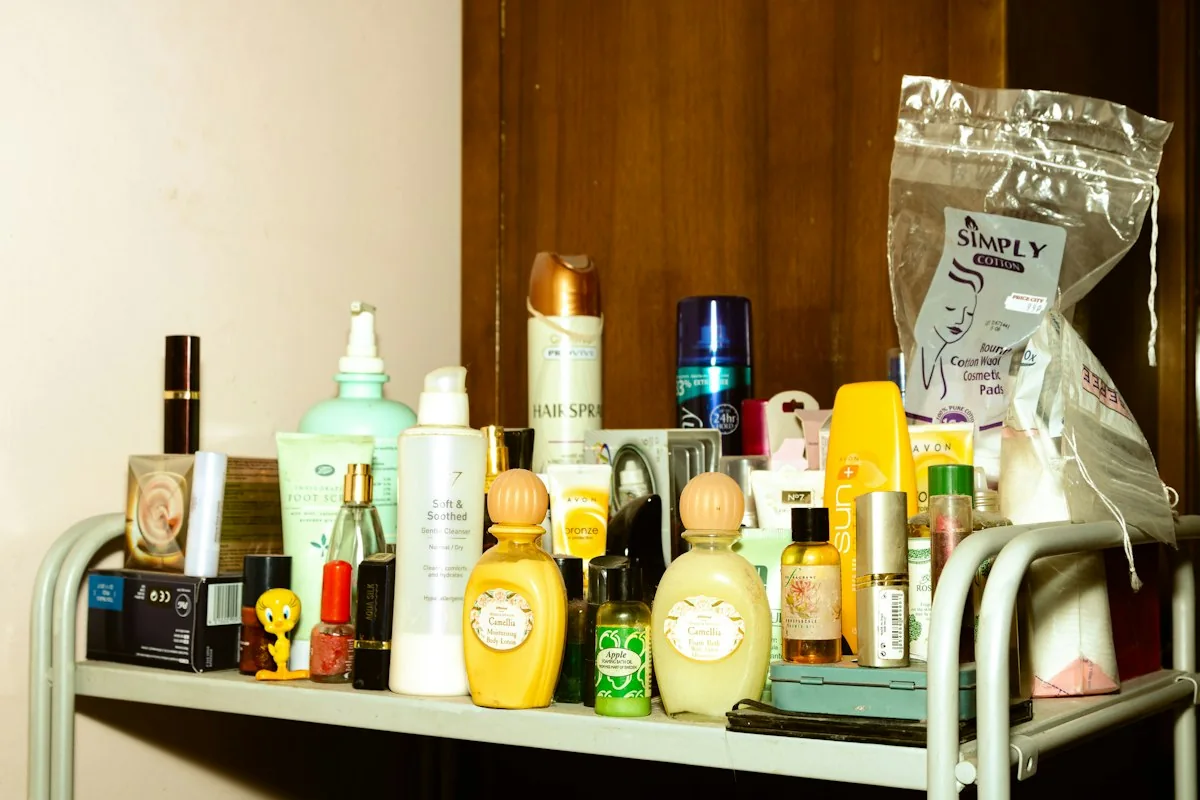
Separate the categories before deciding
Bathrooms mix toiletries, cosmetics, cleaning products, towels, equipment and medicines. Work through them separately because suitability, storage and disposal differ. Keep necessary health and care items accessible. Do not apply a casual use-date rule to medication or essential equipment.
For medicines, follow labels and relevant health guidance. The FDA describes take-back options and other disposal routes for unused medicines, with product-specific exceptions. Do not assume every medicine should be poured into a drain or put in ordinary trash.
Use a bathroom inventory
| Category | Check | Next action |
|---|---|---|
| Daily toiletries | Current use, condition and product instructions | Keep an accessible practical set |
| Cosmetics | Opening information and manufacturer guidance | Review through the cosmetics guide |
| Medicines | Label, expiry, intended user and required storage | Use an appropriate review and disposal route |
| Cleaning materials | Labels and local material rules | Store and dispose appropriately |
| Towels and accessories | Real household and guest needs | Keep a suitable quantity and convenient home |
Check whether the bathroom environment suits the product; heat and humidity can make a convenient cupboard inappropriate. Follow the actual storage instructions.
Test the daily routine
A household moves suitable daily toiletries to one accessible area, keeps medicines in storage appropriate to their instructions, and gives shared towels a clear location. It reviews unopened duplicate purchases separately rather than mixing everything into matching containers.
Keep door movement, cleaning access and ventilation needs visible in a tiny bathroom. A shelf should not make the shower, toilet or necessary equipment harder to use.
Finish the outgoing route and prevent duplicates
Check donation policies for unopened products and local packaging or hazardous-material rules where relevant. Remove unsuitable items through the correct route instead of leaving a permanent bag under the sink.
Record what is already available before shopping. Coordinate purchases within the household, particularly for products several people use. Read cosmetics and tiny bathroom planning for specific details. A useful bathroom supports the routine and stores products appropriately.
Sources & further reading
Official guidance and original source material used for the factual points in this guide. Planning examples and worksheets are our own illustrations.
- FDA: Shelf Life and Expiration Dating of Cosmetics
- FDA: Where and How to Dispose of Unused Medicines
- EPA: Household Hazardous Waste
- FoodSafety.gov: Four Steps to Food Safety
Checked 8 October 2026. Location-specific rules, availability and product specifications can change. Suggest a correction.