
Sources checked
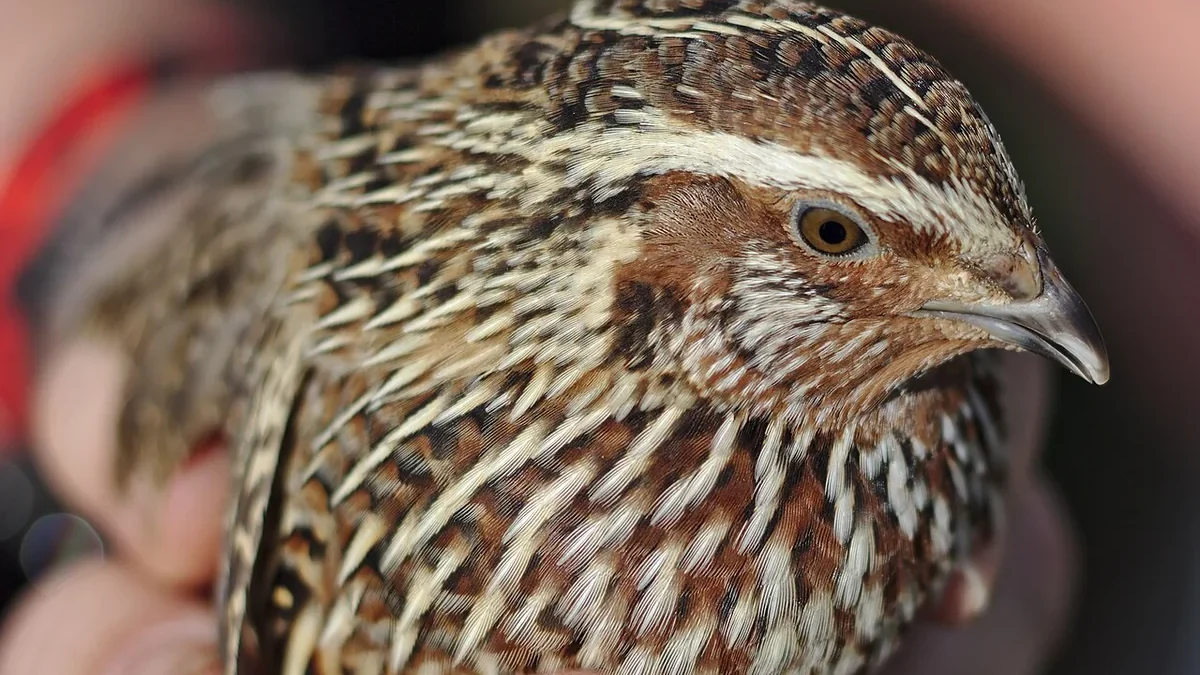

Identify the species and the purpose
“Quail” covers birds with different care, behavior and legal considerations. This guide focuses on domestic Japanese or Coturnix quail raised for eggs or meat, not a release program for native game birds. Check local keeping rules and any species-specific requirements before purchasing. Do not release domestic birds into the wild.
Choose a reputable source and ask about the strain, health and expected adult size. Coturnix can mature quickly, with laying sometimes beginning around six to eight weeks under suitable conditions, so the adult system must be ready well before the brooder becomes crowded. That timing is a general possibility, not a promised date for every bird.
Plan each life stage
| Stage | Priority | Common failure |
|---|---|---|
| Arrival and early brooding | Safe heat, tiny-particle suitable feed and protected water access | Escape gaps, soaking, drowning and failure to find food. |
| Growing birds | Increasing usable space and equipment access | Crowding before the adult enclosure is ready. |
| Egg flock | Suitable breeder/layer nutrition, stable social groups and collection access | Injuries, diluted diets and dirty hidden eggs. |
| Meat project | Appropriate complete feed and a humane processing plan | Buying birds before arranging their final use. |
Use species-specific guidance. Bobwhite feeding stages should not be copied automatically into a rapidly maturing Coturnix egg project.
Make the brooder safe for very small chicks
Test the heater and containment before arrival. Young quail can fit through very small gaps, so inspect joints, vents and mesh. Provide suitable footing, clean absorbent bedding and a cooler area away from heat. Use drinkers or protective arrangements designed to prevent small chicks entering the water. Avoid open pans and loose small objects that create other hazards.
Observe that every chick reaches feed and water. Use a layout that reduces corner piling if chicks startle. Increase space as they grow, and adjust guards when birds begin moving or flying so they cannot become stranded away from heat and water. Keep bedding dry and seek help promptly for weakness or abnormal movement.
Feed for species, age and production
Use a complete game-bird ration specified for the birds and their stage. Coturnix raised for meat and those kept for eggs do not follow the same final feeding program. Laying birds need a suitable breeder/layer diet, including appropriate minerals, rather than a meat finisher indefinitely. Confirm the product with a reliable supplier or nutrition specialist.
Do not replace that ration with seed mixes, scraps or insect treats. Medication approval and withdrawal requirements can differ among poultry species; obtain suitable veterinary advice and read labels rather than assuming a chicken product can be used in quail eggs or meat. Keep clean water available and feed protected from moisture and pests.
Design adult housing for welfare and inspection
Quail are ground-oriented birds that benefit from suitable substrate, cover, scratching, foraging and dust-bathing opportunities. Provide a secure dry environment, fresh air and a comfortable resting area. They can escape upward rapidly when startled, so enclosure design and calm approach should account for injury risks. Obtain species-appropriate housing advice rather than using a decorative cage size as a capacity rule.
Keep stable compatible groups and monitor injuries or exclusion around feed and water. A male is not required for unfertilized eggs. Mixed-sex breeding groups add social and management considerations. Do not crowd birds merely because their bodies are small.
A small egg-project example
For an illustrative small hen-only group, map feeding points, drinkers, cover, inspection access and egg collection before ordering chicks. Count usable space rather than the external footprint and select suitable allowances from appropriate guidance. Keep a separate isolation option and a backup plan for unexpected males. Plan for several months of adult care, not only the short route to first eggs.
Record feed use, injuries, useful egg output and cleaning time. If birds repeatedly fight or eggs are consistently dirty, change the system before adding more birds. Production alone does not show that the housing is working well.
Biosecurity and egg checklist
- Keep quail separate from wild birds and protect supplies from rodents.
- Use dedicated tools and a suitable isolation plan.
- Wash hands after birds, eggs and enclosure contact.
- Collect eggs frequently and discard cracked ones.
- Follow safe egg cleaning, refrigeration and cooking guidance.
- Keep animal equipment outside food-preparation areas.
Do not assume a small egg is free from ordinary food-safety concerns. Use professionally established processes for preservation rather than improvising pickled-egg storage.
Quail questions and mistakes
Are quail easier than chickens? Some tasks fit a small space, but tiny chicks and secure housing require careful management. Can I use ordinary chicken layer feed? Have the full nutritional suitability confirmed. Do I need males for eggs? Not for unfertilized eggs. What commonly fails? Unsafe water access, escape gaps, an unfinished adult enclosure and assuming every quail species shares one care schedule.
Sources & further reading
Official guidance and original source material used for the factual points in this guide. Planning examples and worksheets are our own illustrations.
- Mississippi State University Extension: Quail Feeding Programs
- Cooperative Extension: Raising Japanese Quail in Small and Backyard Flocks
- RSPCA: Quail — Natural History and Housing Guidance
- USDA APHIS: Defend the Flock — Biosecurity Basics
- CDC: Backyard Poultry — Healthy Pets, Healthy People
Checked 8 October 2026. Location-specific rules, availability and product specifications can change. Suggest a correction.