
Sources checked
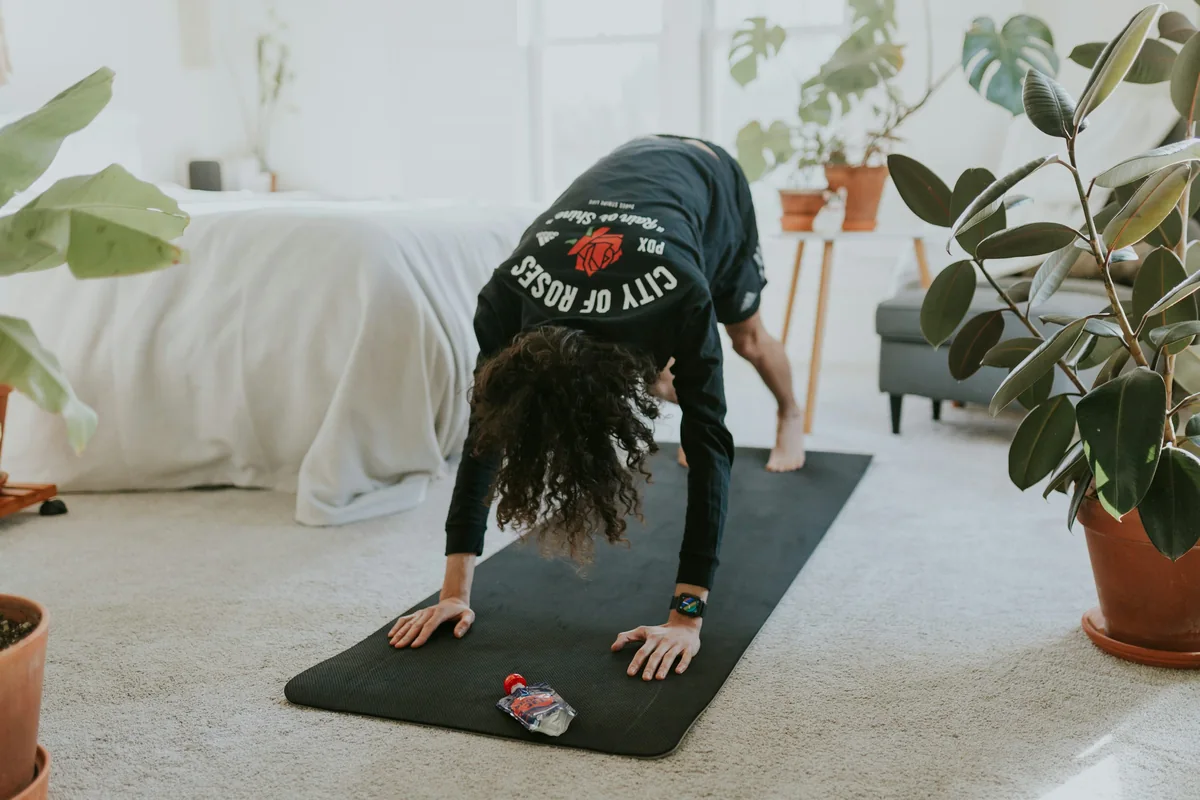
Simple means manageable, not the same program for everyone
A simple activity routine can reduce equipment and scheduling friction while keeping the exercise appropriate to your health, experience and goals. Walking, cycling or another suitable activity may fit everyday life; strength work can use suitable equipment or body-weight approaches with appropriate instruction. You do not need an elaborate collection to begin.
The CDC’s general guidance for adults includes at least 150 minutes of moderate-intensity aerobic activity per week and muscle-strengthening activity on at least two days. Individual needs and restrictions vary. Use relevant health or exercise guidance for your circumstances, especially when symptoms, conditions or a major change in activity warrant advice.
Plan the week before buying equipment
| Question | Planning choice |
|---|---|
| What is suitable now? | Activities matched to ability and health needs |
| Where can it happen? | A safe accessible route or adequate indoor space |
| When is it feasible? | Realistic windows including preparation |
| What instruction is needed? | Appropriate technique and progression support |
| What equipment solves a need? | Only items with a clear role and storage place |
| What is the fallback? | A suitable shorter option for a busy day |
A small home needs circulation and storage preserved. Do not use furniture, fixtures or improvised anchors as exercise equipment without suitability being established.
Use a scheduling example rather than a prescription
Five thirty-minute sessions total 150 minutes. Three fifty-minute sessions also total 150. Those are arithmetic examples for the aerobic guideline, not programs suited to every reader; strength activity and personal suitability remain separate considerations.
Start from your actual baseline and use appropriate progression rather than jumping to a schedule because it fits a calendar.
Keep the useful habit
Record consistency and how the routine fits, rather than treating a missed session as proof of failure. Choose activities you can reasonably access and enjoy. Review whether equipment purchases genuinely reduce friction.
Read the linked CDC guidance for its full context, and seek appropriate help for persistent symptoms or activity concerns. The daily routines guide helps place a suitable plan beside work, rest and household responsibilities.
Does simple exercise require no equipment?
No. A suitable item can make an activity easier or more appropriate. Choose equipment for a defined purpose and confirm safe use, storage and instruction. Avoid a no-equipment rule if it makes the actual activity less suitable for your health, experience or goals.
Sources & further reading
Official guidance and original source material used for the factual points in this guide. Planning examples and worksheets are our own illustrations.
Checked 8 October 2026. Location-specific rules, availability and product specifications can change. Suggest a correction.