
Sources checked
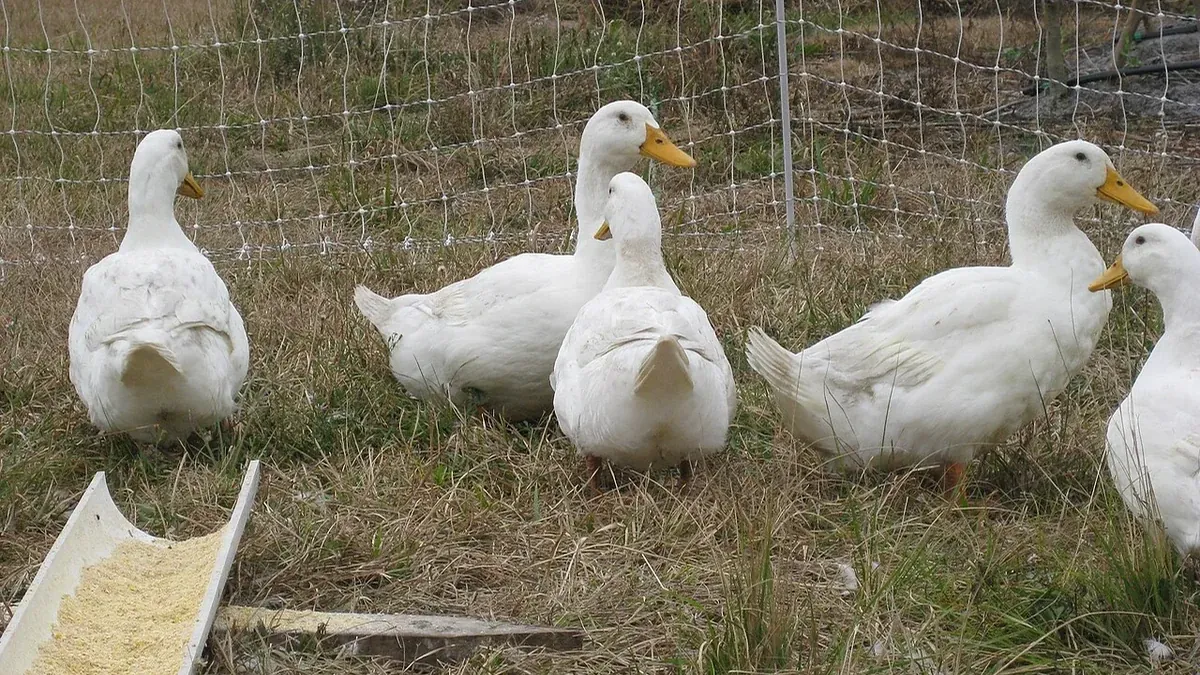

A meat project begins before the birds arrive
Define the scale, source, intended end point and the household’s capacity. Pekin is a common meat-oriented option, while Muscovy is a distinct species with different characteristics and management considerations. Other varieties or crosses may be offered, but compare the exact line and supplier information rather than relying on a ranked list.
Prepare suitable feed, water, brooding, housing and species-specific health guidance. Confirm an appropriate lawful processing arrangement or another complete long-term plan before purchase. Bird price and an expected growth figure do not describe the full enterprise.
A complete comparison
| Option or stage | Questions to resolve |
|---|---|
| Pekin | What actual line and management information does the source provide? |
| Muscovy | How do its species-specific needs affect the proposal? |
| Other varieties or crosses | What is the source, purpose and reliable performance information? |
| Feed and water | Which suitable products and equipment serve each stage? |
| Housing | How will drainage, litter, protection and cleaning work? |
| Processing | What provider, requirements, timing and costs apply? |
Do not assume every breed is interchangeable or that the fastest advertised growth creates the best household fit.
Budget the complete usable output
A household lists ducklings, complete feed, litter, equipment allocation, health and processing costs. It records losses and the usable result afterward. Comparing those costs with an equivalent purchase is more meaningful than dividing a feed bill by the initial number of birds.
Keep time, travel and cold-storage capacity visible. If a provider’s booking date changes, the housing and care plan must still support the birds appropriately.
Use a staged and observed project
Begin with a scale you can maintain and keep source and care records. Watch water spills, ground condition and normal behavior. Follow suitable hygiene and biosecurity guidance, including separation from household food-preparation areas.
Read duck management and egg-focused choices. A worthwhile project has a complete care and end-point plan, with performance judged from actual results rather than a universal processing schedule.
Sources & further reading
Official guidance and original source material used for the factual points in this guide. Planning examples and worksheets are our own illustrations.
- Cooperative Extension: Selecting a Duck Breed for Small or Backyard Poultry Flocks
- Cooperative Extension: Feeding Ducks Intended for Consumption
- Cooperative Extension: Feeding Ducks for Egg Production in Small Flocks
- Agriculture Victoria: Farmed Bird Welfare Science Review
- RSPCA: Indoor Housing for Pet Geese and Ducks
- USDA APHIS: Defend the Flock — Biosecurity Basics
- CDC: Backyard Poultry — Healthy Pets, Healthy People
Checked 8 October 2026. Location-specific rules, availability and product specifications can change. Suggest a correction.