
Sources checked
Start with meals and time
A first garden works best when its crops fit what you eat and its size fits what you can maintain. List a few vegetables you use often, then compare their needs with local growing conditions. A crop that is easy in one climate may be difficult in another. Choose a modest first area near water and a route you use every day; it is easier to notice a dry seedbed or a ripe bean when the garden is convenient.
Write down how much time you can give each week during the busiest harvest period. Include watering, weeding, inspection, picking and cleanup. Expanding planting space before these routines work can make the garden less useful.
Compare manageable first crops
| Candidate | Why it may suit a beginner | Main planning constraint |
|---|---|---|
| Leaf lettuce | Small staggered patches can supply useful harvests. | Suitable cool weather, moisture and heat-related bolting. |
| Radishes | Quick feedback on sowing and thinning. | Correct spacing, timely harvest and local temperature window. |
| Bush beans | Simple direct sowing in a suitable warm season. | Soil warmth and frequent picking. |
| Compact tomato | A purchased transplant avoids an indoor seed-starting setup. | Sun, adequate roots, support and watering. |
| Summer squash | Often productive where local conditions suit it. | Large mature spread and potentially more harvest than you need. |
Select only a few. The comparison is a starting point; local Extension recommendations and variety details should decide the final list.
Choose the simplest workable growing system
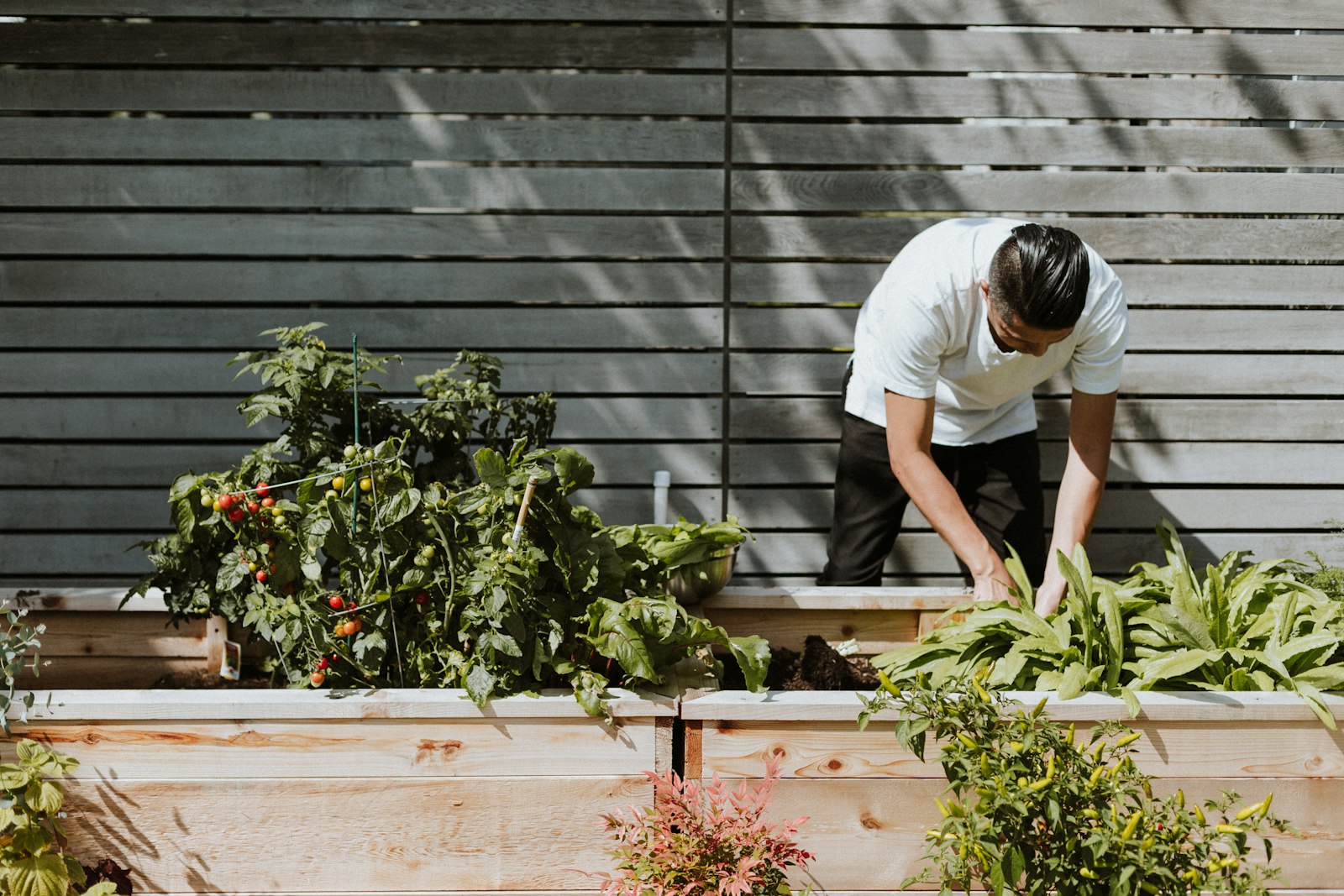
Use an in-ground bed where soil and drainage are suitable. A raised bed may improve access and drainage but adds material, soil and watering costs. Containers suit a patio or uncertain ground history, but require adequate root volume, drainage and a reliable growing medium. Do not expect a small decorative pot to support a large fruiting plant.
Check direct sunlight, water access and the history of the growing site. Obtain a suitable soil test and ask whether contaminant testing is needed. Plan a width you can reach from the path. Keep the growing area separate from animal manure handling and poultry equipment.
A first-season example
Imagine two reachable beds. Use the first for a small repeated salad sowing when local conditions permit. Use the second for a supported tomato and a manageable bean patch with variety-appropriate spacing. Draw the mature plants on paper, not just the tiny seedlings. Keep part of one bed available for a replacement or later round.
At the end of the season, assess which vegetables were used, how much time the beds required and what repeatedly failed. Add one new crop or a little more space only after solving the main limiting problem.
Build a repeatable routine
- During establishment: inspect seeds and transplants frequently and check root-zone moisture.
- Each week: weed while small, inspect pests, check supports and clean tools.
- At harvest: pick at the correct stage and record what you use.
- Between crops: remove exhausted plants, prepare the next sowing and adjust nutrients from guidance.
- At season end: compare costs, yields and effort before buying more equipment.
A simple drip or soaker system can make watering easier, but inspect it regularly. Mulch can reduce exposed soil and weeds, yet it does not replace checking moisture or keeping weeds from establishing around the bed. Labels and a notebook often solve more early problems than extra gadgets.
One practical next step
Choose one expansion rule, such as completing a full season without losing plants to a known watering problem. Keep that rule visible when winter catalogs arrive. If watering remains difficult, improve access or irrigation before adding another bed. If harvests go unused, change the crop mix or sowing quantity rather than assuming that a larger garden will be more rewarding.
Mistakes and beginner questions
Planting an entire packet can create overcrowding and a harvest glut. Trying indoor seed raising, composting, irrigation construction and ten unfamiliar crops at once can overwhelm a first season. Avoid assuming that more fertilizer fixes every slow plant; light, cold soil, roots and water can be the real issue.
Must I grow everything from seed? No. Use direct sowing where straightforward and buy selected healthy transplants. Will gardening automatically save money? Compare actual costs and useful harvests; setup costs and losses matter. How do I know when to expand? When the current area remains healthy, accessible and useful during its busiest weeks.
Sources & further reading
Official guidance and original source material used for the factual points in this guide. Planning examples and worksheets are our own illustrations.
- University of Maryland Extension: How to Start a Vegetable Garden
- University of Maryland Extension: When to Plant Vegetables
- University of Maryland Extension: Growing Vegetables in Containers and Salad Tables
- University of Maryland Extension: Soil Testing and Soil Testing Labs
Checked 8 October 2026. Location-specific rules, availability and product specifications can change. Suggest a correction.