
Sources checked
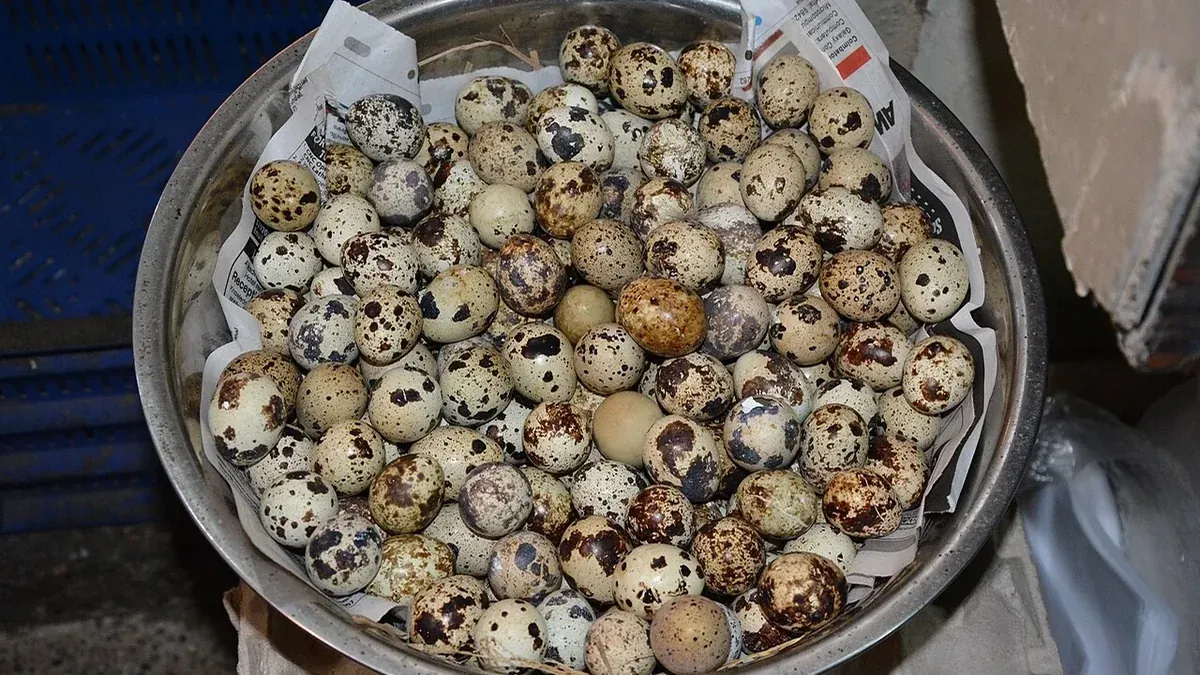

An egg flock needs a complete adult plan
Japanese or Coturnix quail can be kept for eggs where the local proposal and care arrangement are suitable. Confirm species, source, sex and life stage. Females can lay without a male; fertility and breeding are separate goals. Do not keep extra males merely because hatching supplied them.
Use species-appropriate feeding and welfare guidance, including the linked extension and RSPCA resources. Egg output varies with birds and conditions. A generic small-cage photograph or an advertised count cannot establish a suitable enclosure or complete management plan.
Coordinate the adult system
| Element | Planning question |
|---|---|
| Housing | Can birds move, shelter and be observed under suitable species guidance? |
| Feed | Is the product appropriate to adult laying quail? |
| Water | Can clean water remain accessible without creating recurring problems? |
| Light and routine | What does relevant guidance require, and how is rest / welfare addressed? |
| Egg collection | Can eggs be found and handled appropriately? |
| Health and biosecurity | What observation, source and service plan is available? |
Keep the ability to inspect individual birds central. Convenience for collecting eggs is not the only housing criterion.
Plan household use transparently
A household records its desired weekly use of small eggs and tests a modest flock scenario. It compares the assumed usable production with housing, feed and care capacity, then revises from actual records. A universal egg-per-bird figure is not required to make the first decision.
Include suitable handling and storage. Selling eggs or products introduces local requirements that need a separate review.
Review the flock’s whole cost and welfare
Record complete feed, equipment, litter, work, health costs and usable eggs. If output changes, assess the actual conditions with appropriate help rather than automatically adding birds or supplements. Keep backup care ready for daily tasks.
Read chick preparation and the full quail guide. A productive flock is useful when welfare, care and household demand work together.
Do you need to hatch more birds to keep an egg flock?
Hatching is a separate project, not a requirement for enjoying a small adult flock. Any replacement plan needs source, health, housing and care capacity reviewed. Decide how future birds will be managed before creating an ongoing breeding enterprise.
Sources & further reading
Official guidance and original source material used for the factual points in this guide. Planning examples and worksheets are our own illustrations.
- Mississippi State University Extension: Quail Feeding Programs
- Cooperative Extension: Raising Japanese Quail in Small and Backyard Flocks
- RSPCA: Quail — Natural History and Housing Guidance
- USDA APHIS: Defend the Flock — Biosecurity Basics
- CDC: Backyard Poultry — Healthy Pets, Healthy People
Checked 8 October 2026. Location-specific rules, availability and product specifications can change. Suggest a correction.