
Sources checked
Begin with wear rather than a new shopping identity
Slow fashion can be a practical approach to buying and using clothing more deliberately. Start with the garments you already wear, the jobs they perform and the reason other items remain unused. A new wardrobe of supposedly perfect pieces can create another purchase cycle instead of solving the original problem.
Keep climate, work, health, fit and laundry in view. Clothing needs differ. A useful garment is one that can be worn comfortably for its intended role and cared for within your routine. Avoid assuming a high price or a marketing label proves durability or a particular production claim.
A clothing decision sequence
| Decision | What to check |
|---|---|
| Use existing | Does the garment fit and serve a current role? |
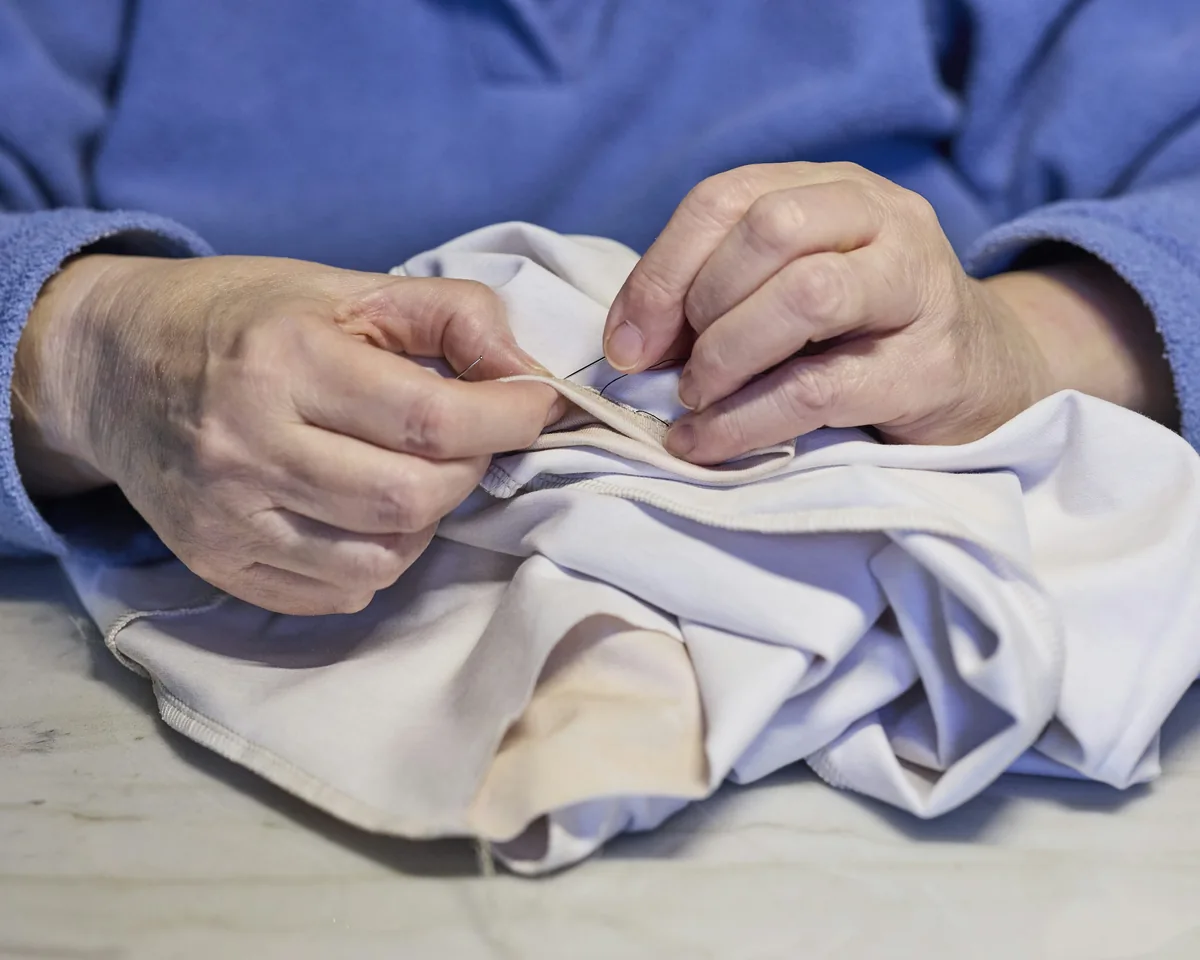
| Repair or alter | Can suitable work restore useful wear at a worthwhile cost? |
| Buy secondhand | Can you check fit, condition, care and return terms? |
| Buy new | What exact gap does it fill, and how will it be used? |
| Release | Is the recipient or collection route suitable for its condition? |
Follow care labels and use appropriate repair help when needed. A repair is worthwhile when the result will actually be used, not simply because every garment must be saved indefinitely.
Compare cost through realistic wear
A fictional garment costing 60 and worn 60 times has a simple purchase-cost ratio of 1 per wear. Another costing 20 and worn twice has a ratio of 10. This arithmetic excludes care and repair and cannot predict actual wear, but it illustrates why a low purchase price alone is incomplete.
Use the calculation cautiously. Do not justify an unnecessary purchase through an imagined large future wear count.
Keep the wardrobe workable
Organize around activities and laundering rather than a fixed item target. Review repeated gaps or unworn purchases before buying again. Suitable resale, donation and textile collection depend on condition and local acceptance policies.
Read the practical wardrobe guide to plan a usable set and footwear decisions for the separate needs of shoes. The useful result is clothing that supports daily life with less avoidable replacement and waste.
Sources & further reading
Official guidance and original source material used for the factual points in this guide. Planning examples and worksheets are our own illustrations.
Checked 8 October 2026. Location-specific rules, availability and product specifications can change. Suggest a correction.