
Sources checked
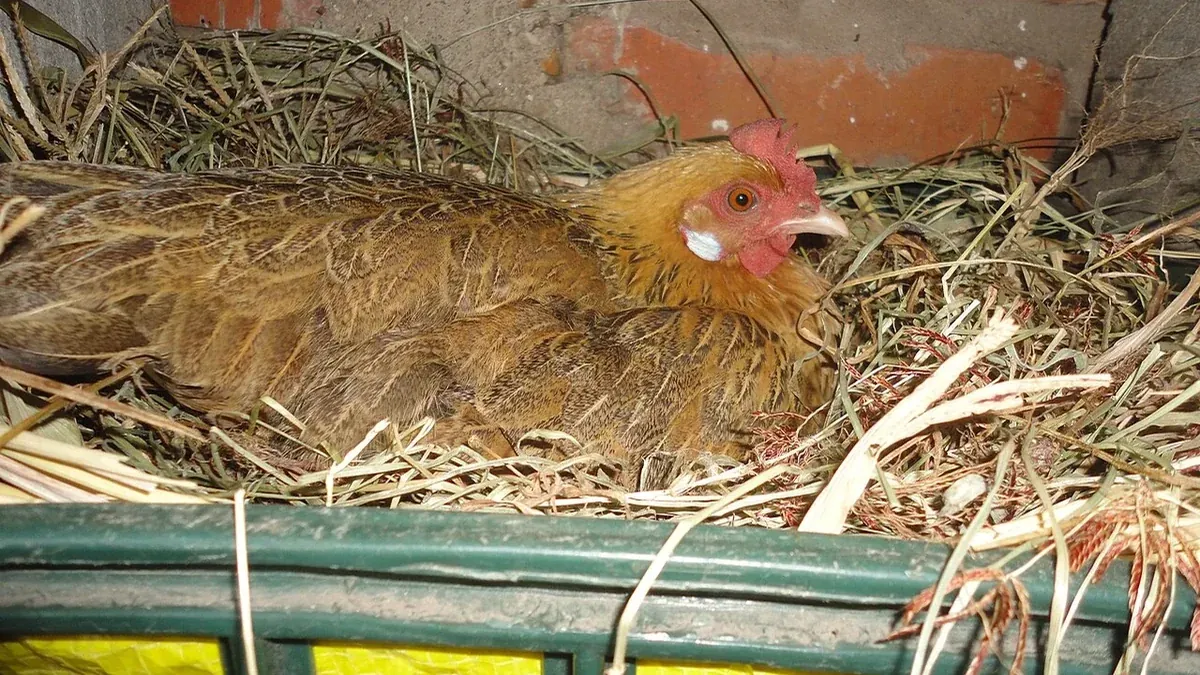

Choose a nest for birds and daily work
A nesting area should suit the actual hens and allow inspection, cleaning and egg collection. Use husbandry guidance for the flock’s size and management. A repurposed container can be useful only if its material, condition, edges, stability and dimensions are appropriate; low price alone is not enough.
Coordinate nest placement with roosting, ventilation, cleaning and human access. The nest is one part of the coop. Avoid creating inaccessible corners or an egg-collection door that compromises weather or predator protection.
Compare design approaches
| Approach | Potential use | Check |
|---|---|---|
| Fixed timber nest | A integrated accessible laying area | Suitable construction and cleanable surfaces |
| Suitable removable insert | Easier removal for cleaning | Secure placement and bird fit |
| External-access arrangement | Collection without entering the whole coop | Weather seals, latches and inspection access |
| Repurposed container | A low-cost option where appropriate | Material history, edges, stability and dimensions |
| Movable housing / tractor | Controlled use of different ground areas | Protection, shelter, water, feed and movement effort |
Use appropriate bedding and inspect its condition. Do not treat a nest design as a guarantee of clean eggs or a substitute for ordinary care.
Test maintenance before filling the coop
A keeper rehearses removing the bedding and reaching each nest. A narrow decorative opening makes cleaning difficult, so the drawing gains a suitable service opening before birds arrive. That change can save repeated awkward work throughout the coop’s use.
For a chicken tractor, rehearse moving the actual structure, supplying water and feed, and protecting birds during and after movement. The ground and predator environment change with location.
Keep movement and care coordinated
Record the rotation plan and inspect drainage, vegetation and mud. A movable structure is not automatically a complete diet, a care-capacity increase or protection against every predator. Daily observation and a reliable absence plan remain necessary.
Read the coop brief and complete feeding. Choose a nest or tractor arrangement because it works for the birds and caregiver, not because an inexpensive example looks easy online.
Sources & further reading
Official guidance and original source material used for the factual points in this guide. Planning examples and worksheets are our own illustrations.
- University of Minnesota Extension: Raising chickens for eggs
- USDA APHIS: Defend the Flock — Biosecurity Basics
- CDC: Backyard Poultry — Healthy Pets, Healthy People
- University of Maryland Extension: Growing Vegetables in Raised Beds
Checked 8 October 2026. Location-specific rules, availability and product specifications can change. Suggest a correction.