
Sources checked
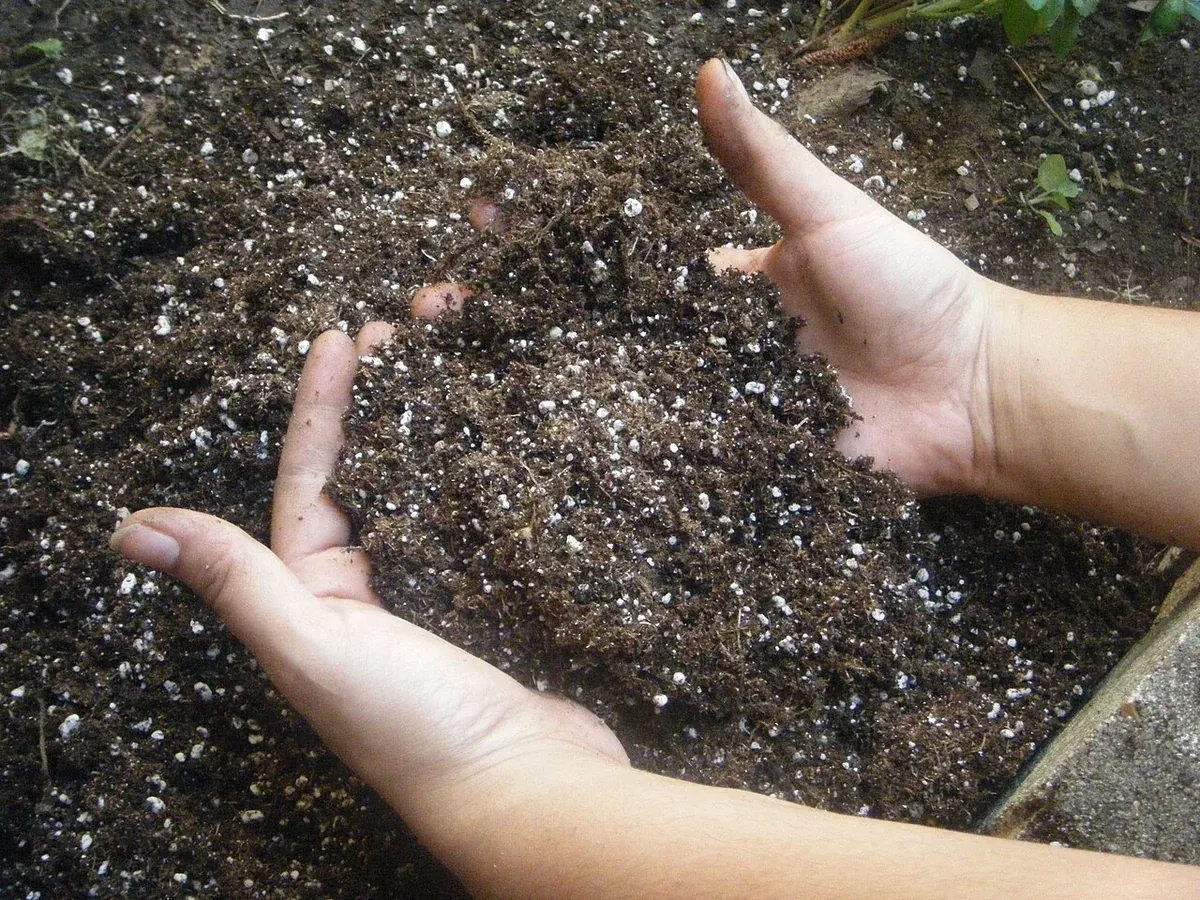

Inspect the site before amending it
Good garden soil provides roots with water, air and nutrients. Before buying amendments, observe drainage after rain, compaction from foot traffic and the history of the site. A former industrial area, old painted structure or unknown fill may require contaminant testing as well as a fertility test. A routine nutrient test does not automatically test every contaminant; ask the laboratory what is included and consult local guidance for food growing.
Check soil moisture before digging. If it smears and sticks to tools, wait. Keep walking and wheelbarrow traffic on paths, because repeated pressure can undo soil improvements. Decide whether poor drainage needs a location change, a raised growing area or professional assessment rather than assuming compost will solve it.
Know what each test or observation answers
| Question | Useful information | What it does not prove |
|---|---|---|
| Does the soil need nutrients or pH adjustment? | A laboratory fertility test with garden-specific recommendations. | That all slow growth is nutrient deficiency. |
| Is the growing site contaminated? | A site-history review and appropriate contaminant tests. | That a normal basic fertility result makes every site safe. |
| Will water drain and roots penetrate? | Observation, soil structure and drainage assessment. | That one texture label fully describes the bed. |
| Is a container medium suitable? | Drainage, root volume and the product’s intended use. | That ordinary garden soil will perform well in a small pot. |
Soil texture describes the proportions of sand, silt and clay. Structure describes how particles form aggregates. You can improve management and structure without turning clay soil into sandy soil.
Take a representative sample
Follow your chosen laboratory’s sampling instructions. Take separate samples for distinctly different beds or areas. Combine the recommended number of small samples from the actual rooting zone using a clean tool and container. Avoid selecting only the best-looking corner or a spot where fertilizer was recently spilled. Label the sample with its location and intended crops.
Keep the report and record any amendments applied. Recommendations may use different units, so check whether quantities refer to a product or to the actual nutrient. Ask Extension to help interpret unfamiliar results rather than converting units by intuition.
Improve structure with appropriate materials
Finished compost can contribute organic matter and improve soil structure, but it is not a universal replacement for crop nutrition. Use suitable amounts based on existing soil, the compost’s properties and local recommendations. Repeated large additions of manure-rich compost can add more nutrients than a bed needs. Keep fresh manure and animal bedding out of ready-to-harvest vegetable areas and follow food-safety guidance for their eventual use.
Avoid adding lime, Epsom salts or a fertilizer blend without evidence that the relevant adjustment is needed. Small additions of sand are not a dependable way to repair heavy clay. For containers, choose a growing medium designed to hold both moisture and air in a limited volume.
A volume calculation for a small bed
Suppose local guidance and your soil condition justify a 2-inch compost layer across a 4-by-8-foot bed. The area is 32 square feet. Convert 2 inches to one-sixth of a foot: 32 × 1/6 = about 5.3 cubic feet of compost before settling. That arithmetic helps price the material; the example depth is not a recommendation for every bed.
If an amendment is specified in pounds per 1,000 square feet, first calculate the bed’s share of that area. Do not apply the amount for a large garden to a single small bed. Use a scale for small fertilizer quantities and follow the label and soil-test recommendation.
Prepare and maintain a reachable bed
- Remove persistent weeds before planting.
- Keep bed widths within your comfortable reach.
- Separate paths from the root zone.
- Make a fine seedbed for small seeds without over-packing it.
- Keep soil protected between crops with a suitable mulch or cover crop.
- Check water movement after adding soil or changing the bed’s grade.
Do not till automatically every season. Assess the actual problem first. Strong roots, drainage, moisture management and avoiding compaction matter more than the appearance of freshly churned soil. A bed that is easy to reach is easier to weed and harvest without damaging its structure.
Soil mistakes and questions
Will more compost always improve soil? No; compost quality, nutrients and existing soil conditions matter. Can fertilizer fix drainage? No. Do raised beds eliminate concern about underlying soil? Roots can grow downward, and site history still matters. Why are leaves pale despite fertilizer? Investigate waterlogged roots, cold, light, crowding and pests along with nutrient needs. Retest according to local recommendations and keep the results with your garden records.
Sources & further reading
Official guidance and original source material used for the factual points in this guide. Planning examples and worksheets are our own illustrations.
- University of Maryland Extension: Soil Testing and Soil Testing Labs
- University of Maryland Extension: Organic Matter and Soil Amendments
- University of Maryland Extension: Fertilizing Vegetable Gardens
- University of Maryland Extension: Growing Vegetables in Raised Beds
- University of Maryland Extension: Growing Vegetables in Containers and Salad Tables
Checked 8 October 2026. Location-specific rules, availability and product specifications can change. Suggest a correction.