
Sources checked
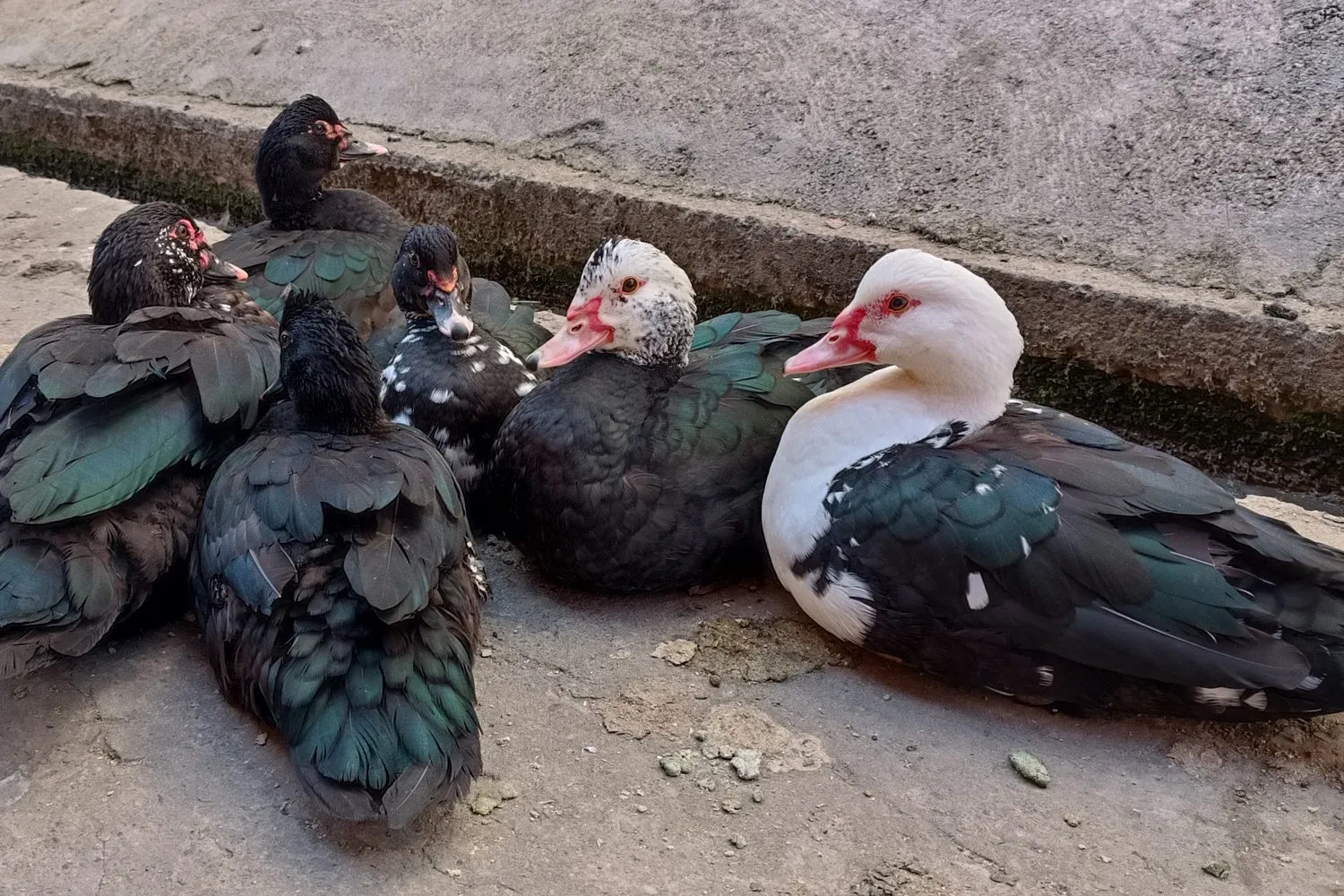

Choose The Flock For Your Actual Site
Before choosing birds, write down the purpose of the flock, the space and time available, and the local permissions that apply. Ask the supplier about the birds’ age, history, intended use and any health documentation. Arrange access to appropriate veterinary advice before there is a problem rather than after the birds arrive.
A decision based on one attractive trait can overlook housing, feeding and wet-area maintenance. If this is your first waterfowl project, plan a small trial that your household can care for every day, including during work, travel and difficult weather.
Housing Must Account For Flight
Cornell’s duck-management guidance distinguishes Muscovies from Pekins when discussing containment: Muscovies can become airborne, so fencing suitable for a nonflying Pekin flock is not automatically adequate. Plan containment and predator protection for the actual birds, and discuss welfare implications of any proposed management method with a qualified adviser.
Walk the boundary, shelter entrances and care route. Identify where birds could escape or encounter hazards. Put secure nighttime shelter, routine inspection and a way to bring birds inside into the plan. Avoid relying on clipping or a single low fence as a substitute for a well-considered enclosure.
Water And Dry Resting Areas Work Together
Cornell recommends locating duck shelter on high, well-drained ground and providing dry, absorbent bedding. It also discusses water access that accommodates the duck’s bill. Consider the birds’ drinking and behavioral needs alongside drainage, cleaning and the ability to keep resting areas dry. Water availability does not solve wet-litter management by itself.
Map where spilled water and rain will go, how you will replace bedding and where equipment can be cleaned. If the planned water station repeatedly wets the shelter, revise its location or design. Keep observations on weather, bedding changes and the time needed to restore a dry resting area.
Create A Care Plan You Can Hand To Someone Else
| Responsibility | Before Birds Arrive | During The Trial |
|---|---|---|
| Housing | Prepare a secure shelter and suitable containment | Inspect closures, surfaces and resting conditions. |
| Water | Arrange accessible water and a cleaning route | Check access and address wet areas. |
| Feeding | Agree on an appropriate complete ration for age and purpose | Track use and ask qualified help about changes. |
| Health | Identify veterinary advice and a way to separate a bird when needed | Observe changes and report concerns promptly. |
| Care cover | Write instructions and choose a backup carer | Confirm someone else can perform the routine. |
Do not assume garden foraging replaces an appropriate feeding program. Match the ration and management to the birds’ stage and purpose with a qualified source. A feed label, supplier instructions and veterinary advice are more useful than general claims that one duck is self-sufficient.
Set Limits Before Expanding
Review how the first flock affects care time, bedding, feed, water and the site. Count the work as well as the appealing result. If breeding is part of the plan, arrange appropriate facilities, a responsible destination for offspring and competent advice before allowing the flock to increase.
Compare the trial with your original purpose. A useful next step may be improving drainage or reducing daily friction rather than adding birds. Keep the care record and site changes together so the decision to expand follows evidence from your own project.
Sources & further reading
Official guidance and original source material used for the factual points in this guide. Planning examples and worksheets are our own illustrations.
Checked 8 October 2026. Location-specific rules, availability and product specifications can change. Suggest a correction.