
Sources checked
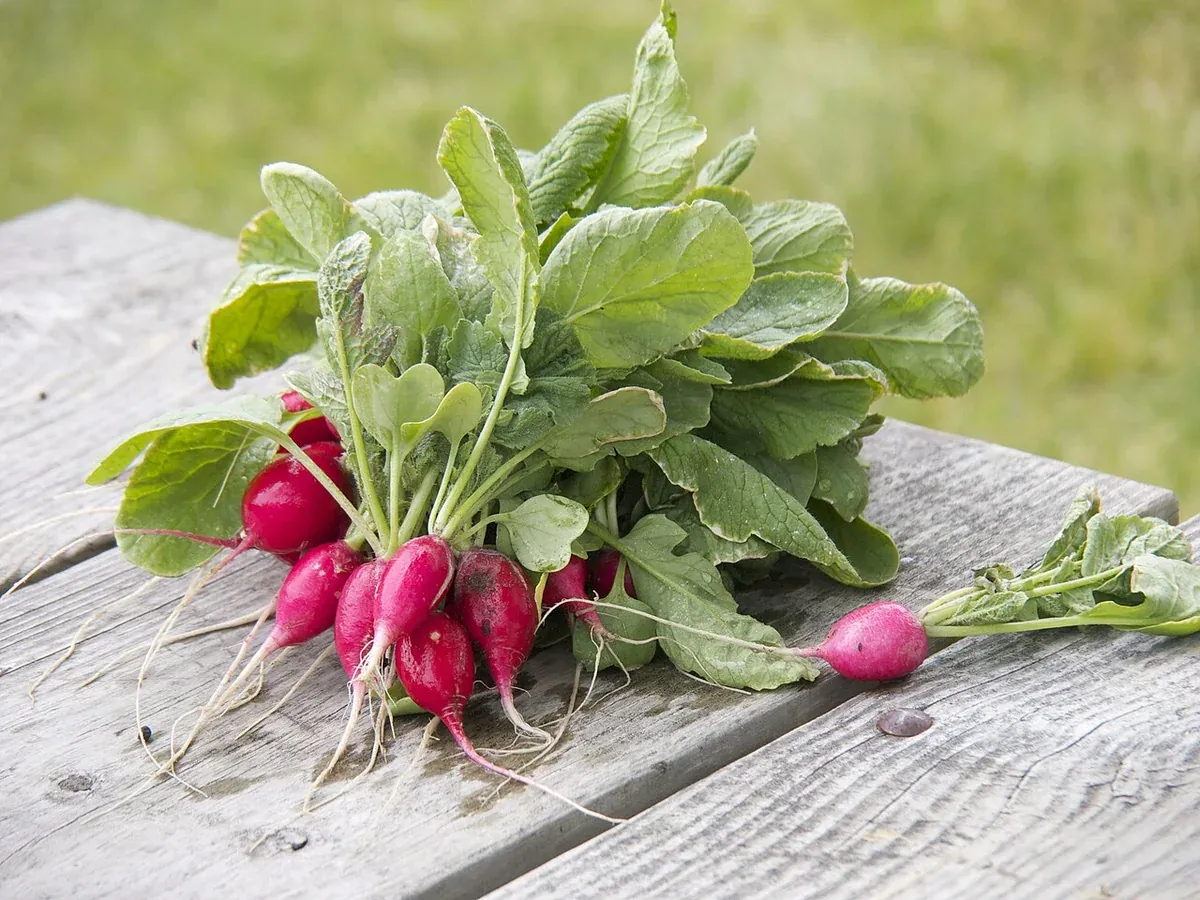

Easy is a match between the plant and the place
A vegetable is easier when the season, light, soil or growing mix, water and household routine suit it. Begin with a few foods you regularly eat and check local planting guidance. Avoid using a global list as a calendar. A cool-season crop may struggle in summer heat, while a warm-season crop can fail if planted into cold conditions.
Use containers or beds that you can water and reach reliably. Choose a modest first planting and record what succeeds. A manageable harvest of familiar food is more useful than a large selection that matures when you cannot use it.
Options to compare
| Crop | Why consider it | Condition to check |
|---|---|---|
| Leaf lettuce | Small repeated harvests or baby leaves | Local cool-season timing and heat response |
| Radish | A short crop cycle in suitable conditions | Moisture and timely harvest |
| Bush beans | A relatively compact warm-season crop | Suitable soil warmth, light and sowing window |
| Chard | A leaf crop with repeated harvest potential | Local climate, watering and mature spacing |
| Zucchini / summer squash | Useful warm-season production | Mature size, pests and enough household demand |
These are candidates, not guarantees. Use the selected variety’s maturity and spacing information together with local extension guidance.
Create a first-bed scenario
A beginner reserves a small accessible area for lettuce in its suitable local window, plus a limited warm-season planting later. They record sowing date, watering, pests and useful harvest. This tests two different crop needs without turning every available space into a chore.
For containers, check mature root and plant needs and follow suitable growing-mix guidance. A compact-looking seedling does not reveal the final footprint.
Review the crop before repeating it
Record useful yield, watering effort, losses and whether the food was actually eaten. Keep the crops that fit the place and household. Change variety, timing or growing method when evidence suggests a better fit.
Use the planting-date worksheet, spacing guidance and a manageable garden plan. Begin with local conditions and a workable routine, then expand from your first season’s results.
Sources & further reading
Official guidance and original source material used for the factual points in this guide. Planning examples and worksheets are our own illustrations.
- University of Maryland Extension: How to Start a Vegetable Garden
- University of Maryland Extension: When to Plant Vegetables
- University of Maryland Extension: Growing Vegetables in Containers and Salad Tables
- University of Maryland Extension: Soil Testing and Soil Testing Labs
- University of Minnesota Extension: Planting the vegetable garden
- University of Maryland Extension: Vegetable Succession and Companion Planting
Checked 8 October 2026. Location-specific rules, availability and product specifications can change. Suggest a correction.