
Sources checked
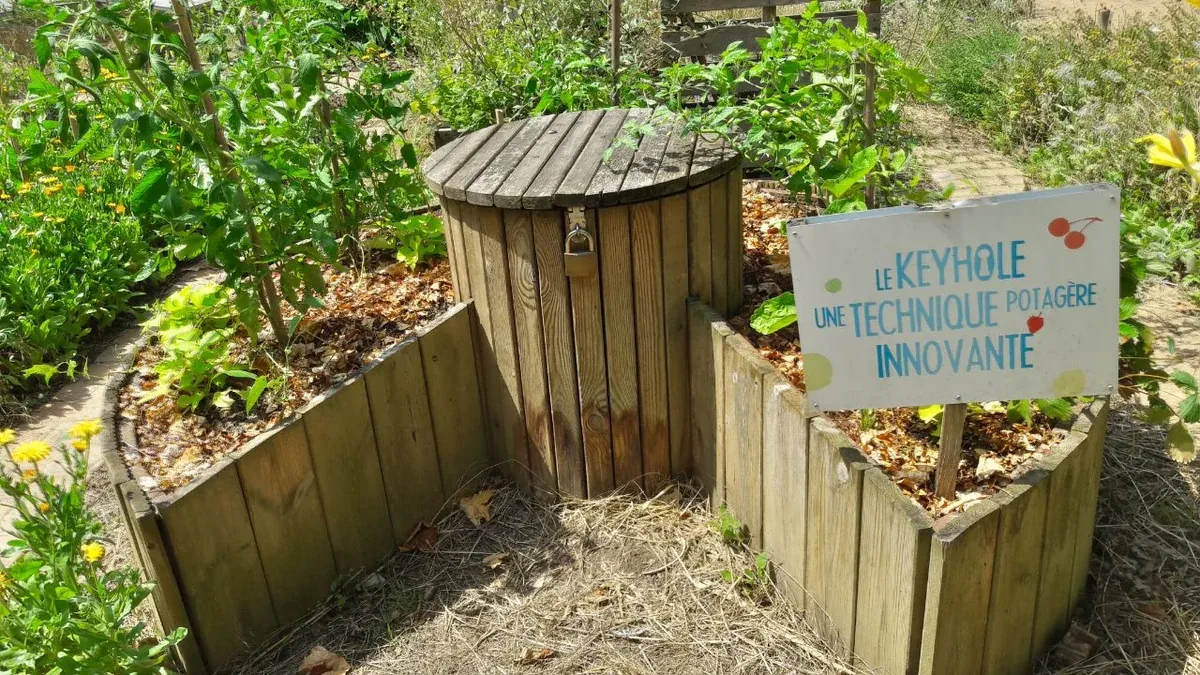

Understand the access idea
A keyhole garden commonly uses a rounded bed with a narrow access notch toward its center. Some versions include a central compost basket. The purpose is to make the growing area reachable without walking over the soil. The shape does not establish a universally better yield or a maintenance-free growing system.
Compare the concept with a conventional bed using the person who will garden, the available space, water and material supply. A circle that is too large to reach can be less practical than a simple narrow bed. The design should fit the actual working route.
Decisions to make before building
| Element | Question |
|---|---|
| Reach | Can the gardener comfortably reach the productive area from the edge or notch? |
| Height | Does the height suit the user, structure and available fill? |
| Materials | Are the frame and fill suitable for food growing? |
| Water | Can the bed be watered reliably and drained appropriately? |
| Compost basket | What suitable material and maintenance will it require? |
| Access | Can tools and harvest be moved without awkward paths? |
Use soil and compost guidance appropriate to your location. A central basket does not replace assessing soil, crop needs or proper compost management.
Compare area and work honestly
A circular concept with a 1.5 m radius has a gross area of about 7.07 square metres before subtracting the access notch and any basket. That headline area is not the planted area. Draw the exact access footprint, calculate fill volume and test reach before purchasing material.
Mark where maintenance of the basket or watering arrangement happens. If those tasks are difficult, revise the design instead of relying on its attractive outline.
Build a first-season trial
Start with a scope you can fill and maintain. Choose suitable crops and record moisture, access, useful harvest and work time. Compare the result with an ordinary bed rather than assuming the special shape is inherently more productive.
Read bed cost planning, soil preparation and planting combinations. Use the keyhole concept when it solves a real access or layout need.
Sources & further reading
Official guidance and original source material used for the factual points in this guide. Planning examples and worksheets are our own illustrations.
- University of Maryland Extension: Growing Vegetables in Raised Beds
- University of Maryland Extension: How to Make Compost at Home
- University of Maryland Extension: Soil Testing and Soil Testing Labs
- University of Maryland Extension: Growing Vegetables in Containers and Salad Tables
Checked 8 October 2026. Location-specific rules, availability and product specifications can change. Suggest a correction.