
Sources checked
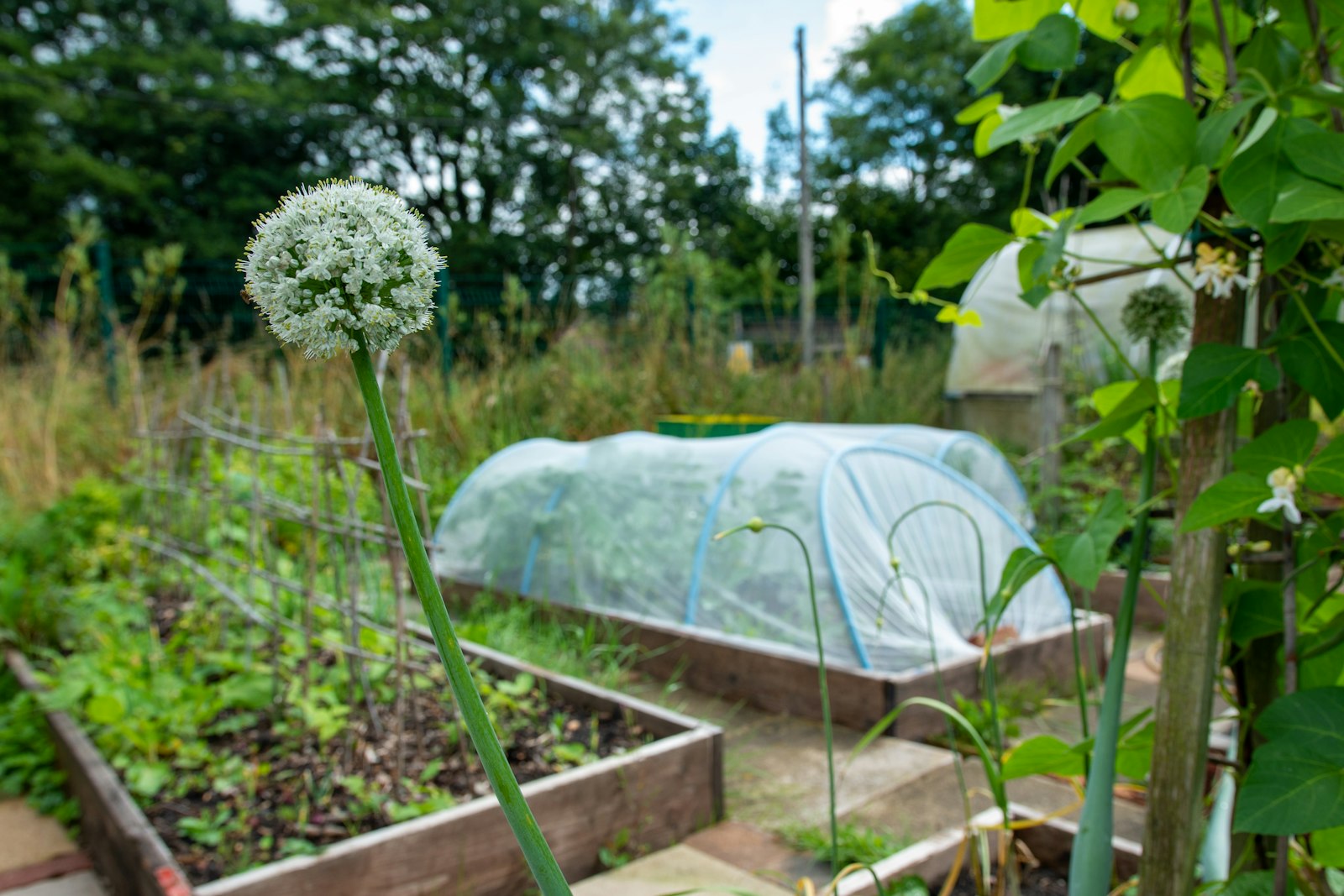
Choose the problem the bed must solve
A garden bed should improve access, drainage, root space or organization. It does not need an elaborate frame to work. Where existing soil is suitable, an in-ground bed or a low mound can cost less than a tall structure. Raised beds can offer easier reach and looser soil but usually require more materials, imported soil and watering. Price the entire system before choosing the shape.
Check site history and underlying soil conditions. Raising the surface does not make contamination concerns disappear, because roots may extend downward and people still contact surrounding soil. Plan drainage away from buildings and keep paths usable after rain.
Compare three layouts
| Layout | Useful when | Costs or limitations |
|---|---|---|
| In-ground or low mound | Existing soil and drainage are suitable | Weed preparation and soil improvement may still be needed. |
| Rectangular raised bed | Defined paths, extra soil depth or accessible reach are needed | Frames, fill and irrigation can dominate the budget. |
| Keyhole-shaped bed | A central access notch improves reach in a compact area | Curved walls and a compost basket can complicate construction and management. |
A keyhole garden is defined by access into the bed, often through a narrow notch. Some versions include a central compost basket. The basket is optional; it is not proof that the bed will water or fertilize itself.
Build with known materials and safe access
Use materials with a known history and suitable structural strength. Avoid railroad ties, unknown coated scrap and questionable salvaged containers around edible crops. If considering treated lumber, review current Extension guidance for the treatment and use rather than assuming every product is identical. Remove sharp edges and use fastening methods that resist soil pressure.
Make the bed only as wide as you can reach comfortably. A common rectangular design allows access from both sides, but your mobility and tools should set the dimensions. A tall bed needs bracing and stable foundations. An accessible bed also needs a path and working position that suits the gardener.
Calculate fill before cutting lumber
For an illustrative 4-by-8-foot bed filled 12 inches deep, the volume is 4 × 8 × 1 = 32 cubic feet, or about 1.2 cubic yards before settling. The calculation assumes the whole depth needs fill. If the bed sits over usable soil, a different depth or amendment plan may be appropriate. Compare bulk delivery with bag costs and include delivery access.
Do not replace the rooting zone with untreated fresh woody material merely to reduce soil cost without understanding settling and nutrient effects. Choose a soil blend or growing medium suited to the bed, its depth and drainage. Containers and beds over hard surfaces require different root-zone planning from beds open to usable ground.
Manage a keyhole compost basket realistically
If you include a basket, keep it accessible for adding, inspecting and removing material. Use appropriate compost ingredients and keep meat, greasy scraps and other pest-attracting material out of an ordinary home compost system. A small basket may not heat uniformly or make finished compost quickly. Watch for rodents, odors, excess moisture and roots that make maintenance difficult.
Give plants a reliable watering system independent of the basket. Check moisture around the bed because water distribution can be uneven. The notch should remain a path, not another planting space that you have to crush to reach the center.
A budget checklist
- Measure the footprint, reach and path widths.
- Price frame materials, fasteners, soil, delivery and irrigation separately.
- Inspect site drainage and get appropriate soil information.
- Choose the simplest structure that solves the problem.
- Keep a repair and settling allowance in the budget.
- Plan how the bed will be watered and harvested during your busiest week.
An inexpensive frame can become costly once filled. Reusing materials is useful only when they are appropriate and their condition does not create avoidable rebuilding work.
Bed questions and common mistakes
Are raised beds always better? No; assess soil, access, drainage and costs. Does a keyhole basket replace fertilizer? Do not assume that; assess crop needs and soil recommendations. Can I put a bed on concrete? It needs adequate root depth, drainage and a suitable growing medium. What often fails? Beds too wide to reach, under-braced walls, poor-quality fill and irrigation planned only after planting.
Sources & further reading
Official guidance and original source material used for the factual points in this guide. Planning examples and worksheets are our own illustrations.
- University of Maryland Extension: Growing Vegetables in Raised Beds
- University of Maryland Extension: How to Make Compost at Home
- University of Maryland Extension: Soil Testing and Soil Testing Labs
- University of Maryland Extension: Growing Vegetables in Containers and Salad Tables
Checked 8 October 2026. Location-specific rules, availability and product specifications can change. Suggest a correction.