
Sources checked
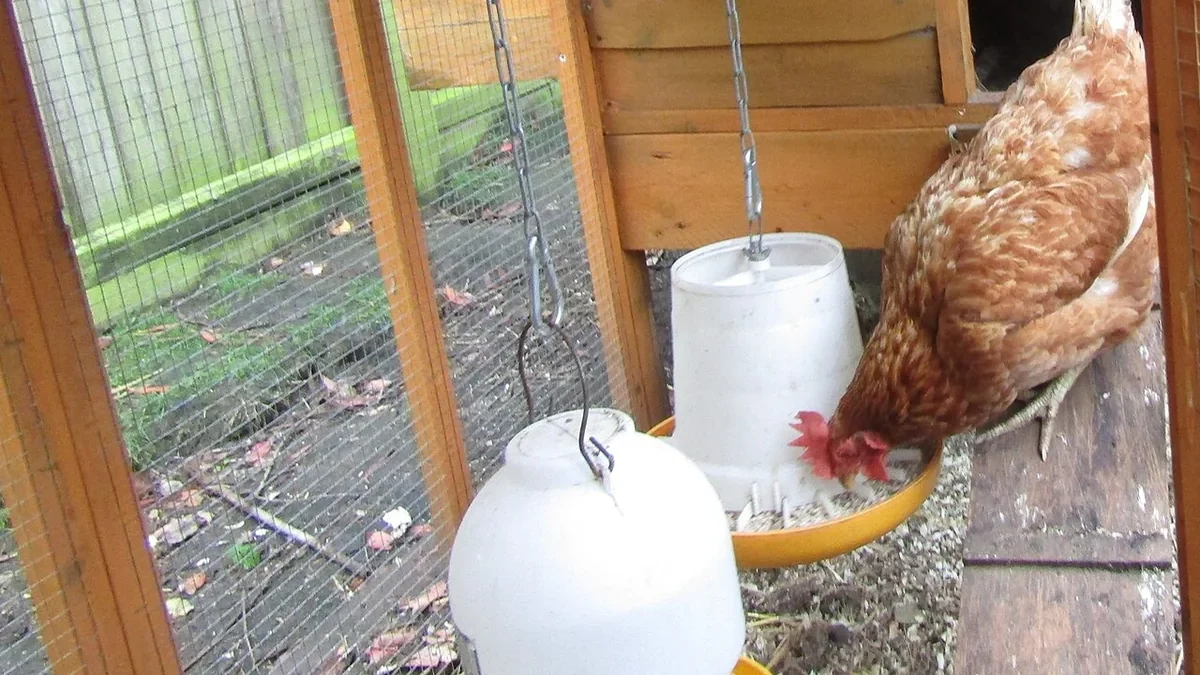

Keep a complete ration as the foundation
Small-flock chickens need a balanced supply of energy, protein, amino acids, vitamins and minerals. The practical starting point is a reputable complete feed labeled for the birds’ species, age and production stage. Chicks, growing pullets and laying hens do not need identical rations. Read the bag and follow supplier guidance for transitions.
Foraging, garden scraps, scratch grain and home-grown ingredients can add variety, but they are not automatically balanced replacements. A homemade feed program requires proper formulation and quality control. Saving the purchase price of feed is not a saving if growth, health or egg production declines.
Match the product to the bird
| Bird or material | Role | Important distinction |
|---|---|---|
| Chick starter | Growth ration for suitable young chicks | Adult layer feed is not a starter. |
| Grower or developer | Growing birds before laying | Follow the product’s transition instructions. |
| Layer ration | Nutrition for laying hens | Calcium needs differ from those of growing birds. |
| Scratch and treats | Limited extras | They can dilute a complete ration when given excessively. |
| Grit | Helps grind suitable coarse feed material | It is not the same as calcium supplementation. |
| Oyster shell or another suitable calcium source | Calcium support where appropriate | It does not replace insoluble digestive grit. |
Reduce waste before replacing nutrition
Store feed dry in a secure container that excludes rodents and wildlife. Buy quantities that stay fresh under your storage conditions and use older suitable stock first. Keep the original product label and lot details. Inspect for dampness, mold and pest contamination; do not feed spoiled material.
Adjust feeders to the birds’ size and use designs that reduce scratching feed onto the ground. Measure feed disappearance while observing whether the birds actually eat it or waste it. Clean spilled feed promptly. Keep clean water available; a water failure cannot be compensated for by better grain.
A feed-cost example
Suppose a hypothetical flock uses 25 pounds of feed in a measured period, and the feed costs 0.60 currency units per pound. The period’s feed cost is 15 units. If a better feeder reduces measured waste by 2 pounds while the same birds maintain suitable intake and condition, the arithmetic saving is 1.20 units. These are illustrative numbers, not current prices or a predicted consumption rate.
Record egg output, bird condition and losses alongside feed use. A lower purchase total alone cannot show that a new feeding strategy is better. Compare like periods and account for age, temperature and seasonal changes.
Treats and herbs: keep them modest
Offer only small amounts of suitable fresh material after birds have access to their complete ration, and remove leftovers before they spoil or attract pests. Check plant identity and safety. Avoid moldy scraps, unknown plants, unsuitable salty or highly processed food and anything contaminated by chemicals or animal waste. Give treats in a way that allows several birds to reach them without persistent bullying.
Herbs can be an occasional enrichment item when identified and suitable, but do not promise they prevent parasites, disinfect the coop or replace veterinary treatment. Routine supplements added to an already complete ration can upset its balance. Obtain advice when there is an actual nutrition or health problem.
How to assess fermented-feed claims
Fermentation is not a guarantee of safer feed, stronger immunity, more eggs or a fixed percentage of feed savings. Home conditions vary, and wet feed is more difficult to store and compare. Adding water increases the bowl’s weight without increasing its dry nutrient content. If evaluating a product or process, compare dry matter and the full diet rather than measuring wet scoops.
Use only a feed product or process supported by reliable manufacturer, nutritionist or veterinary guidance for your birds. Maintain clean equipment and suitable storage and feeding conditions. Discard questionable material; smell, bubbles or apparent sourness do not prove microbial safety. This guide does not provide an improvised fermentation recipe because a reliable complete ration is the better beginner foundation.
Feed questions and mistakes
Can I raise hens without buying feed? Only a properly formulated alternative can replace a complete ration; an assortment of scraps and forage is not enough evidence. Are scratch grains complete feed? No. Do herbs worm chickens? Do not rely on that claim. What should I do if birds stop eating? Check water, feed quality and health promptly, and seek professional advice. Where do useful savings usually start? Appropriate purchases, secure storage and reduced waste.
Sources & further reading
Official guidance and original source material used for the factual points in this guide. Planning examples and worksheets are our own illustrations.
- Cooperative Extension: Feeding Chickens for Egg Production
- University of Minnesota Extension: Raising layer chicks and pullets
- University of Minnesota Extension: Raising chickens for eggs
- USDA APHIS: Defend the Flock — Biosecurity Basics
Checked 8 October 2026. Location-specific rules, availability and product specifications can change. Suggest a correction.