
Sources checked
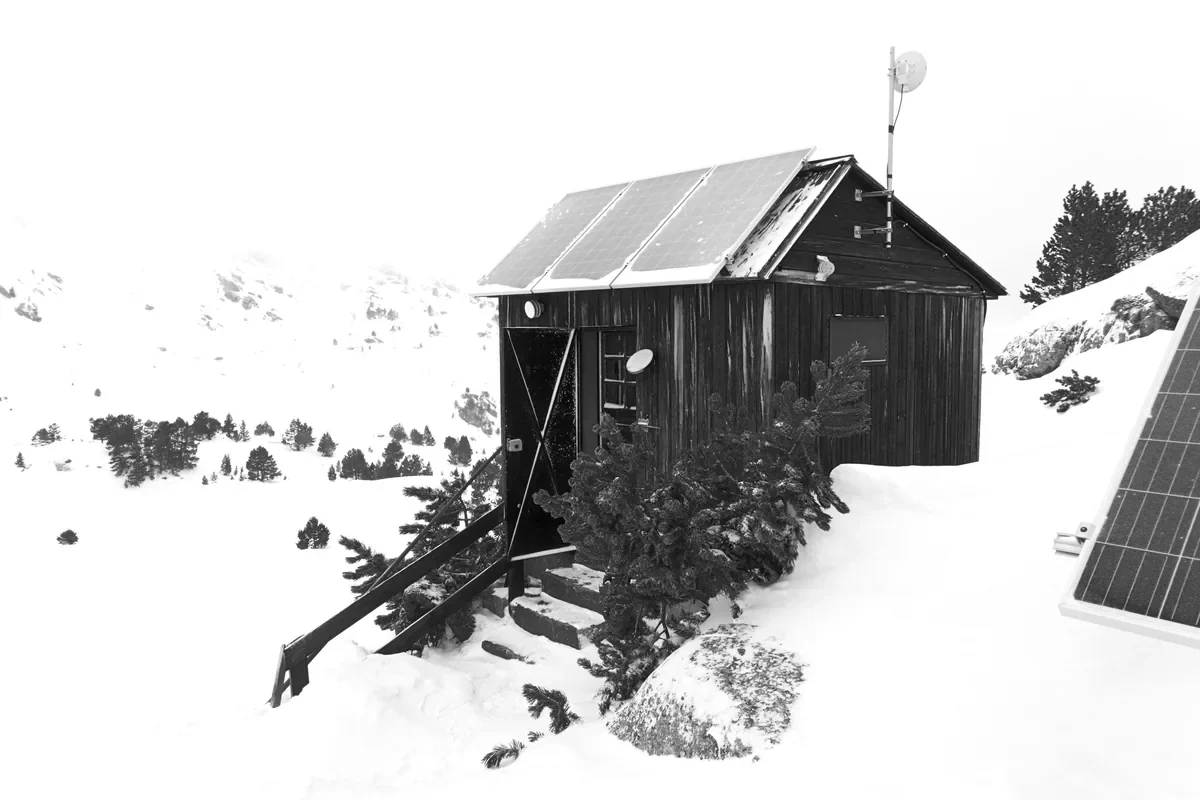
A system label does not explain the whole arrangement
Off-grid living is often described as one lifestyle, but the actual dependencies differ. A home may generate electricity while buying drinking water and fuel, paying for wastewater service or using a commercial satellite connection. Describe the systems you will operate rather than assuming the label guarantees independence or lower costs.
The useful response to an appealing claim is a specific question. Which loads are covered? In which season? For how long without generation? Who maintains the system? What is included in the price? These questions turn a broad promise into something you can compare.
Claims and the checks behind them
| Claim | What to check |
|---|---|
| Solar means power during any outage | Backup configuration, isolation, battery capacity and critical loads |
| A 200-watt panel supplies 200 watts all day | Local solar conditions, orientation, shading and losses |
| A battery size proves every appliance will run | Usable energy, output power, surge and equipment compatibility |
| Rainwater needs only a simple filter | Catchment quality, intended use, treatment and testing |
| A tiny home needs almost no utilities | Your heating, cooking, water, work and laundry demands |
| Remote land avoids approval requirements | The actual parcel, home category, use and service proposal |
Equipment can perform well within its intended conditions while failing to meet an assumption that was never part of the design. Read specifications together with the system scope.
A transparent energy example
A 200-watt panel at four equivalent full-sun hours with an illustrative 25% allowance for losses gives 200 × 4 × 0.75 = 600 watt-hours per day. That is daily energy under the stated assumptions, not a guaranteed output, a battery capacity or permission to operate a 600-watt load continuously.
Use the solar worksheet to change the assumptions. Then discuss the local design with an appropriate installer. A small panel can be useful without being a complete household supply.
Keep the fallback as concrete as the main system
Write a response for low generation, equipment failure, poor communications and interrupted water supply. Identify critical loads, safe storage, service contacts and how essential needs will be met. Avoid relying on one fault-prone system to support the recovery of another.
Include inspections, filters, battery replacement assumptions and service access in the budget. A good off-grid plan explains the ordinary work and the difficult days. Read the supplies guide for a procurement list built around those functions.
Sources & further reading
Official guidance and original source material used for the factual points in this guide. Planning examples and worksheets are our own illustrations.
- U.S. Department of Energy: Solar and resilience basics
- U.S. Department of Energy: Solar energy and storage basics
- CPSC: Carbon monoxide and portable-generator safety
- CDC: Collecting rainwater and your health
- EPA: Types of septic systems
- Texas Water Development Board: Rainwater harvesting FAQ
- CDC: Choosing home water filters
- NSF: Safe rainwater collection materials and components
- EPA: Rain barrels and stormwater runoff
- U.S. Department of Energy: Solar photovoltaic system design basics
- U.S. Department of Energy: Small wind guidebook (off-grid systems)
Checked 8 October 2026. Location-specific rules, availability and product specifications can change. Suggest a correction.