
Sources checked
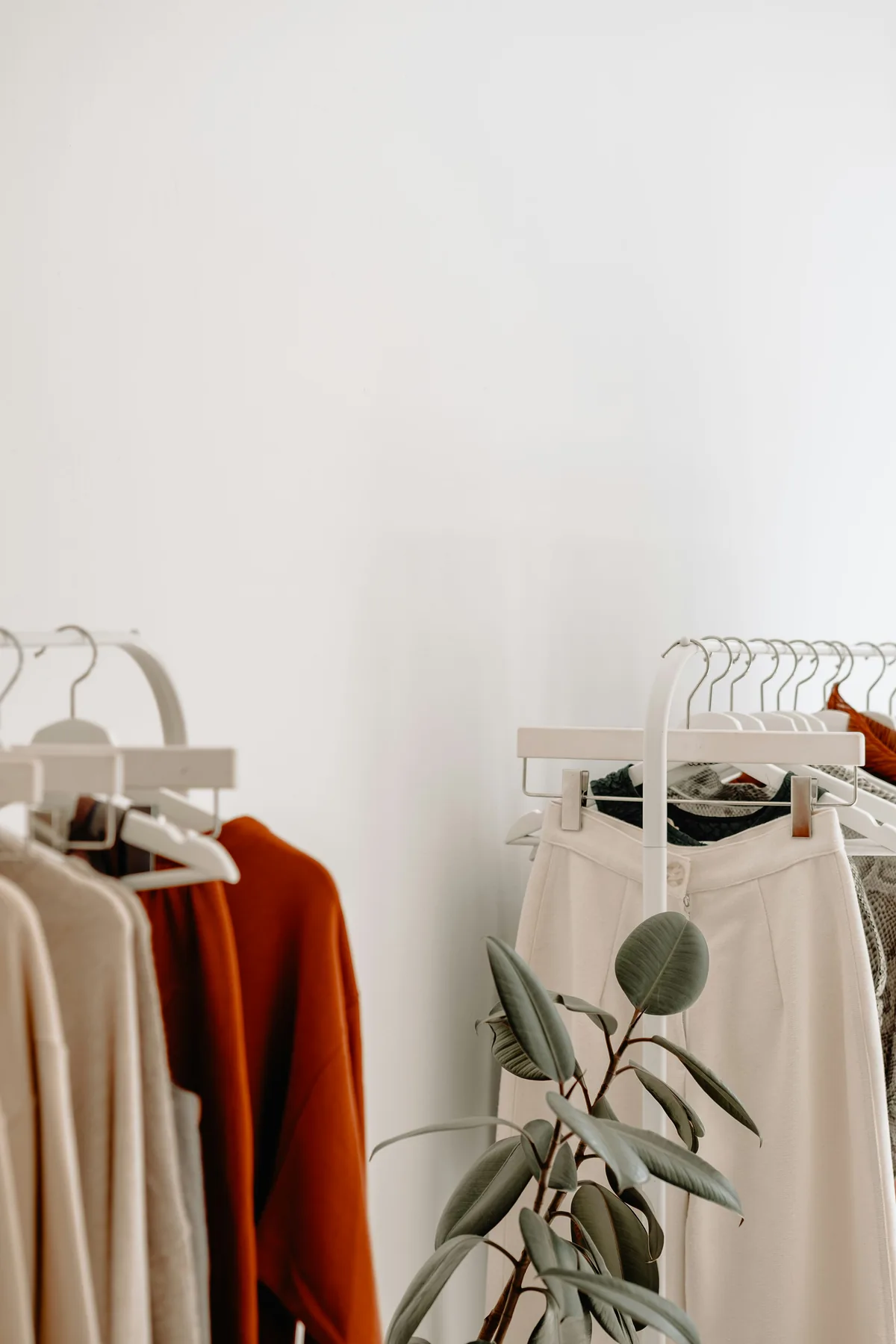
Start with the week you actually dress for
A capsule wardrobe is a coordinated set of clothing that supports your usual activities. It can include bright colors, patterns, uniforms, workwear, adaptive clothing, and special-purpose shoes. The useful question is whether the clothes work together and work for you.
Map a typical laundry cycle. Include work, errands, movement, formal events, weather changes, and the days when washing or drying is unavailable. In a small home, a reduced wardrobe still needs to accommodate drying space and the time clothes take to become usable again.
Audit fit, function, and condition
Choose one category, such as tops or shoes. Try items only when comfortable and practical. Sort those you wear now, those needing an achievable repair, seasonal items, and those you no longer want. Keep necessary backups when replacement would be difficult or expensive.
For shoes, consider the roles each pair serves: weather protection, work requirements, preferred activities, comfort, and compatibility with orthotics or other access needs. A five-pair target may be irrelevant to your situation. Worn footwear can need attention, but condition and repair options vary by shoe and use.
Put a review date beside repair candidates and identify the specific repair. An undefined pile of alterations is another unfinished project.
Build outfits from what you own
| Activity | Usable outfit | Real gap |
|---|---|---|
| Ordinary workday | Comfortable top, suitable trousers, work shoes. | None if several combinations already work. |
| Cold wet errand | Layers and weather protection. | A repair to the jacket fastening. |
| Occasional event | Existing dress or coordinated separates. | Check fit before buying an entire outfit. |
Test combinations rather than assuming every item matches. Photograph outfits if that helps you remember them. Keep your own taste in view; simplifying should not require disguising the way you enjoy dressing.
Make a laundry-based quantity plan
Estimate how often each item can be worn, how frequently you wash, and how long drying takes. Add a practical margin for illness, travel, weather, or a broken machine. The plan should cover the gap between clean laundry becoming available, not merely the number of clothes that fit in one drawer.
For example, someone washing weekly with a slow drying setup may need more work tops than someone with reliable midweek laundry. Rewearing suitable items can help, but hygiene, job requirements, climate, and personal needs influence what is reasonable. Test a smaller working selection while keeping uncertain items temporarily available.
Slow purchases and maintain the useful pieces
Before shopping, identify the gap, fit needs, storage location, and care requirements. Consider repairing, borrowing for an occasional event, or buying secondhand where suitable. Inspect seams, closures, fabric condition, and the seller's return policy rather than assuming a higher price guarantees durability.
Follow care instructions and choose maintenance you can actually sustain. A delicate item requiring costly cleaning may create more work than a washable alternative. EPA's reuse guidance supports caring for possessions and finding new users for unwanted items; check a donation program's acceptance rules before passing clothes on.
Slow fashion should not become a demand to buy expensive new brands. Using existing clothing well is a legitimate starting point.
Common questions
Must I get rid of special-event clothing? Keep it when it still fits, serves a real purpose, and is sensible to store. Borrowing is useful only if availability and fit are reliable.
Can I keep more than one size? Yes. Fluctuating size, pregnancy, changing health, and comfort needs may justify a practical range.
What if I like fashion? Choose an amount of storage and spending that fits your home and priorities. A rotating selection or a considered collection can coexist with a simple household.
When should I buy organizers? After the usable wardrobe is clear and the available space has been measured.
Sources & further reading
Official guidance and original source material used for the factual points in this guide. Planning examples and worksheets are our own illustrations.
Checked 8 October 2026. Location-specific rules, availability and product specifications can change. Suggest a correction.