
Sources checked
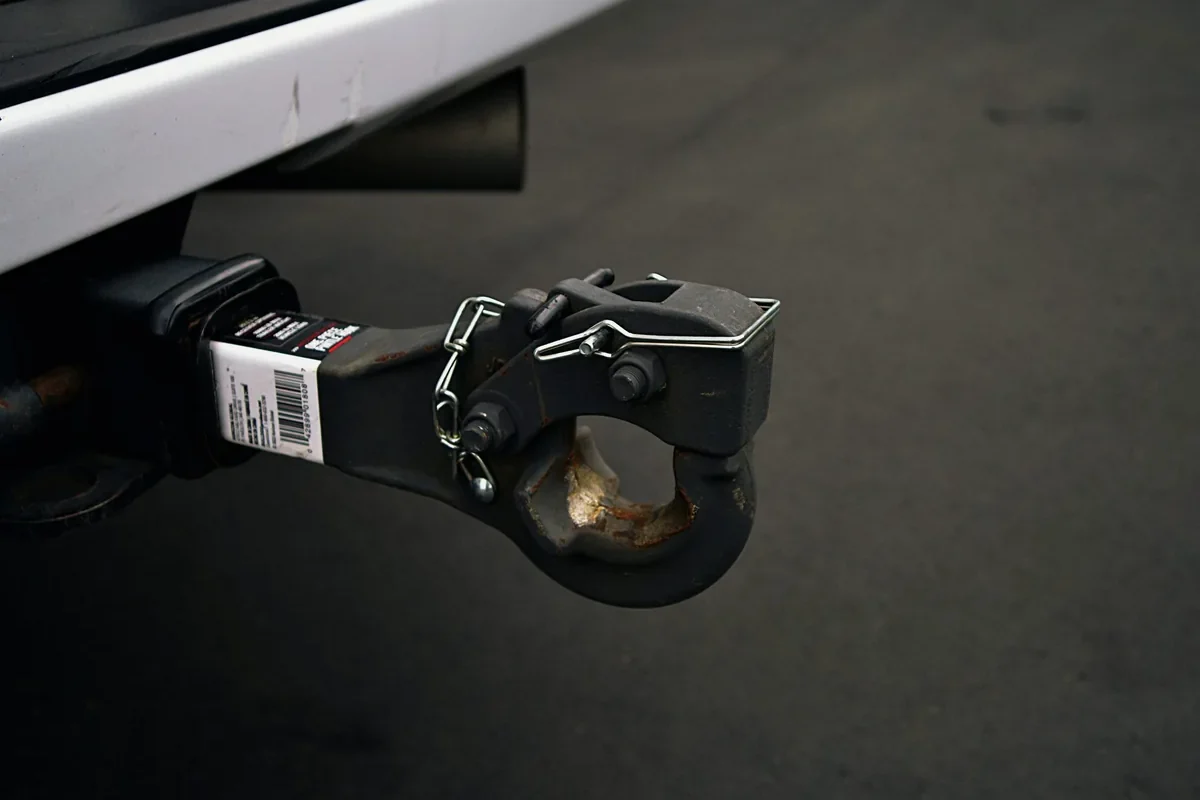
Get a measured weight for the actual home
An average from another tiny house is a weak basis for transport planning. Timber species, cladding, glazing, appliances, batteries, tanks and household contents all affect the actual load. Ask what the published weight includes and when it was measured. Distinguish an early design estimate from an empty completed home and a home ready to travel.
Arrange an appropriate weighing method with the transport provider. Keep the scale record, loading condition and weight distribution information. Changes after the measurement need review. A house can remain within a total rating while overloading an axle, tire or another component.
Ratings that need to be considered together
| Term | What it describes | What to record |
|---|---|---|
| GVWR | Maximum rated loaded weight of that vehicle or trailer | Manufacturer label and actual loaded weight |
| GAWR | Maximum rated load for an axle | Each relevant axle and measured load |
| Payload | Load available within the specific vehicle rating | Passengers, cargo, accessories and supported trailer load |
| GCWR | Manufacturer rating for the complete vehicle combination | Exact tow vehicle configuration and combination weight |
| Hitch and component ratings | Limits of the receiver, coupling and associated parts | The installed components and their documentation |
The rating that controls the move may differ from a headline towing capacity. Have the complete combination assessed, including braking, tires, attachment, loading and the rules for the route. A more powerful engine does not raise the rating of the trailer.
A transparent loaded-weight example
Suppose an illustrative completed empty home weighs 9,500 pounds. The owner adds 600 pounds of retained belongings, 250 pounds of equipment and 200 pounds of measured tank contents. The modeled loaded total is 10,550 pounds. A 12,000-pound trailer rating would leave 1,450 pounds below that one rating. This does not establish that the axles, tires, hitch, tow vehicle or load distribution are suitable.
Use a row for every addition and avoid adding equipment already included in the empty measurement. For liquid loads, use the tank manufacturer’s capacity and the actual transported contents. Decide with the mover what needs draining or securing. Do not convert a remaining rating margin into permission to keep adding cargo.
Match the exact tow vehicle
Obtain the manual and labels for the precise vehicle, including drivetrain, axle ratio, body style and installed towing equipment. Include the people and gear that will travel in it. Ask the transport professional to check the combination, braking arrangements, licensing and insurance. If moving is occasional, compare a professional delivery service with owning a tow vehicle primarily for one job.
NHTSA advises using the vehicle’s specified tire size and inflation information and maintaining the tires. For a trailer, also follow its manufacturer’s instructions and load-rated component requirements. Condition and service history matter alongside the numbers on a specification sheet.
Create a move-day packet
- Measured dimensions and loaded-weight records.
- Vehicle, trailer and component identification with current documents.
- Written route, permit and escort arrangements where applicable.
- Confirmation of transport cover and who carries each risk.
- Loading, securing, tank and utility-disconnection instructions from the responsible professionals.
- Site access, prepared supports, arrival contact and a poor-weather contingency.
Walk through handover responsibilities before the move. Specify who disconnects services, who secures fixtures, who checks the load and who completes installation at the destination. Protect the home during transport using the builder’s instructions; casual towing experience is not evidence that this particular load is ready.
Questions worth resolving early
Can I buy a truck after ordering the house? Match the whole combination before committing to a movable design. Otherwise the house may dictate an expensive change.
Can the home travel fully furnished? Only after its loaded weight, distribution, fixture security and transport requirements have been assessed.
Is the move the only approval? No. Check permission for the intended occupancy at the destination separately.
Sources & further reading
Official guidance and original source material used for the factual points in this guide. Planning examples and worksheets are our own illustrations.
- Federal Highway Administration: commercial motor vehicle size regulations — Commercial-vehicle National Network context; check the rules applicable to your vehicle and route.
- NHTSA TireWise: tire selection, loading and maintenance
Checked 8 October 2026. Location-specific rules, availability and product specifications can change. Suggest a correction.