
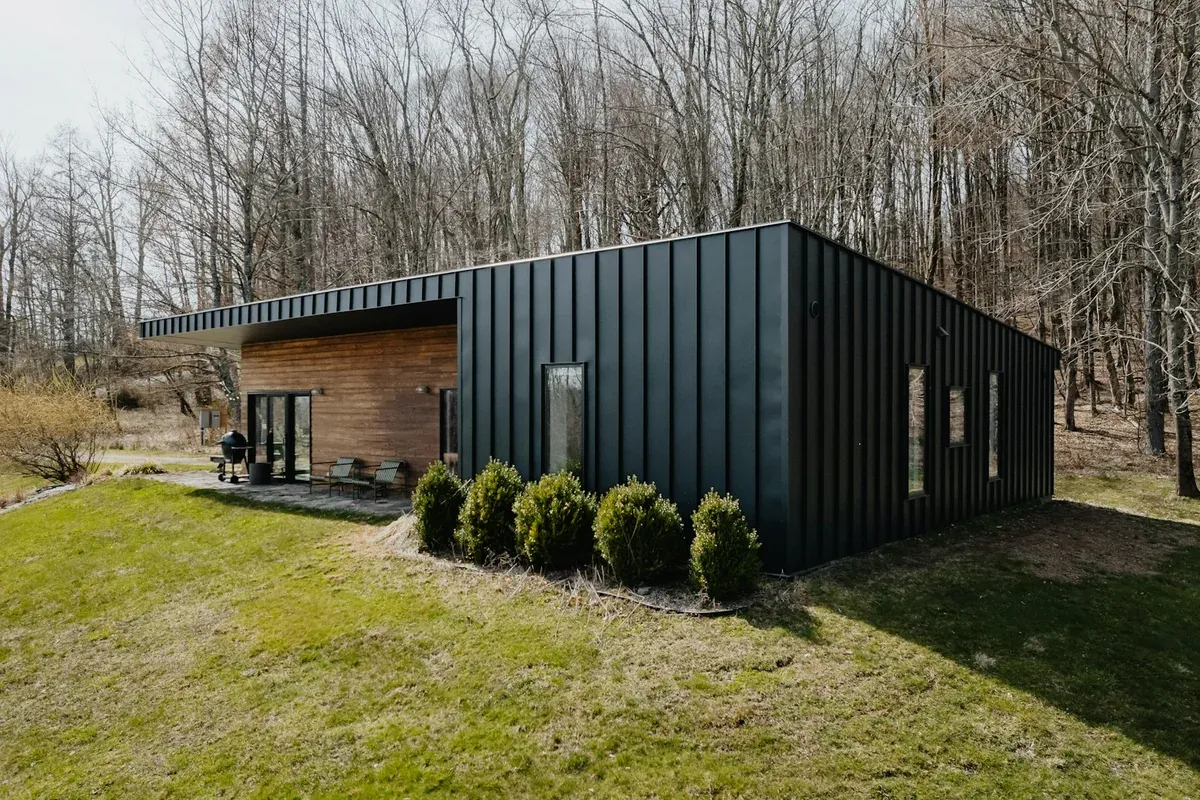
Start with an ordinary Tuesday
Write down what happens at home on a normal weekday. Include work calls, cooking, laundry, getting dressed, hobbies and sleep. A home needs to accommodate the routines you repeat, not just the moments that look good in a tour.
Name your non-negotiables
Make separate lists for essentials and preferences. A ground-floor bed, space for a mobility aid, a quiet work area or room for a pet may be essential. A bigger porch or a particular finish may be a preference. Decide this before a beautiful image makes the decision for you.
Try the layout at full scale
Use tape on the floor to mark the proposed rooms and furniture. Open imaginary appliance doors and walk through with a laundry basket. If two people live together, have both move around the layout at the same time. The useful question is whether the space supports your routines.
Test the compromises
If possible, stay in a home with a similar layout and access arrangement. Bring the things you actually use. Pay attention to where coats, shoes, food, cleaning supplies and work equipment go. A holiday stay is useful evidence, but it does not recreate year-round life.
Make the decision in the right order
Agree on your daily needs, then investigate the location, complete costs and house options together. Do not assume that a small floor area solves affordability, privacy or maintenance. Your next step is to write a one-page home brief with five requirements and five compromises you could accept.
Run a seven-day reality trial
Choose a trial that resembles the home category and layout you are considering. Keep a daily note of sleep, calls, meals, laundry, storage and time spent rearranging things. Include a poor-weather day if possible. A trial that depends on eating out and leaving most belongings at home will tell you less about permanent living.
| Routine | Works as planned | Needs a change |
|---|---|---|
| Morning with two people | Record the route and surfaces used | Mark collisions on the plan |
| Work and rest | Record noise, privacy and equipment needs | Identify an alternate workspace if needed |
| Evening and night | Test sleep access and bathroom visits | Review lighting and temporary mobility needs |
| Weekly chores | Do laundry, cleaning and grocery storage | Include time and outside-service cost |
At the end, compare the evidence with your essential requirements. Keep any feature that made life easier, modify a solvable problem and reject an arrangement that conflicts with a non-negotiable. Decide with everyone who will live in the home.
Compare the home with the arrangement you would actually leave
Keep a trial diary with four columns: task, what happened, workaround and whether you would accept it every day. Record the small interruptions. Did a work call stop someone cooking? Did opening the sofa bed require clearing the only table? Did a pet’s water bowl occupy the nighttime route? The point is to identify a particular change you can make to the plan, rather than decide that every inconvenience is simply part of going tiny.
Compare the complete arrangements on the same sheet. Your current home may include laundry, storage, a short commute and space for an occasional visitor. The proposed home might use a laundromat, a rented shed and a separate guest room in the community. Price those dependencies and include the time they take. A smaller indoor footprint can still require a larger support system.
| Trial observation | Possible change | Evidence before committing |
|---|---|---|
| One person cannot sleep during a call | Separate a quiet room or change the work arrangement | Test the actual call setup with both people |
| The bed blocks essential storage | Move the storage or choose a different bed | Try the layout with the bed fully open |
| Laundry has no place to dry | Specify a working drying or laundry arrangement | Check the appliance, ventilation and outside permissions |
| A visitor has nowhere to stay | Choose a realistic guest policy | Include the cost and booking constraints |
After the trial, choose one of three decisions: continue with the current brief, revise it and repeat the test, or choose a different housing option. Write the reason in ordinary language. A useful conclusion might be that you want a compact ground-floor apartment or a slightly larger small home. The decision should serve your household rather than a floor-area target.