
Sources checked
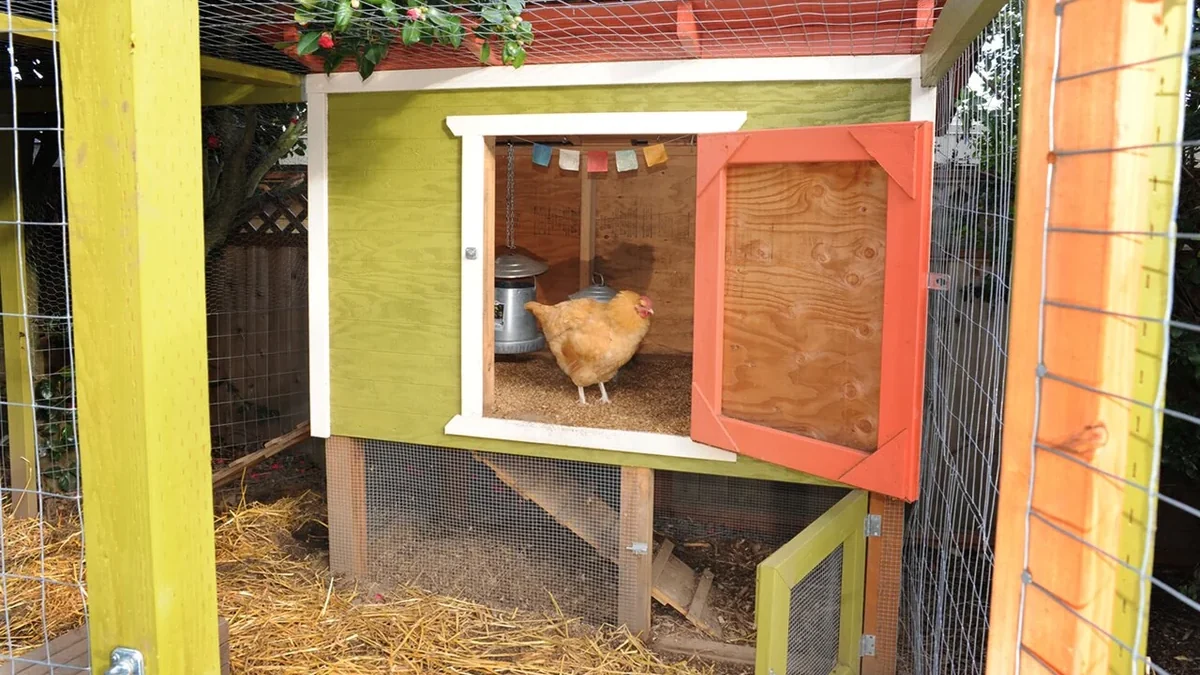

Make the urban setting part of the flock plan
An urban flock needs more than a small coop. Confirm local rules, property or tenancy conditions, bird limits, rooster treatment and housing placement for the actual address. Ask about the intended number and species, and keep the response with the plan. A neighboring flock does not establish permission for yours.
Plan daily feed, water, observation, egg collection and cleaning, plus a trained backup caregiver. A small flock still needs complete care during work, travel and illness. Choose birds after the housing and routine are ready.
A yard planning worksheet
| Area | Question |
|---|---|
| Housing | Can it provide appropriate space, dryness, ventilation and predator protection? |
| Run | Is usable space available after paths and storage are counted? |
| Feed | Can suitable feed be stored dry and protected from pests? |
| Water | Can clean water be maintained in the actual climate? |
| Neighbors | What noise, odor, boundary and visitor issues need planning? |
| Waste | How will litter and manure be handled appropriately? |
| Backup care | Who can carry out the ordinary tasks and notice a problem? |
The CDC recommends handwashing after contact with poultry or their environment and keeping poultry supplies away from household food-preparation areas. Plan the care route with that separation in mind.
Use a measured-space scenario
A yard contains 300 square feet of run footprint, but a shed, stored materials and an access route occupy 80. The usable outdoor area is 220 square feet. Compare that area with appropriate species and local allowances, then with the indoor housing, permitted count and care capacity.
Do not use lot area as a flock capacity figure. The space worksheet compares the limits you enter.
Review ordinary neighbor and care impacts
Keep food protected, maintain suitable bedding and respond to water spills or unusual odor. Use locally appropriate manure and litter guidance rather than assuming every urban garden can accept unlimited waste. Talk about credible concerns without promising a silent or maintenance-free flock.
Read coop planning, the full flock plan and the linked biosecurity guidance. Start with a scale the site and household can maintain.
Sources & further reading
Official guidance and original source material used for the factual points in this guide. Planning examples and worksheets are our own illustrations.
- University of Minnesota Extension: Raising chickens for eggs
- University of Minnesota Extension: Raising layer chicks and pullets
- CDC: Backyard Poultry — Healthy Pets, Healthy People
- USDA APHIS: Defend the Flock — Biosecurity Basics
- USDA APHIS: Defend the Flock
Checked 8 October 2026. Location-specific rules, availability and product specifications can change. Suggest a correction.