
Sources checked
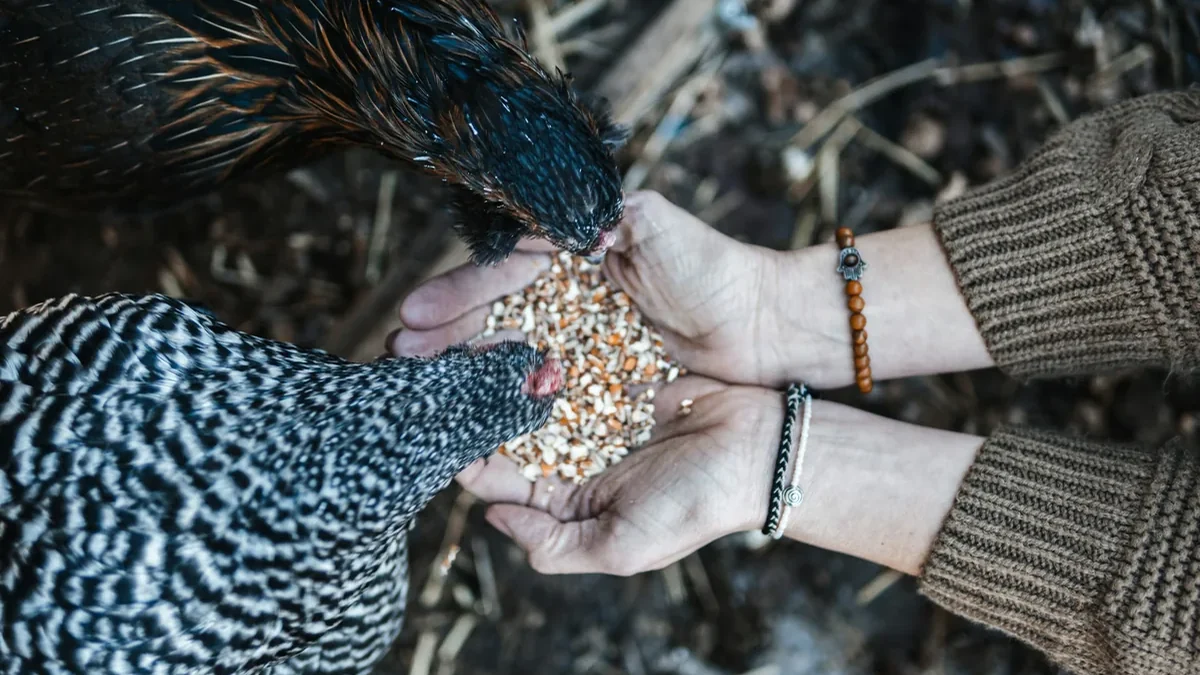
A treat is not a complete diet
Treats can be part of an appropriate flock routine, but they must not displace the suitable complete ration. The extension feeding source explains that supplementary grain and low-nutrition extras can dilute a balanced diet. Choose feed for the birds’ species and life stage, and use the product instructions and relevant professional guidance.
Do not assume a healthy-looking kitchen food meets poultry needs. Check suitability, preparation, contamination, local feeding rules and the amount in the whole diet. Young birds and laying adults can have different requirements.
Compare the proposed extra
| Extra | Question to resolve |
|---|---|
| Scratch grain | How will it avoid displacing complete feed, and is suitable grit needed? |
| Suitable fresh plant material | Is it identified, clean and free from relevant contamination? |
| Kitchen surplus | Is the material suitable and allowed under local rules? |
| Packaged poultry treat | What does the product contain and how is it intended to be used? |
| Herbs or supplements | Is there evidence for the exact use, rather than a medicinal claim? |
Avoid moldy, spoiled or questionable material. Clean water and complete feed should remain dependable rather than waiting for a treat routine.
Use treats as a limited purposeful activity
A keeper uses a small suitable extra during a planned observation or enrichment task, after confirming the diet and birds’ needs. They record it as an extra rather than counting it as replacement feed. If it changes normal intake or creates waste, they review the practice.
The source guidance discusses grit separately from calcium. Do not treat oyster shell as an interchangeable substitute for grit or provide adult feeding products to chicks simply because they are available.
Keep the feeding area clean and observable
Use suitable containers, inspect leftovers and follow guidance on feeding and removal. Record changes in normal behavior and consult the appropriate poultry adviser or veterinarian when needed. A popular treat list cannot diagnose a nutritional problem.
Read complete feeding, herbs and feed independence. A useful treat practice is small, suitable and clearly secondary to the flock’s nutritional needs.
Sources & further reading
Official guidance and original source material used for the factual points in this guide. Planning examples and worksheets are our own illustrations.
- Cooperative Extension: Feeding Chickens for Egg Production
- University of Minnesota Extension: Raising layer chicks and pullets
- University of Minnesota Extension: Raising chickens for eggs
- USDA APHIS: Defend the Flock — Biosecurity Basics
Checked 8 October 2026. Location-specific rules, availability and product specifications can change. Suggest a correction.