
Sources checked

Choose a purpose before a color
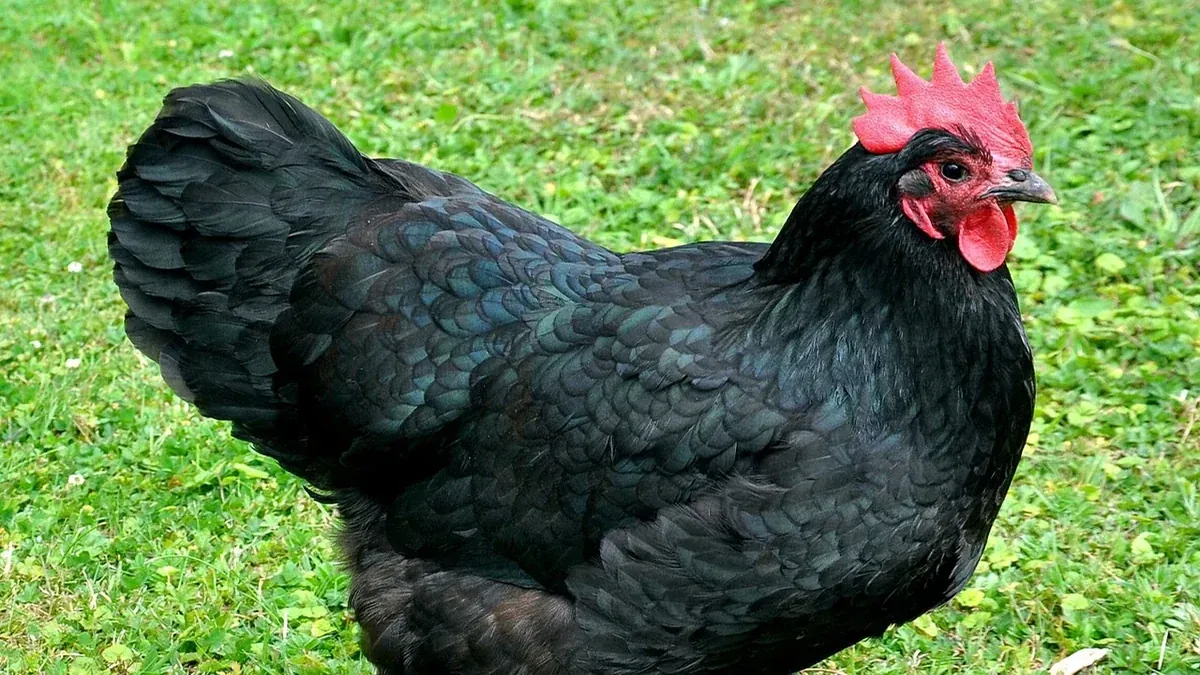
There is no best chicken breed for every small property. Begin with eggs, meat, exhibition or companionship, then compare local climate, housing, daily care and the source of the birds. A strain selected for egg production can differ from a show line of the same general breed. Ask the breeder what the actual stock is selected for and what management it needs.
Do not choose on advertised annual egg totals alone. Age, daylight, molt, nutrition, health and individual variation affect production. Plan for seasonal changes and years when hens produce fewer eggs while still requiring care.
Compare production types
| Type | Examples | Useful tradeoff |
|---|---|---|
| Specialized layers | White Leghorn strains and commercial brown-egg hybrids | Selected for efficient egg production; line-specific behavior and management still matter. |
| Dual-purpose birds | Plymouth Rock, Rhode Island Red and Wyandotte | Often chosen for mixed household goals; not identical to specialized layer or broiler performance. |
| Larger backyard breeds | Orpington and suitable larger dual-purpose lines | Mature size affects housing, feed and handling. |
| Bantams | Smaller versions of many breeds and some true bantam breeds | Smaller birds and eggs, with their own housing and climate needs. |
A breed name is an introduction, not a guarantee. Visit a reputable breeder’s flock where feasible and ask about health, adult size, temperament and local performance.
Match birds to the actual climate
Consider heat, humidity, wet ground and cold exposure together. Larger or heavily feathered birds may suit some cold situations but still need dry, ventilated housing and suitable water. Feathered feet can be harder to manage in mud. Smaller birds and large combs introduce different cold-management considerations. Obtain guidance for the breed and your setting rather than relying on one label such as “hardy.”
Plan shade and fresh water for every breed during heat. No breed should be expected to overcome inadequate ventilation, wet litter or an unreliable predator barrier. Local keeper experience is useful when it describes a comparable housing system rather than merely the same climate zone.
Bantam versus standard size
Bantams are small chickens. Many breeds have both large-fowl and bantam versions, while true bantam breeds have no large-fowl counterpart. Smaller size does not mean the care system can be reduced without assessment. Birds still need social compatibility, suitable feed, water, shelter, dust bathing and secure housing.
For a household seeking a particular quantity of eggs, compare the size and useful number of bantam eggs, not only the number laid. Do not mix very different sizes casually; observe access to feeders, social interactions and whether smaller birds are being excluded.
A household egg-planning example
Imagine a household wanting a modest weekly supply of eggs. Compare a small group of specialized layers with a small group of dual-purpose birds, using realistic local breeder information. Include winter or molt-related reductions and the cost of caring for older hens. Select a number your housing and daily routine can support rather than adding hens to chase a perfect weekly count.
If smaller eggs are acceptable and you enjoy bantams, assess a suitable bantam group separately. Egg-shell color can be a personal preference, but it should not replace health and system fit in the decision.
Choose the source and life stage
- Ask about flock health, vaccinations and recent introductions.
- Confirm whether birds are chicks, started pullets or mature hens.
- Check the actual feed program and transition guidance.
- Ask about sexing uncertainty and unexpected males.
- Plan isolation and introduction with veterinary guidance.
- Choose birds with an achievable adult housing and care plan.
Started pullets can reduce brooder work, but they do not remove the need for biosecurity. Bringing birds from multiple sources can complicate health management and introductions. Buy with a deliberate plan rather than building a mixed flock from impulse purchases.
Breed questions and mistakes
Which breed lays the most eggs? Specialized laying strains are selected for that purpose, but your useful output depends on management and conditions. Are dual-purpose hens better for everyone? No; compare your actual goals. Are bantams easier? They can fit some preferences, but still need a complete care system. What is the common mistake? Choosing a breed for appearance and then discovering that its mature size, behavior or care needs do not fit the property.
Sources & further reading
Official guidance and original source material used for the factual points in this guide. Planning examples and worksheets are our own illustrations.
- Cooperative Extension: Selecting a Chicken Breed for Small or Backyard Poultry Flocks
- University of Minnesota Extension: Raising chickens for eggs
- University of Minnesota Extension: Raising layer chicks and pullets
- USDA APHIS: Defend the Flock — Biosecurity Basics
Checked 8 October 2026. Location-specific rules, availability and product specifications can change. Suggest a correction.