
Sources checked
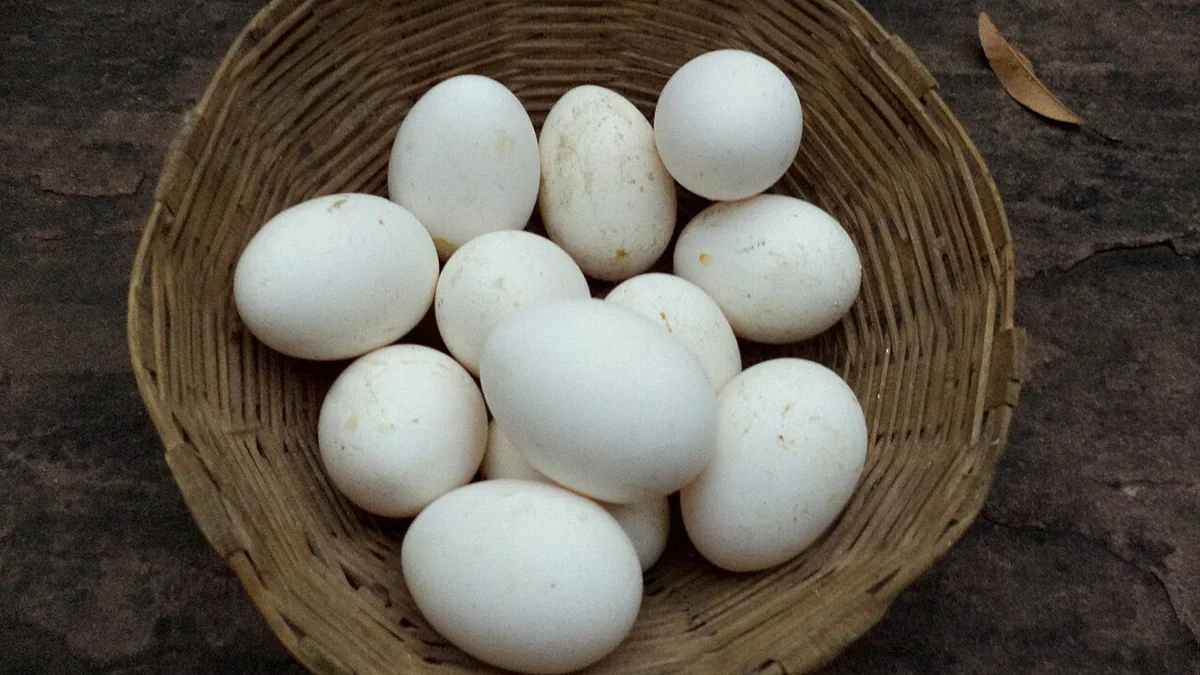

Best depends on the flock you can care for
Choose an egg flock around household demand, local conditions, space and care capacity. Egg-oriented hybrids or lines may be appropriate when production is the main goal. Dual-purpose birds can suit a different combination of aims. Breed names alone do not establish annual output, temperament or suitability for a particular yard.
Use reliable breed and supplier information for the actual birds. Ask about line, age, sexing information and source. Keep complete feed, water, housing, health and seasonal changes in the plan. Hens do not need a rooster to lay eggs.
Compare types and named options
| Option to investigate | What to compare |
|---|---|
| Egg-oriented hybrids | Supplier’s line-specific laying and management information |
| Leghorn-type layers | Egg focus, behavior and suitability for the housing |
| Rhode Island Red | The specific line and its egg / dual-purpose emphasis |
| Plymouth Rock | Household fit, line and dual-purpose expectations |
| Australorp | Local source, climate and actual line information |
| Bantams | Egg size, flock goals and separate size considerations |
This is a shortlist for research, not a rank or an output guarantee. The linked extension breed-selection guidance gives context for choosing production types.
Plan eggs with a scenario, not a promise
If an illustrative household needs 24 eggs weekly and assumes four usable eggs per hen per week in a planning period, the arithmetic gives six hens. The assumption is not a guarantee. Consider lower output periods and whether six birds fit housing, permission and care before buying.
Do not increase the flock simply to chase a peak production target. Plan the use of surplus eggs and appropriate food-safety handling.
Review the whole enterprise
Include feed, housing, litter, health care, equipment and backup care in the budget. Record actual output and losses. A high advertised annual egg figure can distract from a flock that is unsuitable for the site or difficult to manage.
Read breed selection, bantams and standard birds and feeding. Choose the birds that fit the complete plan.
Sources & further reading
Official guidance and original source material used for the factual points in this guide. Planning examples and worksheets are our own illustrations.
- Cooperative Extension: Selecting a Chicken Breed for Small or Backyard Poultry Flocks
- University of Minnesota Extension: Raising chickens for eggs
- University of Minnesota Extension: Raising layer chicks and pullets
- USDA APHIS: Defend the Flock — Biosecurity Basics
- Cooperative Extension: Feeding Chickens for Egg Production
Checked 8 October 2026. Location-specific rules, availability and product specifications can change. Suggest a correction.