
Sources checked
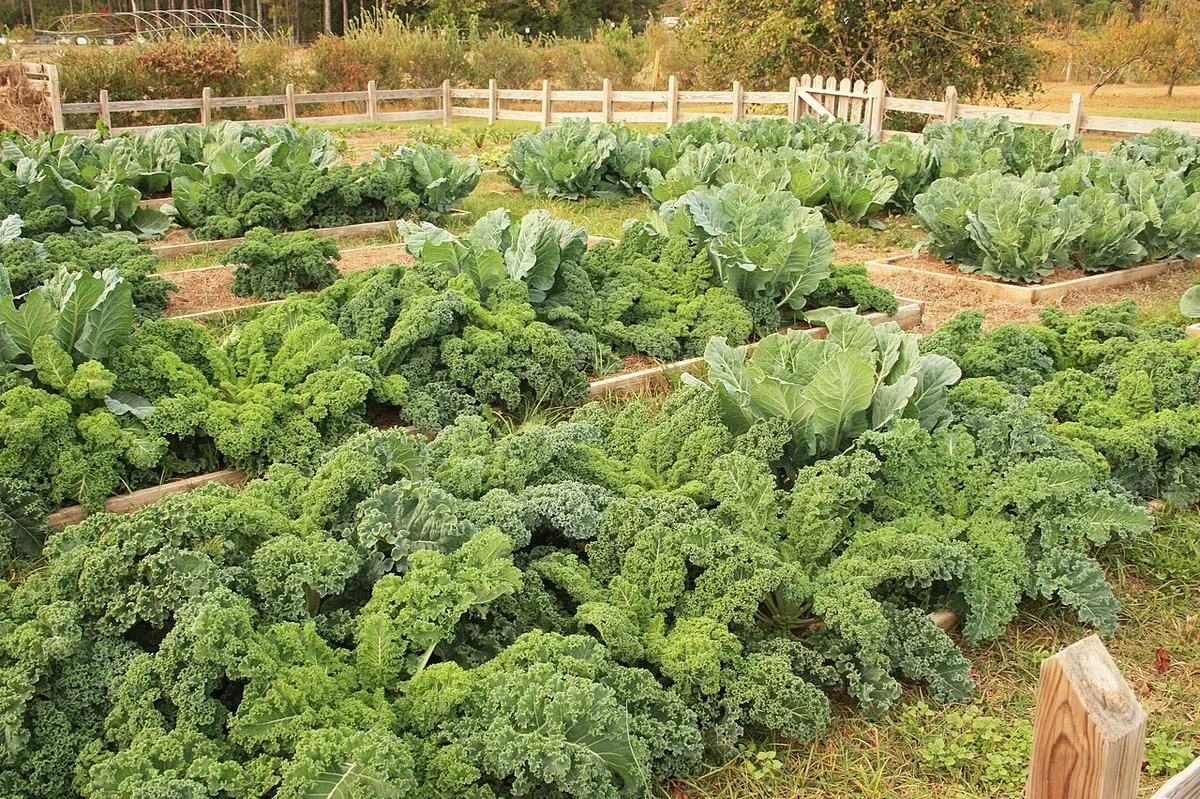
.jpg)
Autumn planting often starts during summer
A productive autumn garden begins before autumn weather arrives. Plants need time to establish and grow while light and temperatures remain favorable. These examples describe Northern Hemisphere autumn; Southern Hemisphere gardeners should use their local autumn season, roughly six months apart. Tropical and subtropical gardeners should follow regional planting windows rather than forcing a four-season model. USDA hardiness zones do not establish autumn planting dates.
Find a local fall crop guide and your frost-risk information. Decide whether you want baby leaves, full-sized roots, mature heads or crops to hold into winter. The desired harvest stage changes how much time a crop needs. Frost tolerance and the ability to grow during short days are different traits.
Choose a realistic harvest role
| Role | Examples to assess locally | Planning issue |
|---|---|---|
| Quick autumn food | Radishes and baby leafy crops | Allow establishment and growth before conditions decline. |
| Full-sized fall crops | Carrots, beets, cabbage and broccoli | Use suitable varieties and correct seed-versus-transplant timing. |
| Winter holding crops | Established hardy greens and selected roots | Grow enough size before low light; protect according to local guidance. |
| Soil protection | A locally suitable cover crop or mulch | Plan establishment, water and how the cover will be terminated. |
Do not assume every crop on a winter list can be sown late and harvested immediately. Some are winter crops because they tolerate standing through cold after earlier growth.
Work backward carefully
Suppose a direct-sown bean variety is rated at 55 days and your local cold-risk planning date is October 1. Adding an illustrative 14-day buffer gives a 69-day countback, approximately July 24. The margin is a planning example, not a universal recommendation. Use local guidance to account for slow autumn growth, heat during establishment and the crop’s actual cold tolerance.
For a transplant, check whether the packet’s maturity figure starts at transplanting. Add the time needed to grow that transplant before calculating when to sow. A broccoli figure measured after transplanting cannot be used as if it describes the entire period from seed.
Establish seedlings while it is still warm
Remove competing weeds and create a fine seedbed. Water dry soil before sowing, then keep the seed zone moist through emergence. Temporary shade may help some late-summer sowings, but inspect it and adjust exposure as seedlings develop. Harden purchased or indoor starts, plant during gentler weather when practical, and water their root balls.
Plan bed turnover selectively. Keep a healthy summer crop where it remains worthwhile, but remove exhausted or diseased plants according to local guidance when an autumn planting has a better opportunity. A protected tray of fall transplants can buy preparation time while a summer bed is still occupied.
Use protection with a maintenance plan
Row cover, low tunnels and cold frames can reduce some weather exposure, but performance depends on material, wind, soil heat and installation. They cannot remove the seasonal loss of daylight. Anchor edges, leave space for leaves and design openings that allow harvesting and ventilation. Check after storms and during sunny weather; enclosed spaces can become too warm even when outdoor air is cool.
- Keep covers accessible before the first cold event.
- Label each planting with date and variety.
- Check root-zone moisture beneath covered beds.
- Avoid stepping in wet soil while harvesting.
- Record which protection was useful and how much work it required.
- Remove fresh livestock manure from the produce workflow.
One practical next step
Keep one backup plan for each important autumn bed. That might be a quick leafy crop, a healthy purchased transplant or a suitable soil-protection crop. Choose the backup in advance so a failed late-summer sowing does not cost the entire remaining window. Keep its seed and planting instructions accessible, and reassess the weather before using it.
Fall mistakes and questions
Waiting until it feels cold to sow slow crops is a common failure. Another is holding onto a tired summer plant until the entire fall planting window has passed. Too much nitrogen cannot replace lost light or make a late crop mature on demand.
Can I harvest through winter? Sometimes, especially from established hardy plants with suitable protection; assess local conditions. Can I plant warm-season crops in September? Some mild regions support this, while others approach frost. What if I miss the vegetable window? Protect the soil, review the date and prepare an earlier start next year.
Sources & further reading
Official guidance and original source material used for the factual points in this guide. Planning examples and worksheets are our own illustrations.
- University of Maryland Extension: When to Plant Vegetables
- University of Maryland Extension: Vegetable Succession and Companion Planting
- University of Florida IFAS Extension: Florida Vegetable Gardening Guide
- University of Minnesota Extension: Planting the vegetable garden
Checked 8 October 2026. Location-specific rules, availability and product specifications can change. Suggest a correction.