
Sources checked
.jpg)
Decide which winter project you have
Winter gardening can mean three different things: planting during a mild regional growing season, harvesting outdoor crops established earlier, or raising a small crop under indoor lights. Choose the project before choosing the vegetables. The outdoor examples here describe Northern Hemisphere winter; Southern Hemisphere gardeners should use their local winter season, roughly six months apart. Tropical wet and dry cycles may be a better framework. USDA hardiness zones describe winter lows but cannot tell you how fast a vegetable will grow.
List local frost risk, drainage, winter sunlight and the maintenance time you can provide. A greenhouse or tunnel changes the growing environment, but an unheated structure does not automatically create summer conditions.
Compare the three approaches
| Approach | What makes it work | What needs attention |
|---|---|---|
| Mild-climate winter planting | Regional crop choices and appropriate sowing windows. | Occasional cold, short days, rain and disease pressure. |
| Protected outdoor harvest | Hardy crops that reached usable size earlier. | Ventilation, wind damage, moisture and limited regrowth. |
| Indoor leafy crops | Adequate light, clean containers and suitable growing medium. | Watering, hygiene, space and energy costs. |
Do not use a successful lettuce bed in one mild winter climate as evidence that the same sowing will work under snow. Local guidance should determine the crop list and the level of protection.
Manage an outdoor holding garden
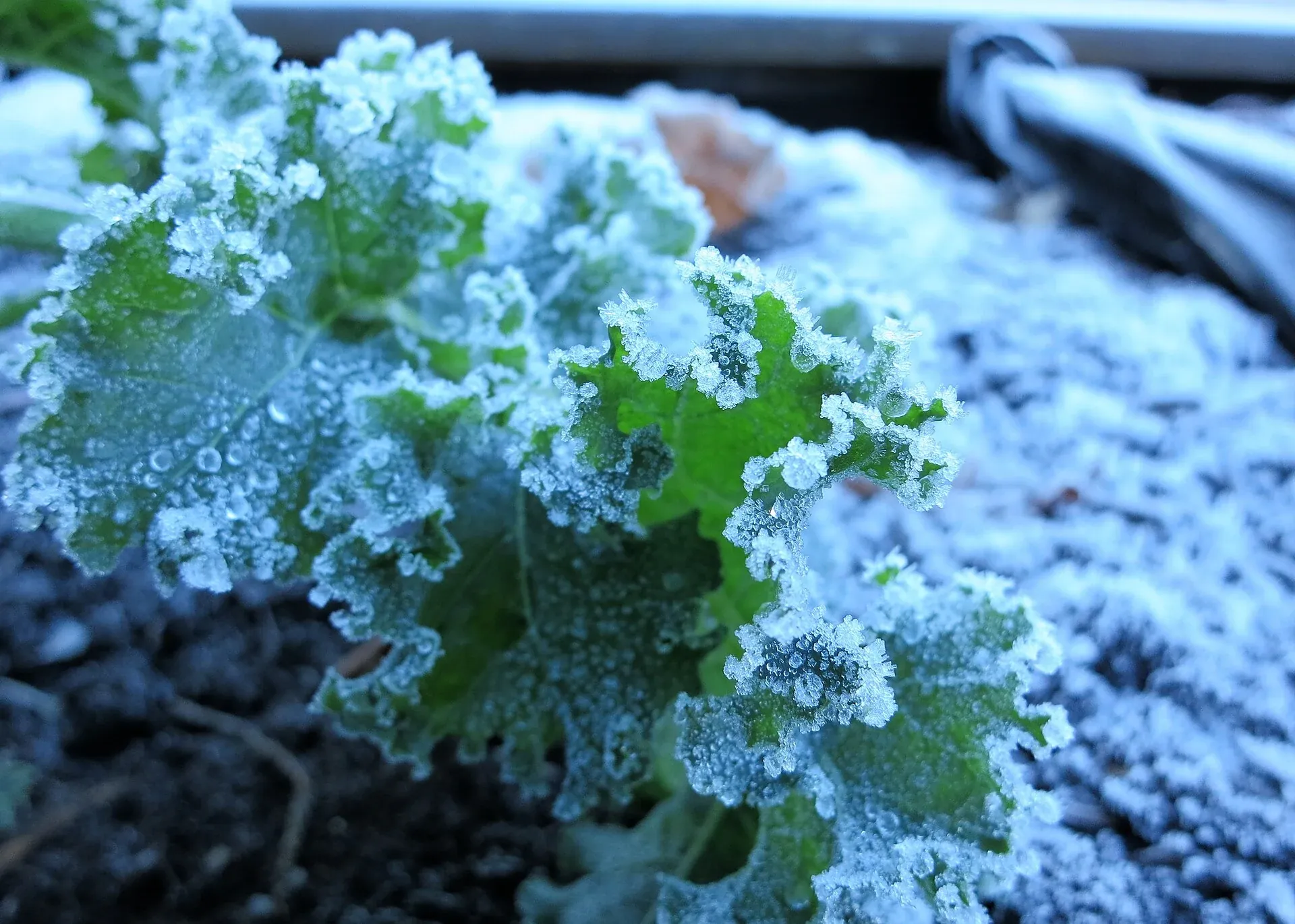
Plan winter leaves and roots before light becomes limiting. Follow local guidance for hardy varieties and their earlier planting dates. Check cover anchors and leave enough room for foliage. Open structures for ventilation when needed and inspect plants for excess moisture, pests and decay. Keep a clear route to the bed so harvesting does not compact wet soil.
Harvest selectively rather than removing all useful foliage at once. When growth is slow, the existing standing crop is a food reserve with a limited replenishment rate. Wait for suitable thawed conditions before handling frozen leaves, and follow crop-specific harvesting advice.
Set up one small indoor crop
Choose a manageable tray or several pots of a leafy crop suited to your lights. Use drainage holes, clean equipment and a suitable growing medium. Follow the packet’s depth and spacing instructions. Keep moisture even without leaving roots saturated, and provide the light intensity and duration required by the crop. Label the sowing date.
Keep this setup separate from poultry and rabbit housing, their feed and their cleaning tools. A kitchen counter is not an appropriate place for a poultry brooder. Start small enough to observe the work and harvest before adding more containers.
A realistic winter harvest example
Imagine that an established spinach patch gives enough leaves for a small meal but makes little new growth in midwinter. Plan occasional harvests from the current crop and use stored vegetables between them. Track the remaining usable foliage, rather than expecting the weekly output of a spring bed. A second indoor leafy crop may complement the patch, but its light and water needs add work.
- Review winter harvest quantities and the time spent protecting them.
- Inspect stored roots and squash for spoilage.
- Check covers after severe weather.
- Monitor moisture in covered beds and indoor containers.
- Plan spring starts from the local transplant date, not from winter enthusiasm.
One practical next step
Before buying a large protected structure, test whether you enjoy the routine with a small covered bed or a modest indoor setup. Record ventilation, watering and harvesting work during the coldest part of the season. The useful outcome is food you actually use at a level of effort you can maintain, rather than the greatest theoretical planting area.
Winter mistakes and questions
Sealing a cold frame permanently can trap excess heat and moisture. Sowing too late can produce plants that survive but do not give a useful harvest. Watering indoor containers by a fixed daily rule can leave some dry and others waterlogged.
Can I sow outdoors in December? Some mild climates allow it; use their regional calendar. Will more fertilizer overcome short days? No. Are fruiting vegetables a good first indoor winter crop? Small leafy crops are generally a more manageable trial because large fruiting plants demand more space and light.
Sources & further reading
Official guidance and original source material used for the factual points in this guide. Planning examples and worksheets are our own illustrations.
- University of Florida IFAS Extension: Florida Vegetable Gardening Guide
- University of Maryland Extension: When to Plant Vegetables
- University of Maryland Extension: Growing Vegetables in Containers and Salad Tables
- University of Maryland Extension: Starting Vegetable Seeds Indoors
Checked 8 October 2026. Location-specific rules, availability and product specifications can change. Suggest a correction.