
Sources checked
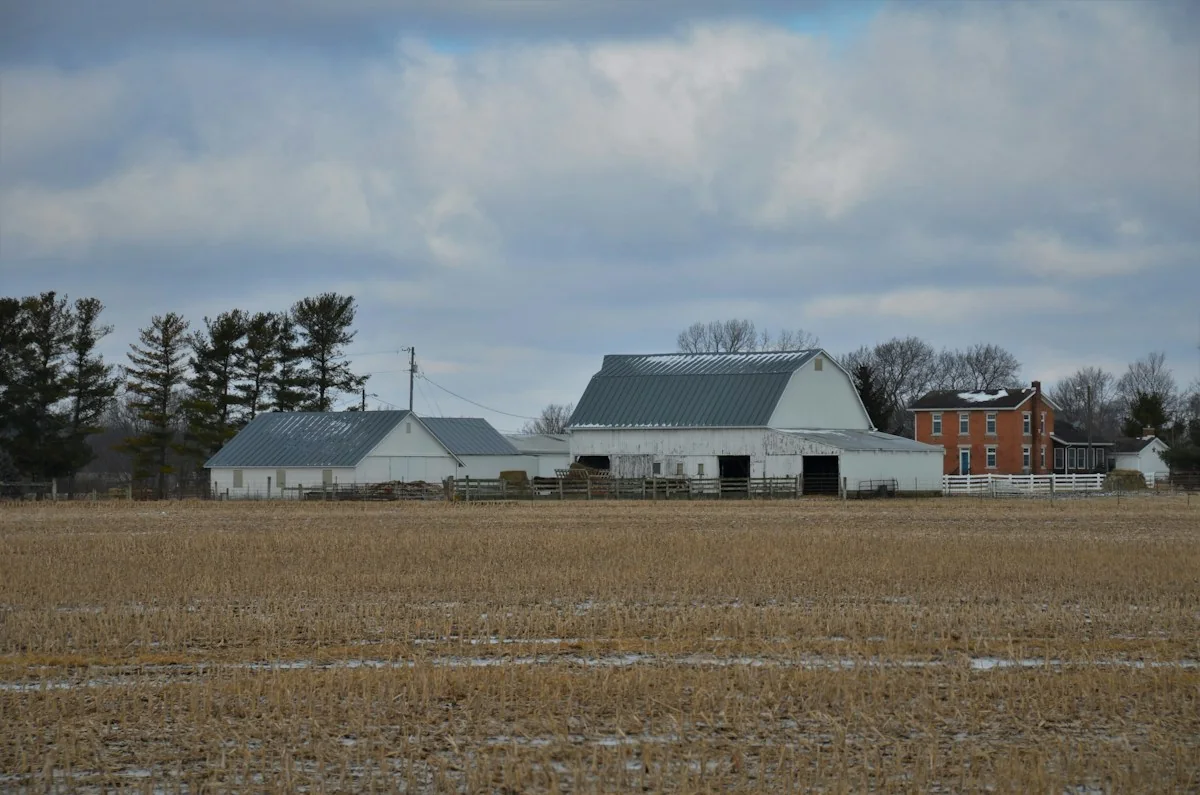
The labels describe emphasis, not an automatic legal category
In everyday usage, a homestead often emphasizes household production and practical skills. A farmstead commonly describes the buildings, home and associated working area of a farm. A hobby farm often means a small agricultural property or enterprise that is not the owner’s primary income source. Usage varies, so explain the activities rather than relying on the label.
These terms do not determine zoning, tax treatment, business registration, insurance or animal-welfare obligations. Those questions depend on jurisdiction, use and the actual enterprise. A property can combine household gardening with a small commercial activity, but each responsibility needs its own review.
Compare the proposal that sits behind the name
| Dimension | Household emphasis | Enterprise emphasis |
|---|---|---|
| Output | Food or products mainly used at home | Products or services marketed to others |
| Budget | Household spending and useful replacements | Enterprise costs, revenue and business risks |
| Work | Jobs fitted around household capacity | Production schedule and staffing needs |
| Visitors and traffic | Ordinary household use | Customers, deliveries or events |
| Documentation | Property and care records | Additional business, sales and applicable compliance records |
The columns are planning distinctions, not official definitions. Ask the responsible local advisers how your actual activities will be treated.
Use a concrete comparison
Two households each keep a vegetable garden and hens. One uses the harvest at home. The other plans regular sales, customer visits and deliveries. The physical acreage may be similar, while the business, insurance, food-sale and traffic questions differ. Calling both hobby farms does not resolve those differences.
Describe expected output, recipients, visitors, animals, buildings and operating hours in the project brief. That description helps authorities and service providers respond to the same proposal.
Choose the work you want rather than the identity
Compare daily chores, seasonal peaks, storage, water demand and the help needed during absences. If sales are planned, use an enterprise budget and confirm market and production assumptions before scaling. Separate household value from business revenue.
The homesteading overview explains a household starting point, while the starting guide provides a staged plan. A clear description of use is more valuable to a project than an appealing label.
Sources & further reading
Official guidance and original source material used for the factual points in this guide. Planning examples and worksheets are our own illustrations.
- Penn State Extension: Budgeting for agricultural decision making
- Penn State Extension: Starting a new agricultural business
- EPA: Urban agriculture
Checked 8 October 2026. Location-specific rules, availability and product specifications can change. Suggest a correction.