
Sources checked
Start with what the location can support
Urban homesteading can include container growing, household repair, careful food storage, a community garden or other practical skills. You do not need to reproduce a rural farm in a small yard. Assess sunlight, water access, storage, structure, tenancy conditions and the work you can maintain.
For balconies and roof spaces, confirm permissible loading and installation with the responsible building or property professional before adding heavy soil or water storage. For previously industrial or uncertain ground, investigate soil suitability and contamination rather than assuming an empty lot is safe for food growing.
Compare small-space options
| Option | Useful fit | Constraint to check |
|---|---|---|
| Containers | A few regularly used herbs or vegetables | Light, suitable mix, drainage and watering |
| Raised beds | Defined growing area near the home | Soil, access, material suitability and water |
| Community plot | More growing space and shared learning | Travel, rules, storage and task responsibilities |
| Repair skills | Less avoidable replacement | Safe work space, tools and task limits |
| Food storage | Better use of purchases and harvest | Tested methods and suitable kitchen / storage capacity |
Urban livestock is a separate care project. Confirm permission, neighbors, housing, feed, cleaning and backup care before buying birds.
Design for the ordinary route
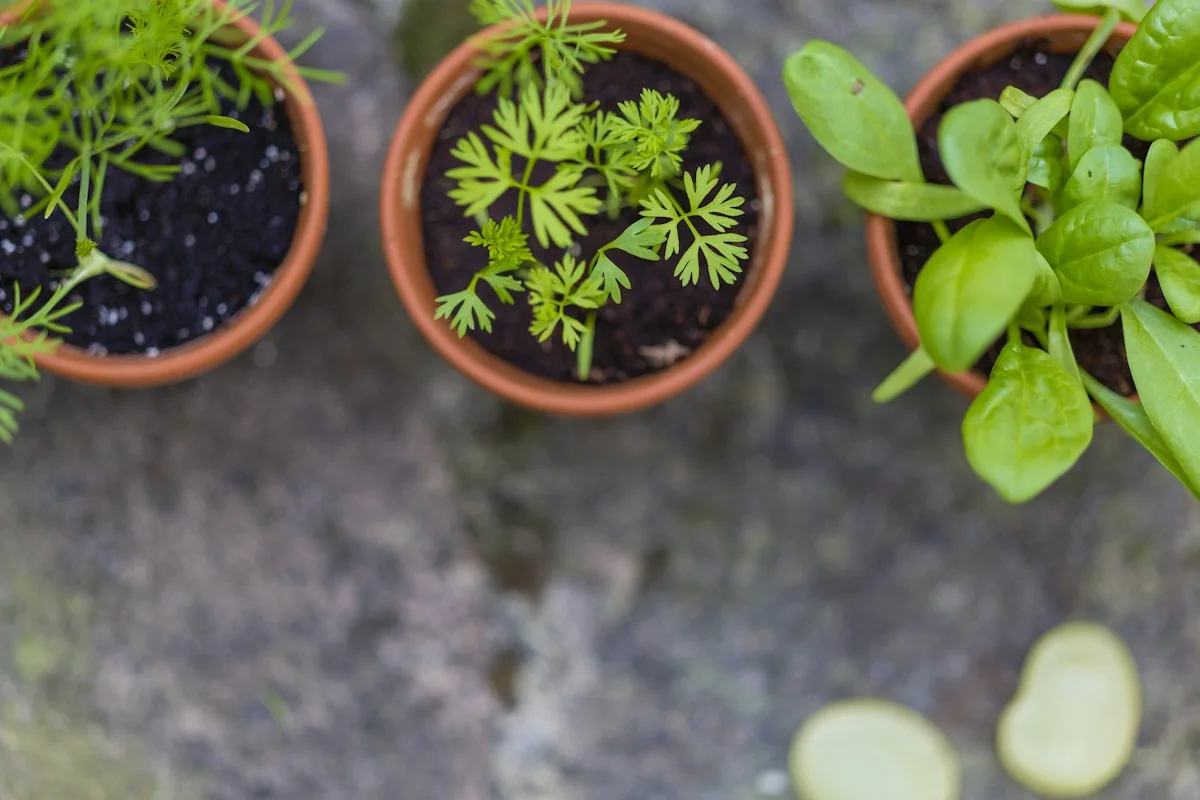
A household uses two suitable containers near a convenient water point for herbs it cooks with regularly. It records light and watering for a season before using a more distant area. The small initial scope makes the result easier to observe and maintain.
Keep productive areas reachable without blocking paths, exits or shared space. Choose crops whose mature size and care fit the location. A attractive container is less useful if it dries out before the household can water it.
Use sharing where it solves a real constraint
Shared tools, growing plots and practical workshops can reduce storage and help build skills. Agree on use, cleaning, replacement and access before sharing equipment. A clear arrangement is more sustainable than informal assumptions about who will do the work.
Explore the herb garden guide, manageable garden plan and urban poultry guide. Choose the activities that fit the site and household, with production measured against actual maintenance capacity.
Sources & further reading
Official guidance and original source material used for the factual points in this guide. Planning examples and worksheets are our own illustrations.
- Penn State Extension: Budgeting for agricultural decision making
- Penn State Extension: Starting a new agricultural business
- EPA: Urban agriculture
- University of Maryland Extension: How to Start a Vegetable Garden
- University of Maryland Extension: When to Plant Vegetables
- University of Maryland Extension: Growing Vegetables in Containers and Salad Tables
- University of Maryland Extension: Soil Testing and Soil Testing Labs
Checked 8 October 2026. Location-specific rules, availability and product specifications can change. Suggest a correction.