
Sources checked
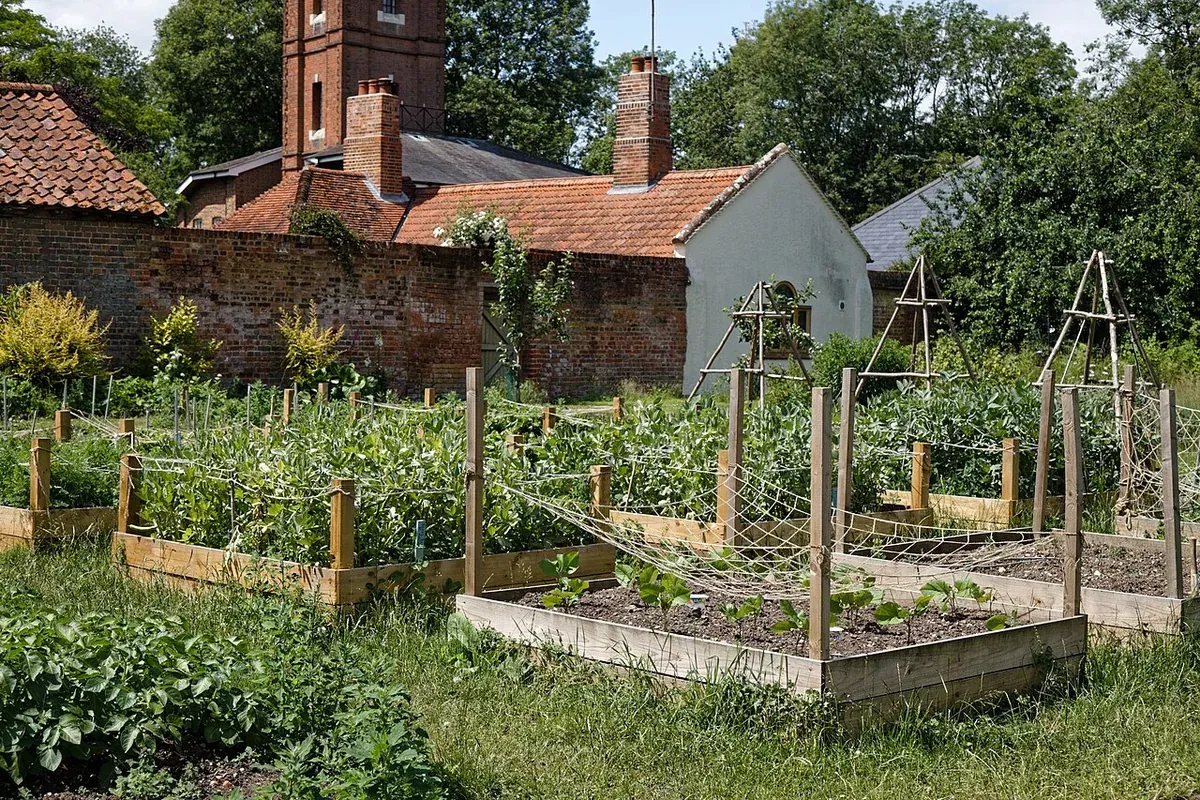

Start with the maintenance week
Estimate the time you can regularly give to watering, observation, weeding, harvesting and cleanup. Use the busiest ordinary week rather than a free weekend. Place the garden where suitable light, soil and dependable water can work together. A convenient routine helps keep a modest growing area productive.
Choose food you actually eat and quantities you can use. A large harvest creates picking, storage and sometimes preservation work. Include those tasks in the plan rather than assuming more planted area is always better.
Design choices that affect effort
| Choice | Work it changes | Planning check |
|---|---|---|
| Location | Walking, carrying and noticing problems | A suitable convenient route |
| Bed and path layout | Reach, weeding and tool access | Work without unnecessary soil compaction |
| Watering arrangement | Daily time and reliability | A suitable supply and maintenance plan |
| Crop selection | Harvest frequency and support needs | Food demand and season |
| Mulch and soil care | Weeds, moisture and preparation | Suitable material and local guidance |
| Planting schedule | Peaks and vacant areas | A realistic succession plan |
Use suitable crop and soil guidance for each choice. Convenience cannot compensate for insufficient light or unsuitable growing conditions.
Build a modest workload budget
A household has three short weekday windows and one weekend session. It begins with a small planting close to water and keeps expansion space unplanted. It records actual work for a season, including harvesting and cleanup, before deciding how much more area can be maintained.
Arrange what happens during travel or illness. A garden with reliable watering help may tolerate a different scope from one dependent on a single person’s daily presence.
Review the garden as a working system
Identify crops that repeatedly become wasted food, paths that make access difficult and tasks that are deferred until they create more work. Reduce a unsuccessful crop rather than maintaining it out of obligation. Keep useful harvest and enjoyment separate from claims of financial savings.
Read crop choices, spacing and the cost ledger. A successful garden is one you can keep using and caring for through ordinary interruptions.
Sources & further reading
Official guidance and original source material used for the factual points in this guide. Planning examples and worksheets are our own illustrations.
- University of Maryland Extension: How to Start a Vegetable Garden
- University of Maryland Extension: When to Plant Vegetables
- University of Maryland Extension: Growing Vegetables in Containers and Salad Tables
- University of Maryland Extension: Soil Testing and Soil Testing Labs
- University of Maryland Extension: Organic Matter and Soil Amendments
- University of Maryland Extension: Fertilizing Vegetable Gardens
- University of Maryland Extension: Growing Vegetables in Raised Beds
Checked 8 October 2026. Location-specific rules, availability and product specifications can change. Suggest a correction.