
Sources checked
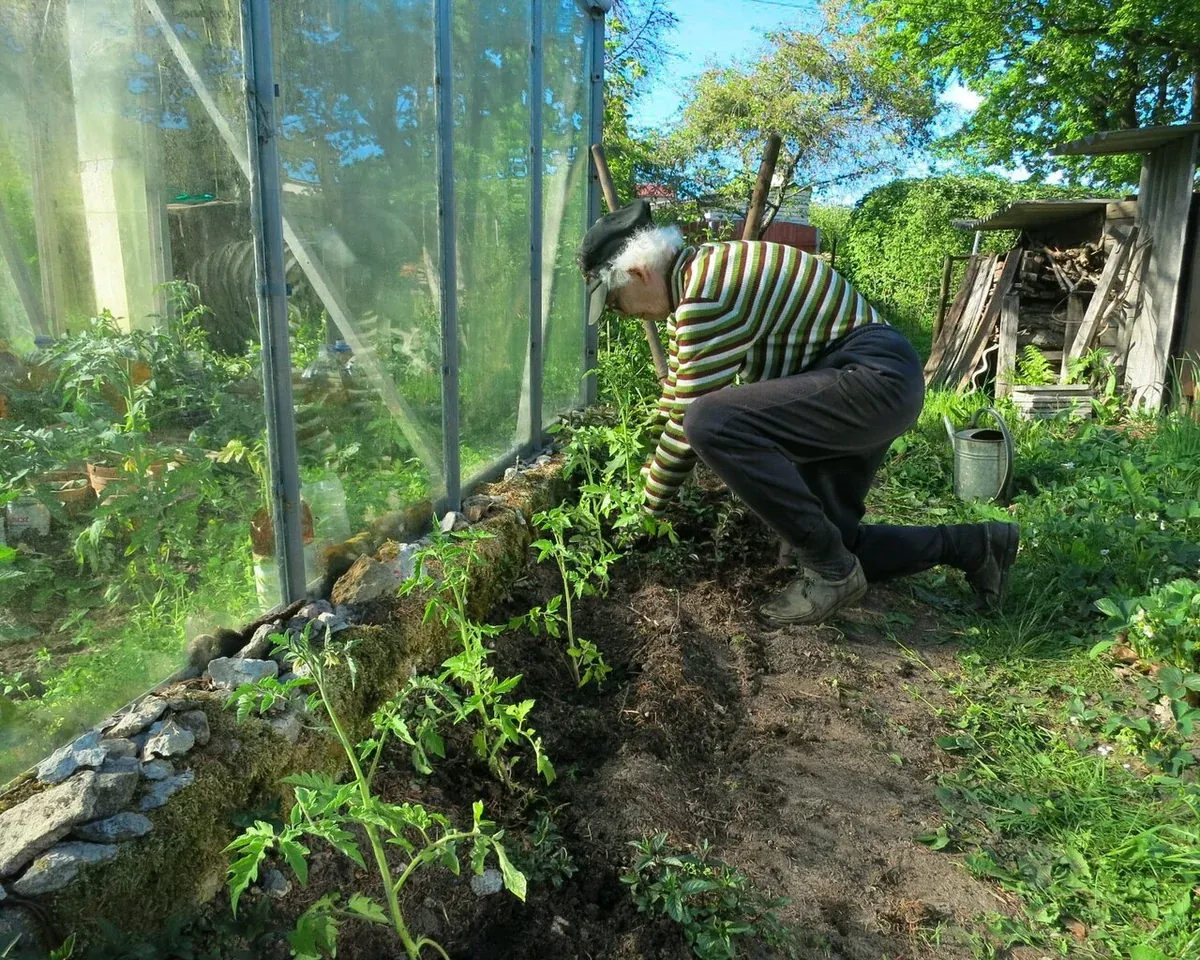

Use this month as a local planning prompt
The outdoor examples below describe Northern Hemisphere seasons. Southern Hemisphere gardeners should start with the opposite season, roughly six months away, then use local frost, soil-temperature and rainfall guidance. USDA zones alone cannot set planting dates. Check your forecast, crop instructions and the actual light in your garden before sowing.
A late-spring month still needs local checks
In many temperate Northern Hemisphere gardens, May brings the transition to warm-season vegetables. In high-elevation or northern gardens, damaging cold may remain; in hot subtropical areas, summer stress may already dominate. Check crop-specific soil warmth and nighttime conditions rather than assuming that every place reaches spring at the same time.
| Crop group | Possible planting method | Readiness question |
|---|---|---|
| Beans and suitable squash | Direct sow into an adequately warm seedbed. | Will the weather sustain germination and establishment? |
| Tomatoes, peppers and eggplant | Use healthy hardened transplants where locally appropriate. | Are cold risk and soil conditions acceptable for the crop? |
| Remaining cool-season crops | Harvest, stagger small sowings or remove declining plants. | Will the next crop finish before heat causes poor quality? |
Support and water before growth accelerates
Install tomato supports and bean trellises while plants are small. Plan their height, anchoring and shade before they begin climbing. Locate tall growth where it will not remove useful light from the rest of the bed. Check the mature spread of squash; a compact-looking transplant may soon occupy more room than the entire salad patch.
Water newly planted seed gently and maintain the surface moisture it needs. Transplants require water in their root balls, not just wet soil between rows. As roots develop, adjust irrigation to the crop, soil and weather rather than following one fixed timer setting all season.
A small warm-season layout
In an illustrative two-bed garden, put a supported tomato in the first bed with spacing suited to its type, and use the second bed for a manageable patch of bush beans. Reserve some space for later sowings instead of crowding several vine crops together. A compact container tomato may suit a patio better than an indeterminate vine that needs a substantial support.
Write down your actual planting date and first harvest. Those records help compare an early planting with a later one next season, especially when cold weather delays establishment.
May checklist and mistakes
- Check newly planted crops frequently during their first establishment period.
- Add mulch after considering soil warmth and seedling emergence.
- Keep mulch clear of plant stems.
- Confirm that drip or soaker irrigation reaches the roots.
- Inspect leaf undersides and identify damage before treating.
Avoid sowing warm-weather seeds into chilly wet soil, planting more zucchini than you can use, or assuming an ornamental pot has enough root volume for a vegetable. Plant labels help protect tiny seedlings from accidental weeding. Keep tools accessible so that tying, thinning and picking happen when needed.
May questions
Is May too late to start a garden? Often no, but select crops for the remaining local season. Can I mix seedlings with direct-sown crops? Yes; account for both mature spacing and the different watering needs during establishment. Should every warm-season crop go in on one day? No. Some require warmer soil than others, and a second small sowing can spread the work and harvest.
Sources & further reading
Official guidance and original source material used for the factual points in this guide. Planning examples and worksheets are our own illustrations.
- University of Minnesota Extension: Planting the vegetable garden
- University of Maryland Extension: When to Plant Vegetables
- University of Maryland Extension: How to Start a Vegetable Garden
Checked 8 October 2026. Location-specific rules, availability and product specifications can change. Suggest a correction.