
Sources checked
Compare the heating job before choosing the appliance
An indoor wood stove heats from a location within the home and needs an appropriate installation, chimney or venting system, operating routine, and fuel storage. An outdoor hydronic heater uses a different system to deliver heat to the building. Ask for the complete distribution, controls, circulation, and power requirements rather than comparing appliance prices alone.
A small home may have limited room for the heater, required installation details, loading access, and fuel handling. Get the heat demand and a suitable design assessed. A powerful appliance is not automatically useful in a compact living space. Compare wood heat with locally suitable alternatives and with reducing heat loss before choosing equipment.
Check the model and the installation separately
EPA’s residential wood-heater standards cover categories of new appliances, including certain stoves and indoor or outdoor hydronic heaters. Confirm the applicable model certification and current local air-quality, building, installation, and use requirements. An emissions certification does not answer every local siting or installation question.
Use the appliance’s actual instructions and qualified installation for clearances, hearth protection, combustion-air needs, venting, and commissioning. USFA advises keeping combustible items at least three feet from heat sources as a general fire-prevention message; that is not a substitute for the model’s approved installation specifications or local requirements. Preserve safe routes around a hot appliance.
A cord measures volume, not a fixed weight
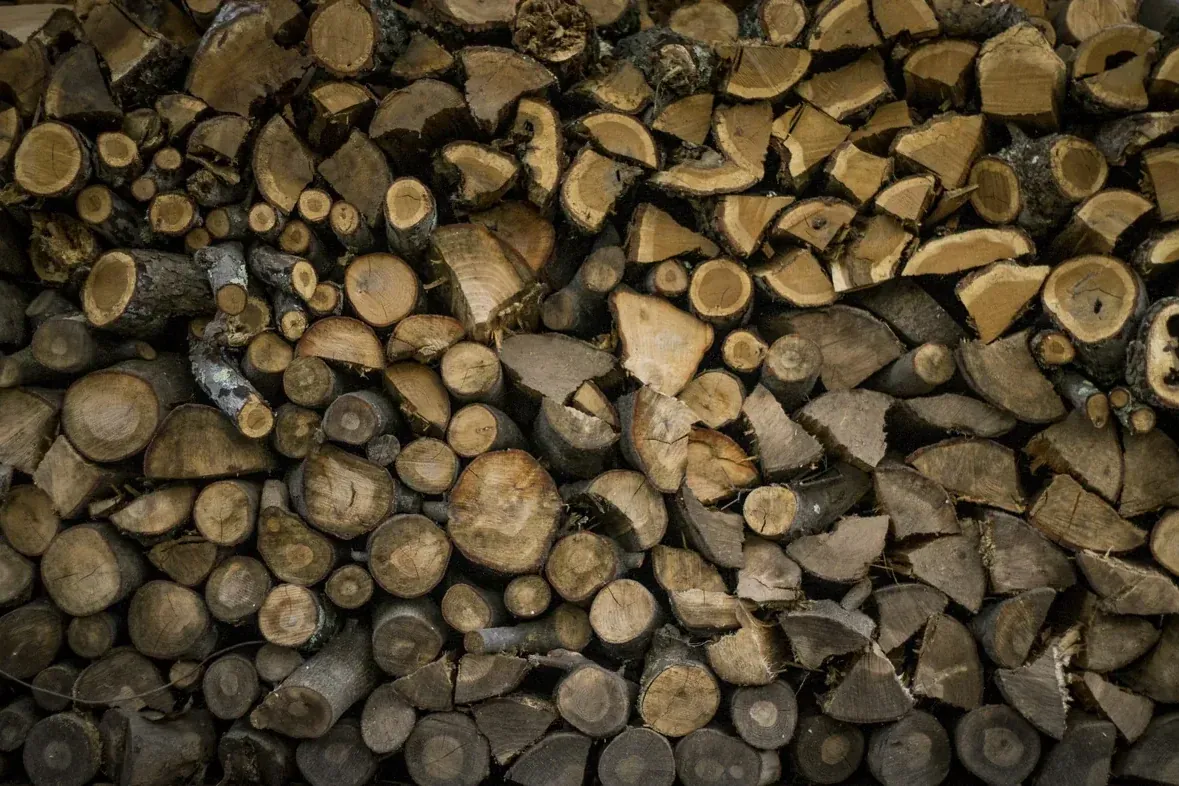
The NIST/NCWM consumer guide defines a cord as 128 cubic feet of properly stacked firewood. An ideal stack 4 feet high, 4 feet deep, and 8 feet long gives 4 × 4 × 8 = 128 cubic feet. Other arrangements can give the same volume. Measure the stacked quantity rather than assuming a truck or loose pile corresponds to a cord.
There is no single reliable cord weight for every load: species, moisture, and the actual stacked wood affect mass. Obtain the load information and, where needed, a weight measurement. Check the actual vehicle and trailer limits before transport; do not use a generic internet weight range to declare a load safe.
Check dry fuel with a measurement
EPA’s archived Burn Wise guidance says wood burns best below 20 percent moisture content and recommends checking with a wood moisture meter. The program stopped updating content in October 2025, so treat this as historic operating guidance alongside the current appliance instructions and local requirements.
A calendar label such as “seasoned” does not establish the measured moisture of the delivered pieces. Arrange storage that supports drying and keeps fuel suitable for its intended use, and follow the meter and appliance instructions. The archived EPA guidance also advises against burning treated, painted, glued, or inappropriate waste materials. Use only fuels allowed by the appliance.
Budget handling and storage as part of the fuel supply
Price delivery, stacking, cutting or splitting if needed, suitable storage, transport, labor, equipment upkeep, and inspection as well as wood itself. Obtain a dated local quote identifying the quantity, wood description, piece dimensions, delivery, and any moisture claim. Keep a receipt and check the delivered stacked amount before using it.
For a volume exercise only, two full cords require 256 cubic feet of stacked volume. A hypothetical stack 4 feet high and 4 feet deep would need 16 feet of length. This arithmetic does not prescribe a safe shed, stack height, floor load, fire separation, or access design. Resolve those from the actual site and applicable instructions.
Keep maintenance, alarms, and ashes in the routine
USFA advises annual professional cleaning and inspection of heating equipment and chimneys. Record the service and follow the appliance’s additional operating requirements. USFA’s current CO guidance recommends alarms outside separate sleeping areas and on every level. Maintain smoke alarms too, and make sure everyone knows the household response to an alarm.
Follow the appliance’s ash-handling instructions. EPA’s archived guidance describes a covered metal container outdoors on a nonflammable surface. Keep ash disposal out of combustible storage and ordinary waste routines. If smoke, draft, or operation changes, stop relying on the system until the problem is appropriately investigated.
Off-grid dependencies, FAQs, and mistakes
Can an outdoor heater operate without electricity? Ask about the actual pumps, controls, and safe interruption response; do not assume wood fuel removes electrical dependency. Include the manufacturer’s freeze-protection and outage requirements in the backup plan. Does wooded acreage guarantee fuel? Obtain a forest-management and safe-harvest assessment before making any annual supply claim.
Can I cook or dry food on any stove? Use the appliance only for approved tasks and follow tested food-preservation instructions separately. Avoid buying by maximum output alone, trusting vague truckload quantities, replacing moisture measurement with a seasonal label, or ignoring service and backup costs. The useful system is one the household can safely operate through the conditions it is expected to serve.
Sources & further reading
Official guidance and original source material used for the factual points in this guide. Planning examples and worksheets are our own illustrations.
- EPA: New Source Performance Standards for residential wood heaters
- EPA: Best wood-burning practices (archived guidance)
- U.S. Fire Administration: Heating fire safety
- U.S. Fire Administration: Carbon monoxide poisoning prevention
- NIST/NCWM: Buying firewood by the cord
Checked 8 October 2026. Location-specific rules, availability and product specifications can change. Suggest a correction.