
Simple living
Keep what supports the life you want
Practical guides to minimalism, slow living, decluttering, routines, clothing, relationships and small-space hobbies.

Downsizing without losing what matters
Start with how you use things, not an arbitrary item count.
Read the guide
Working from a tiny house without taking over the room
Plan your desk, equipment, calls and the boundary between working and living.
Read the guide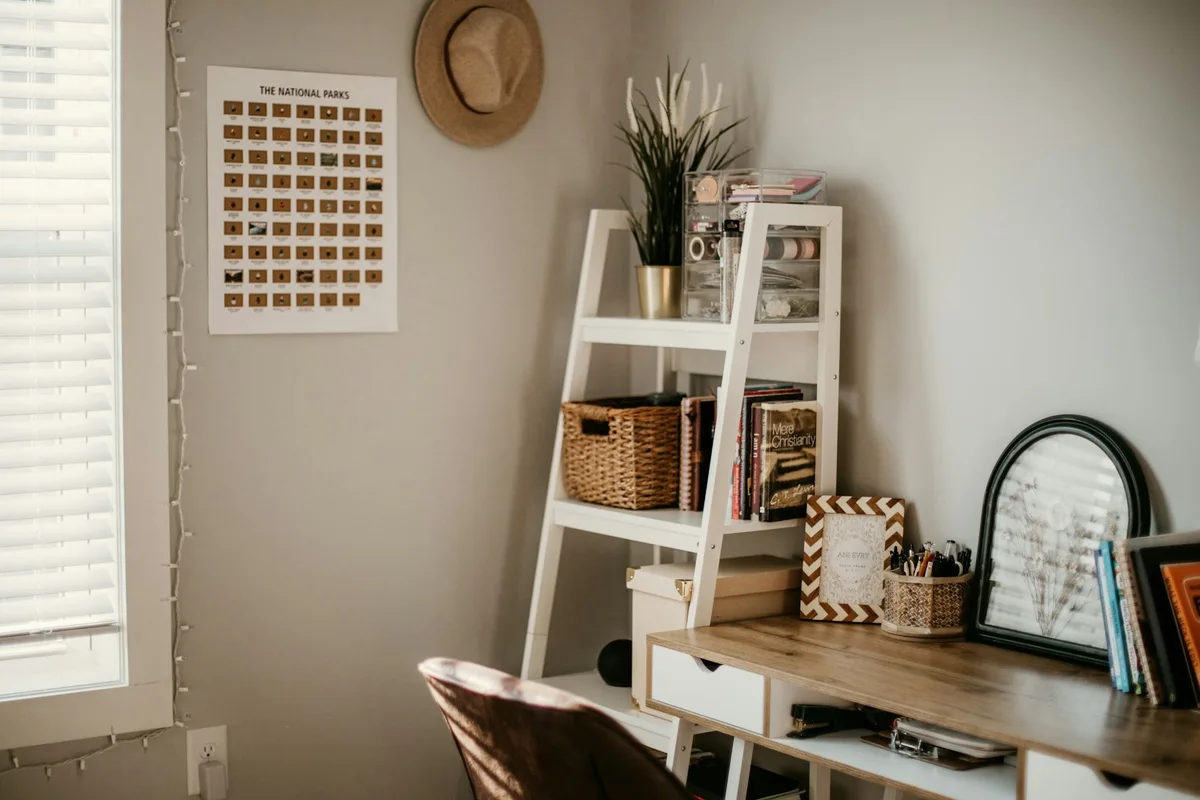
A room-by-room downsizing plan for tiny living
Turn a large sorting job into decisions tied to the storage your next home will have.
Read the guide
Start a minimalist life that fits your real needs
A practical first-month plan for reducing household friction, choosing what to keep, and avoiding expensive replacement mistakes.
Read the guide
Simple living and wellbeing: a realistic personal experiment
Explore what makes daily life easier without treating decluttering, mindfulness, or a smaller home as a cure for distress.
Read the guide
Build a slower schedule without dropping your responsibilities
A time audit, commitment comparison, and original reflection prompts for creating room around the parts of life you value.
Read the guide
Downshifting work: compare options before changing your income
A grounded worksheet for evaluating hours, flexibility, benefits, commuting, and the real costs of a career change.
Read the guide
A simpler money plan for a small home
Organize bills, irregular expenses, buying decisions, and emergency savings without assuming tiny living guarantees financial freedom.
Read the guide
Choose a decluttering method: four boxes, KonMari, 90/90, or 20/20
Compare common approaches, apply flexible decision rules, and protect essentials that would be costly or difficult to replace.
Read the guide
Declutter a small home room by room
An orderly route through kitchens, books, entryways, bathrooms, makeup, and garage storage with realistic limits and safe exits.
Read the guide
Organize paperwork and digital records without losing essentials
A secure sorting system, retention worksheet, and review process for household documents in a small space.
Read the guide
Downsize and move with a clear plan
A measured, consent-based approach for moving into a smaller home, including later-life moves and shared family decisions.
Read the guide
Build a useful capsule wardrobe and buy clothes more slowly
Choose clothes around climate, laundry, comfort, work, and personal style instead of a rigid item count or expensive replacement spree.
Read the guide
Simple daily, evening, and movement routines
Build flexible routines around existing activities, with a short version for difficult days and room for changing schedules.
Read the guide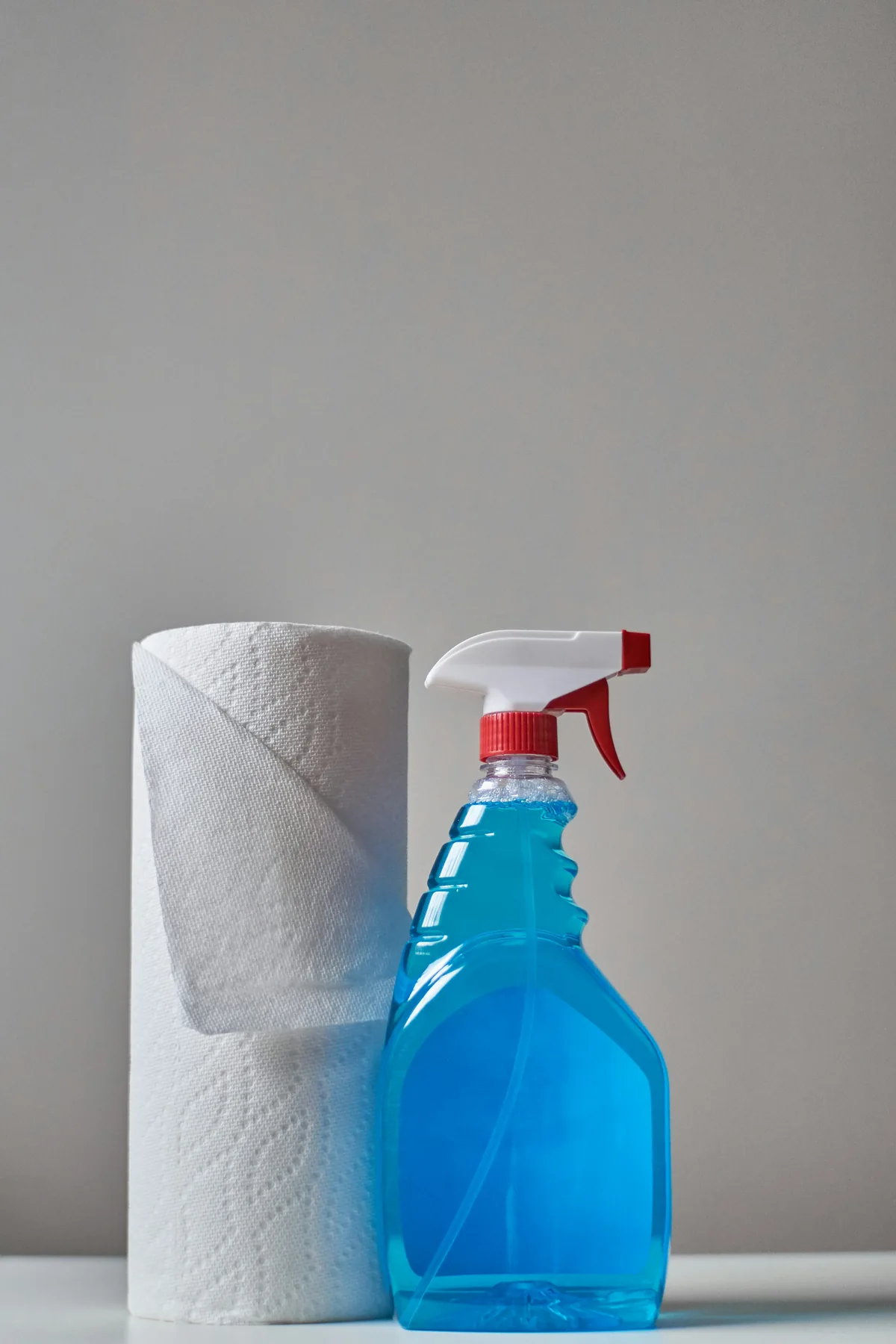
A practical cleaning routine for a small home
Choose a small set of appropriate supplies, separate tidying from cleaning, and plan tasks without unsafe homemade mixtures.
Read the guide
Travel with less while keeping what you need
A packing worksheet based on destination, laundry, accessibility, documents, and current airline requirements.
Read the guide
Choose thoughtful gifts that fit a smaller home
A recipient-first gift worksheet, flexible want-need-wear-read ideas, and ways to give help without creating work.
Read the guide
Date intentionally without making relationships a decluttering project
Clarify preferences, plan accessible dates, discuss small-home living honestly, and recognize pressure around money or boundaries.
Read the guide
Use the internet deliberately, plus a thoughtful minimalism watchlist
Reduce avoidable interruptions while preserving work, access, connection, and security; compare three officially verified films and series.
Read the guide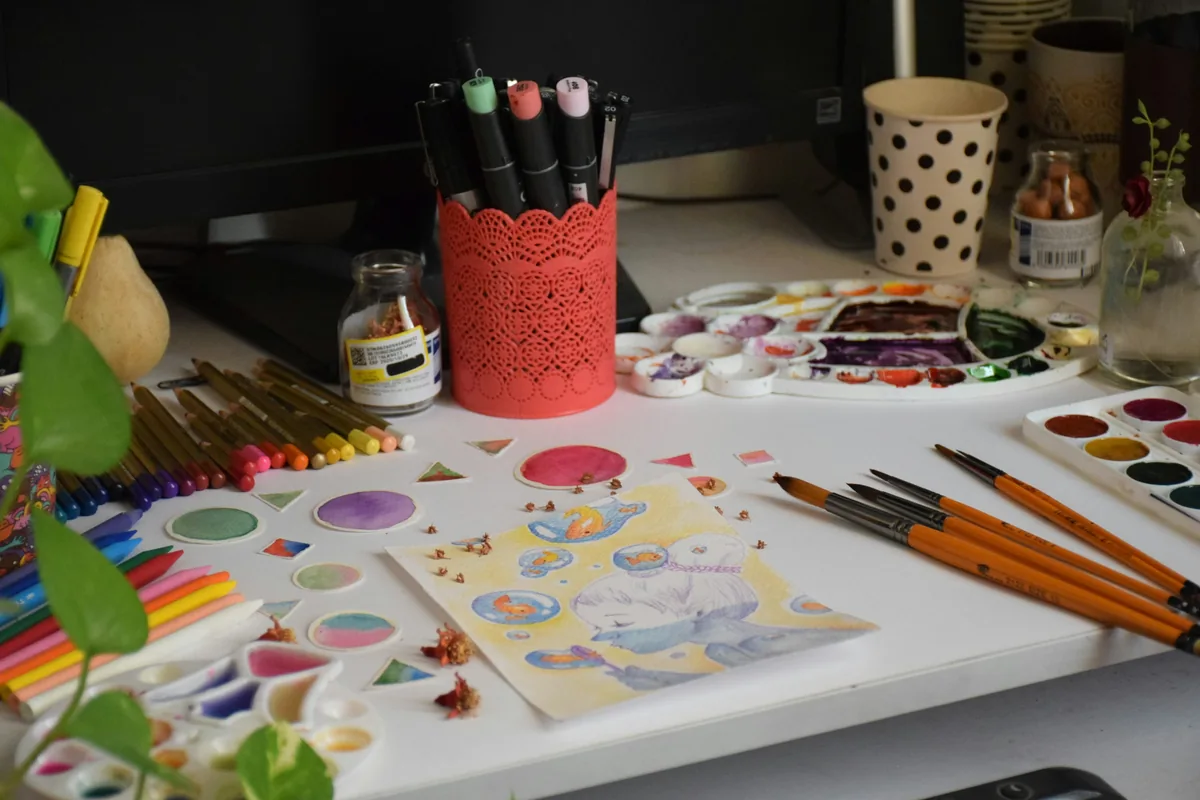
Choose hobbies that work in a small home
Compare space, setup, noise, ongoing cost, and project storage before buying supplies for a new pastime.
Read the guide
Cook more deliberately in a small kitchen
A practical meal-planning and storage guide inspired by slow food, with options for limited time, equipment, and food access.
Read the guide
Types of minimalism: find an approach that fits your life
Compare practical, environmental, financial, visual and digital approaches, then build a personal experiment around your actual needs.
Read the guide
Slow living books: read with a purpose and try one idea
Choose a book for your actual question about pace, attention or commitments, then turn the reading into one manageable experiment.
Read the guide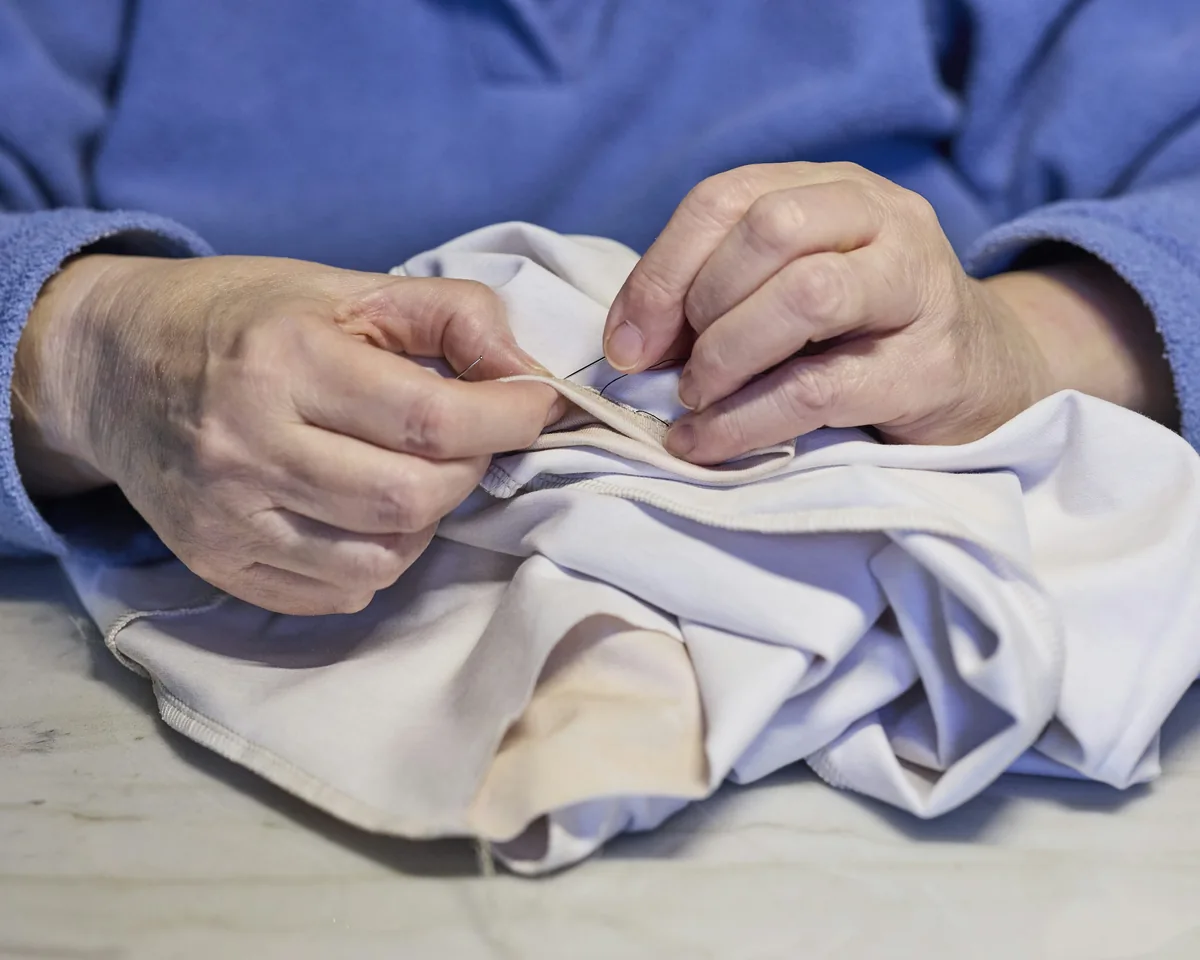
Slow fashion: buy less, use well and repair deliberately
Build clothing decisions around real wear, care, repair and suitable secondhand routes.
Read the guide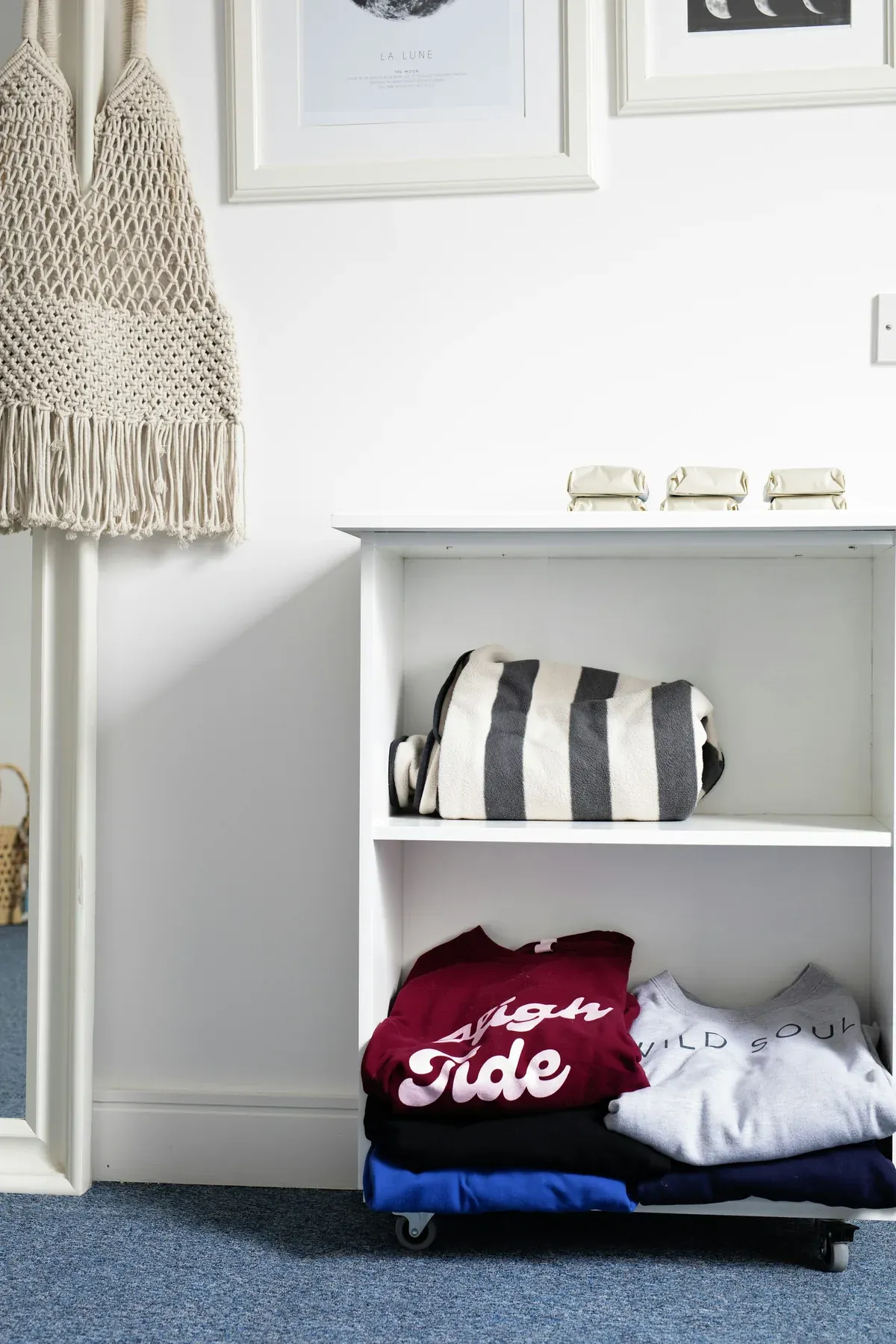
A minimalist wardrobe that works for your actual week
Plan clothing around activities, weather and laundry, then test a manageable rotation before shopping.
Read the guide
A simple exercise routine without unnecessary equipment
Plan suitable movement around your circumstances and current activity guidance rather than a complicated shopping list.
Read the guide
A simple night routine for a small home
Finish a modest household reset and protect the conditions for sleep without an elaborate checklist.
Read the guide
A minimalist daily routine that fits your responsibilities
Build a small set of useful anchors around work, care, meals and rest, with room for interruptions.
Read the guide
Want, need, wear, read: a thoughtful gift framework
Choose gifts around the recipient’s real wishes, needs and habits without forcing four purchases.
Read the guide
Gifts for minimalists and people who prefer less clutter
Compare requested items, consumables, experiences and useful help with the recipient’s preferences and constraints.
Read the guide
Minimalism documentaries and shows: watch with a practical question
Find official title pages and compare the ideas with your own home, budget and responsibilities.
Read the guide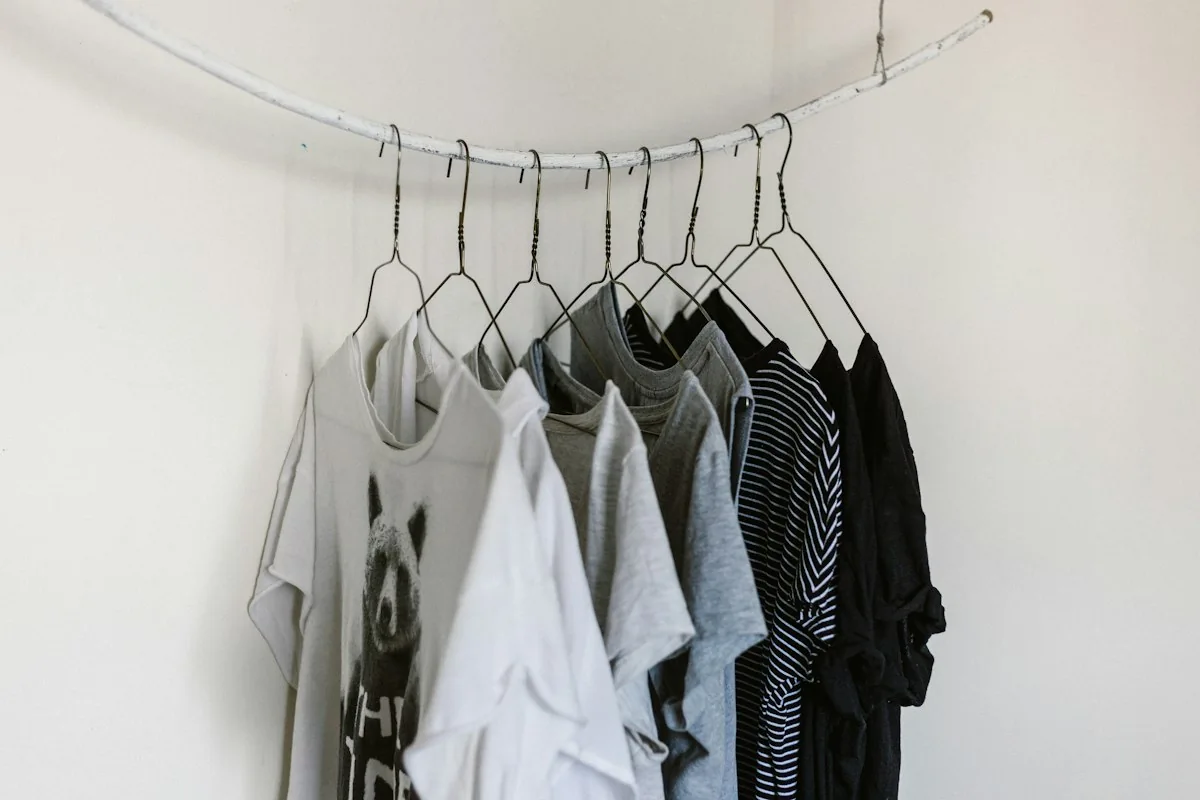
Decluttering questions for difficult decisions
Assess use, condition, replacement and meaning, then finish a suitable outgoing route.
Read the guide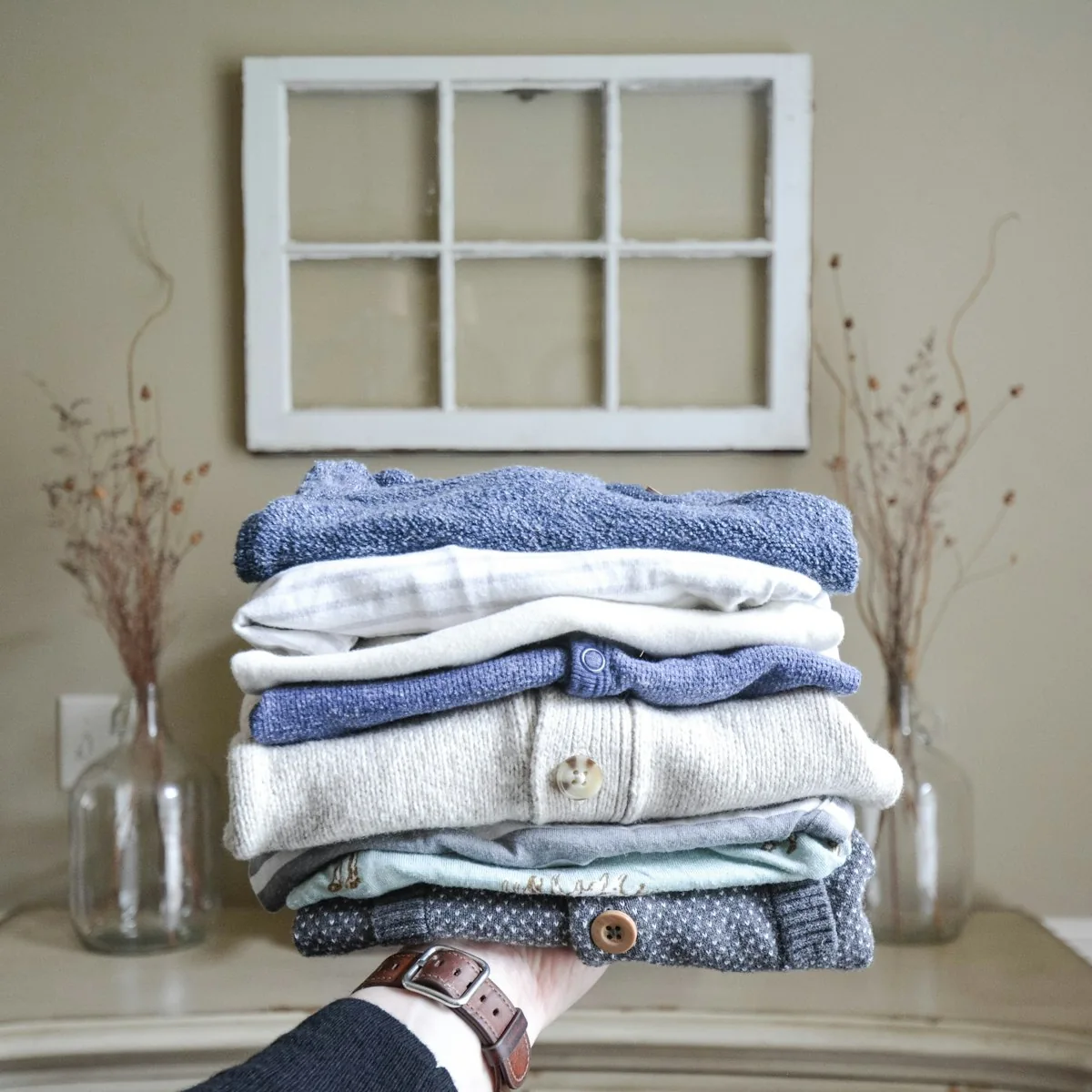
The KonMari Method: categories, order and practical adaptation
Understand Marie Kondo’s stated method and use a manageable category process in your own home.
Read the guide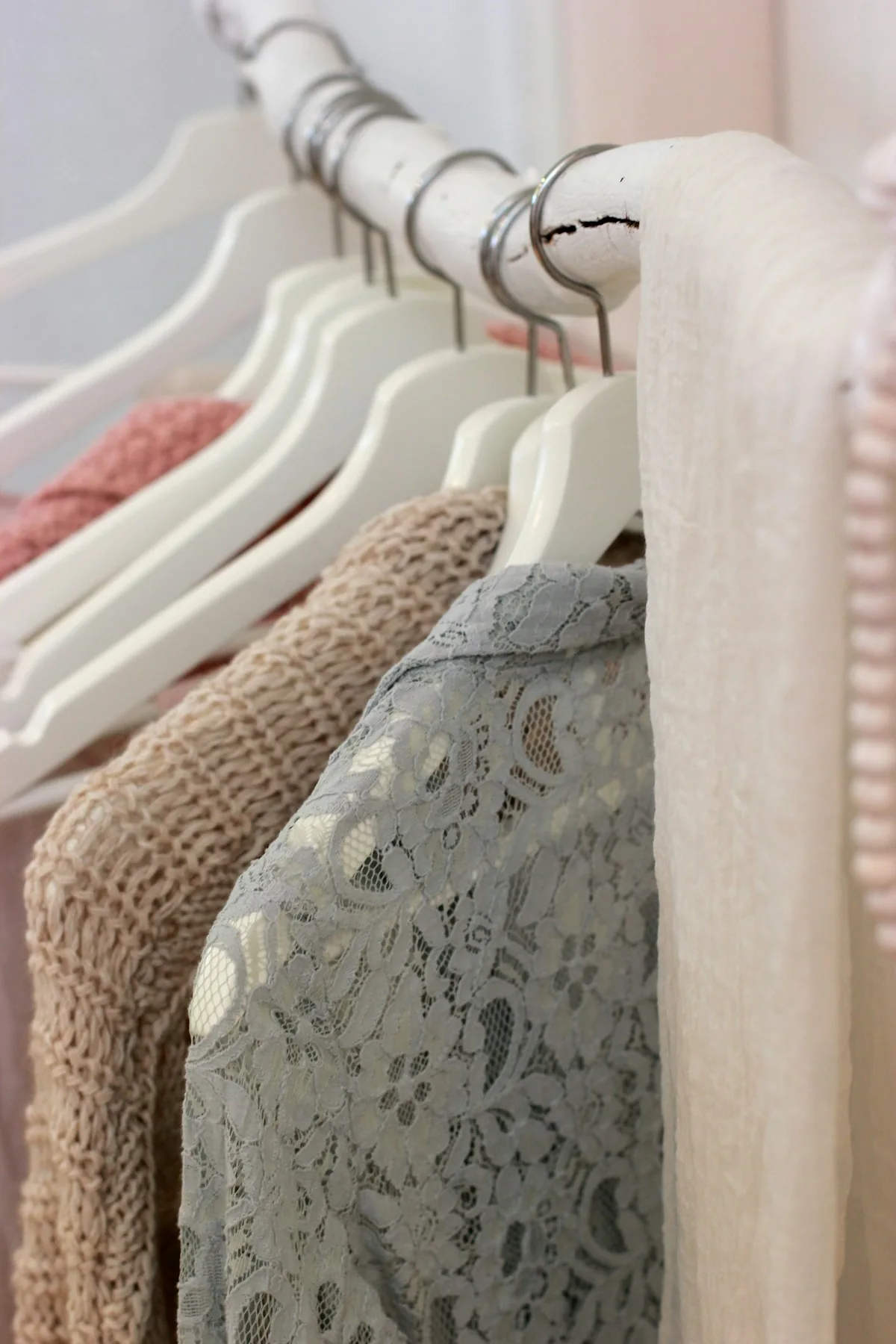
The 90/90 decluttering rule: useful prompt, important exceptions
Use recent and expected use to review ordinary possessions while protecting seasonal and essential needs.
Read the guide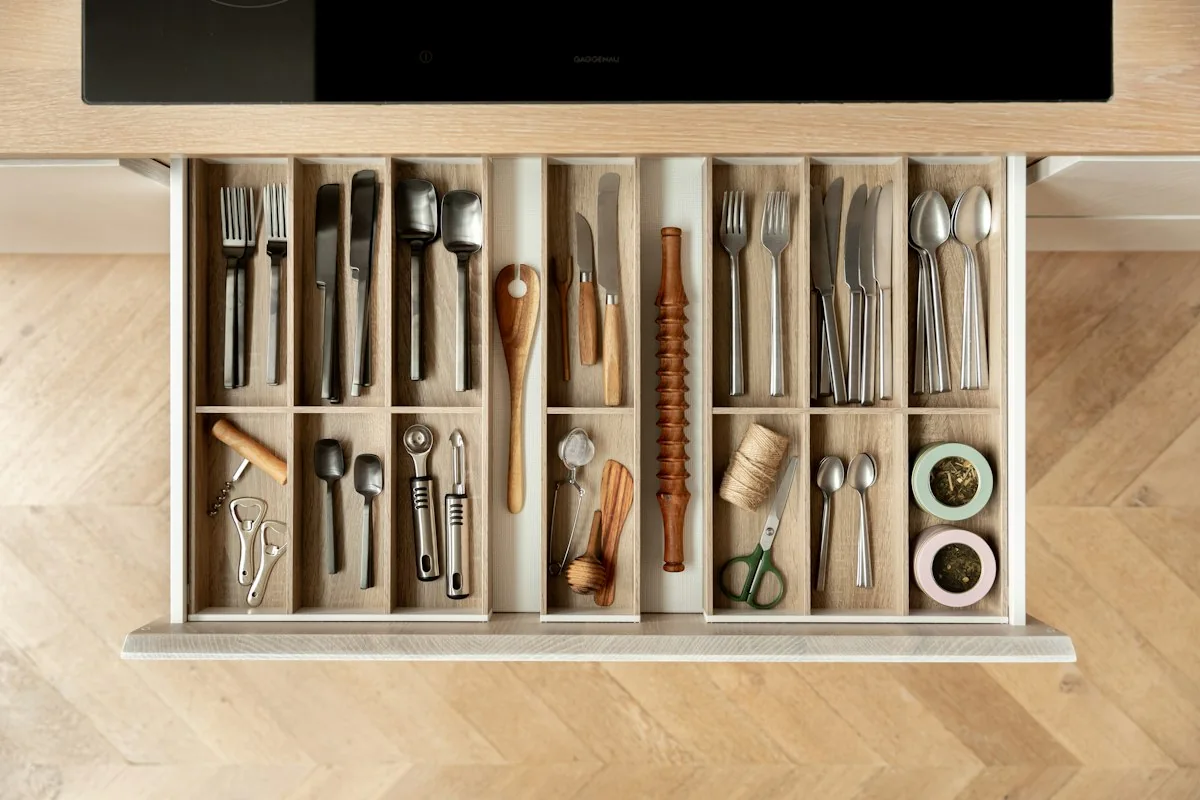
The 20/20 decluttering rule: test the replacement assumption
Review low-cost just-in-case objects without applying a casual rule to essential, inaccessible or difficult-to-replace items.
Read the guide
The four-box decluttering method
Use clear destinations for keep, relocate, release and disposal, then complete each route.
Read the guide
How to declutter books without losing the ones you value
Compare current use, meaning and access, then choose practical shelves and suitable outgoing routes.
Read the guide
How to declutter shoes: fit, use and a workable rotation
Assess condition, actual activities and storage while keeping the footwear your climate and daily life require.
Read the guide
How to declutter makeup and cosmetics
Review condition, opening dates, actual use and appropriate storage without inventing a universal expiry chart.
Read the guide
How to declutter a garage: access, tools and hazardous materials
Create a usable work and storage layout while separating chemicals, essential tools and unsuitable outgoing items.
Read the guide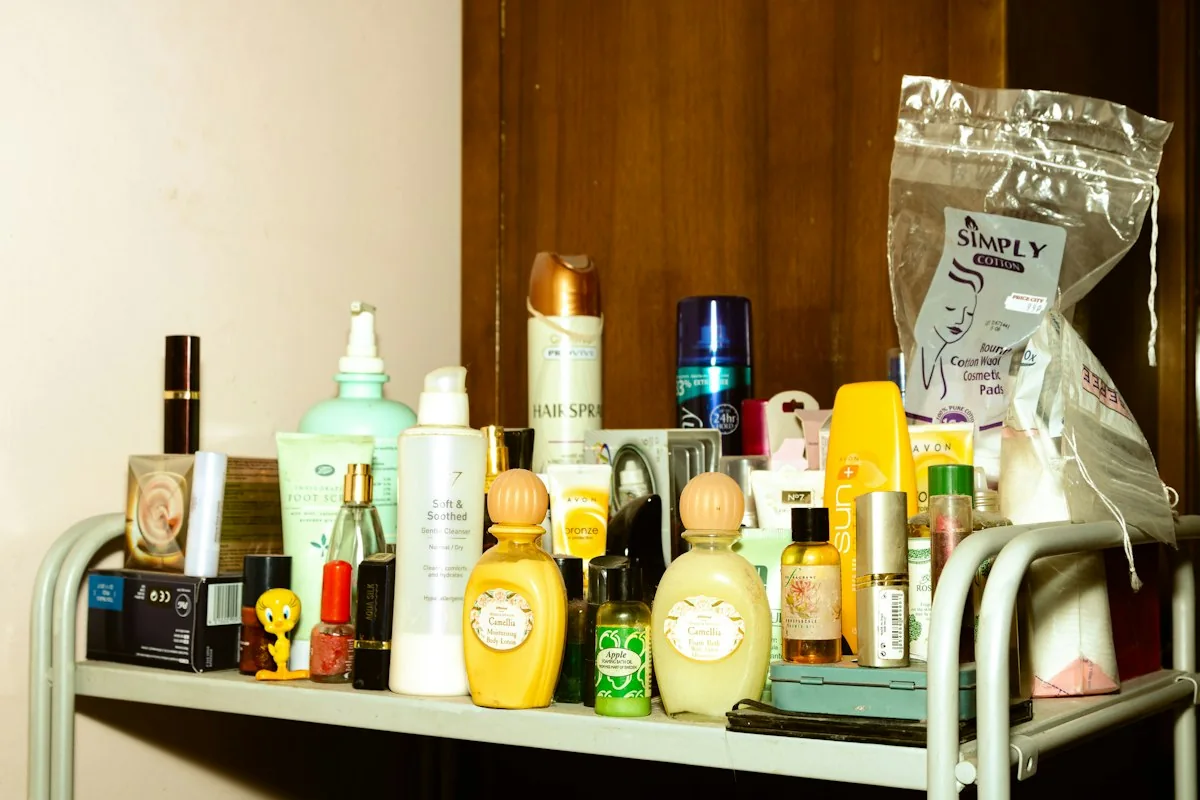
How to declutter a bathroom: toiletries, medicine and daily access
Keep suitable daily products accessible and use appropriate routes for expired or unused medicines.
Read the guide
Downsizing in retirement: a practical, respectful plan
Coordinate belongings, access, documents and help around the person moving and the home they will use.
Read the guide
What is minimalist living?
Use possessions, space and commitments deliberately without a fixed item count or an expensive aesthetic.
Read the guide
How to become a minimalist without a drastic clear-out
Choose a purpose, work through a manageable category and build a repeatable buying and storage routine.
Read the guide
Why minimalism appeals—and what to question
Explore the appeal of less upkeep, clearer priorities and lower consumption without promising universal benefits.
Read the guide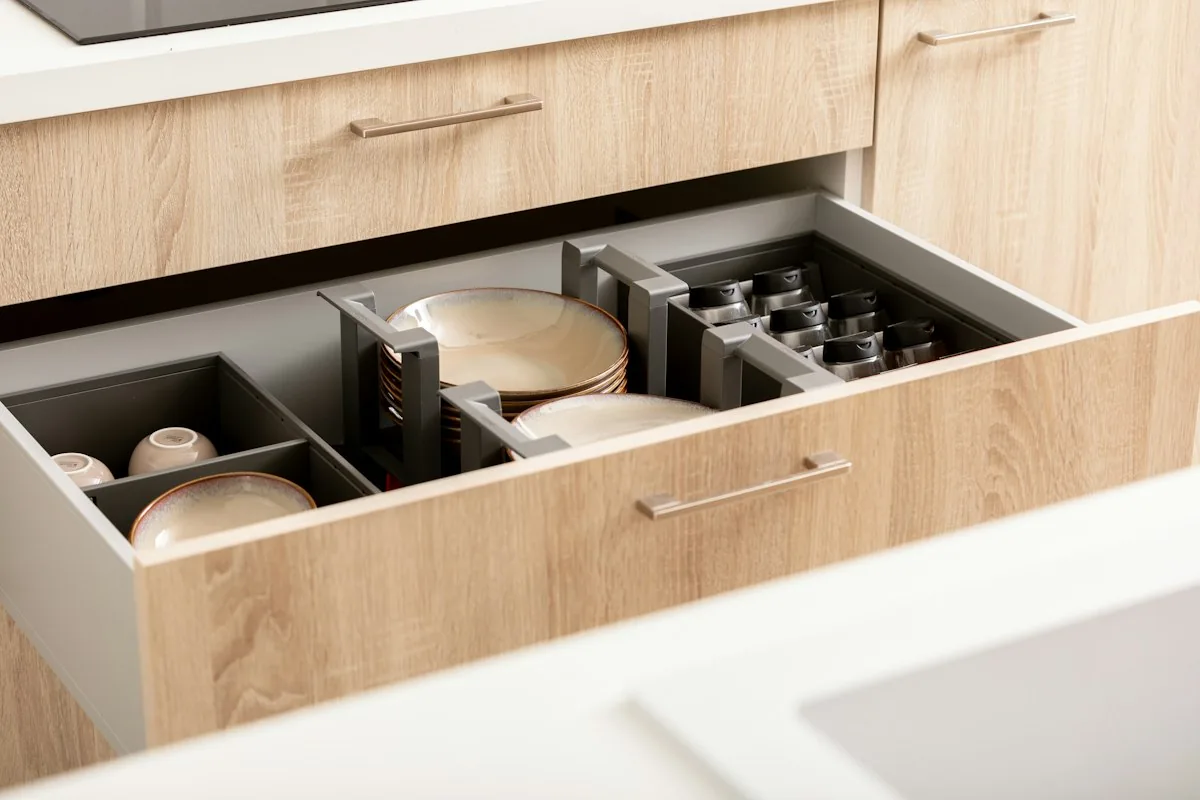
Practical minimalist rules for your household
Set flexible limits for storage, purchases and shared space without making essentials harder to use.
Read the guide
How long does it take to become a minimalist?
Estimate the work from your actual categories, session length and removal routes instead of a universal deadline.
Read the guide
Why simple living can feel hard
Identify time, money, care and household constraints before assuming the problem is a lack of discipline.
Read the guide
What makes you happy? A practical reflection guide
Observe what supports ordinary satisfaction, connection and enjoyment without reducing happiness to possessions.
Read the guide
Are minimalists happier? What the evidence can and cannot show
Read well-being findings carefully, then test whether a specific change improves your own daily life.
Read the guide
Living in the moment: small practices for ordinary days
Create brief opportunities to notice an activity, reduce avoidable interruption and return to a chosen task.
Read the guide
Reducing everyday stress: find the task you can change
Map recurring pressure, choose a practical adjustment and keep appropriate support in view.
Read the guide
Slow living tips that fit a busy life
Protect a few useful pauses and routines without requiring a complete change of work or circumstances.
Read the guide
Slow living quotes and reflection prompts
Read a verified literary quote and original prompts, then turn one idea into a practical household choice.
Read the guide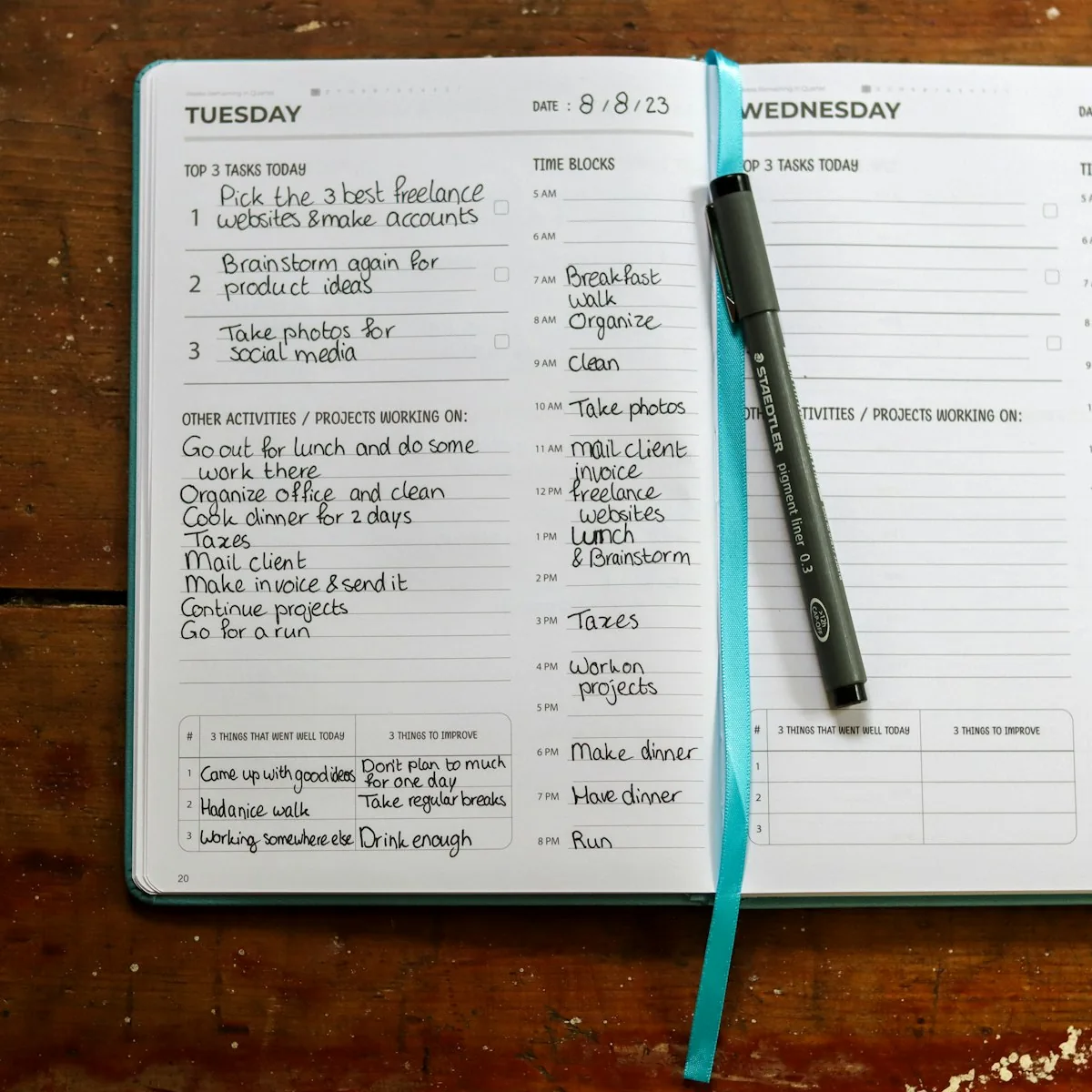
How to simplify a busy schedule
Map fixed responsibilities, flexible tasks and hidden transitions before removing or rearranging commitments.
Read the guide
Jobs for a slower lifestyle: compare the actual working conditions
Assess schedule control, income, benefits, travel and workload before choosing an occupation.
Read the guide
What jobs do minimalists have?
Choose work around skills, income needs and the life you want to support rather than a prescribed minimalist occupation.
Read the guide